Giants, the mighty beings of the Gigantomachy
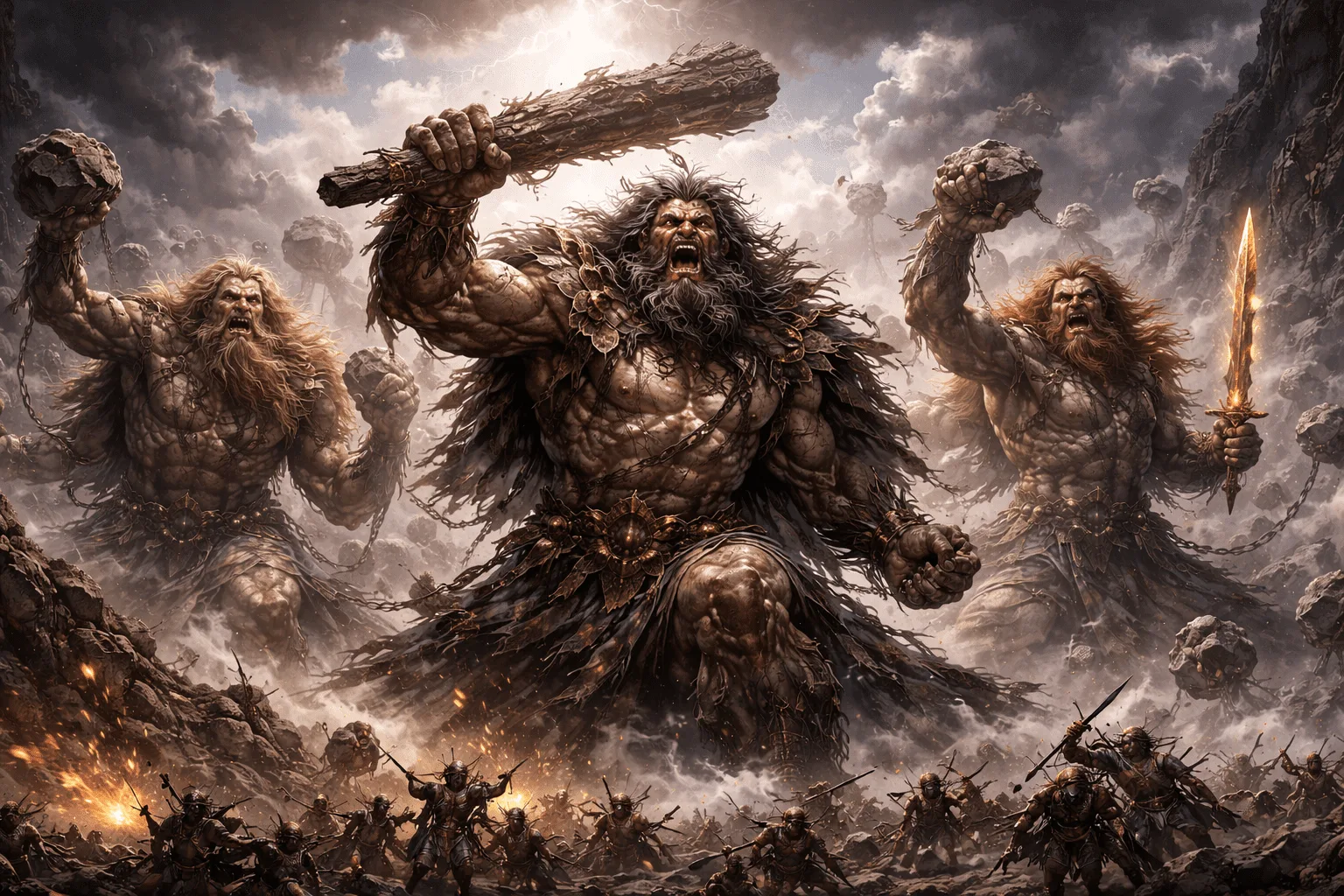
Giants: the mighty beings of Giant Battle are one of the most impressive themes of Greek mythology.

The mythical monsters of Greek mythology Incarnate fear, chaos and unknown. Creatures such as Medusa, the Chimera and Minotaur are not mere opponents of heroes, but symbolic forms expressing the threat of disorder and the need to restore balance. Monsters often guard sacred places or punish human hubris, acting as trials for heroes. The ancient secretariat and angiography captured these creatures with intense symbolism, turning them into timeless symbols of myth.
Giants: the mighty beings of Giant Battle are one of the most impressive themes of Greek mythology.
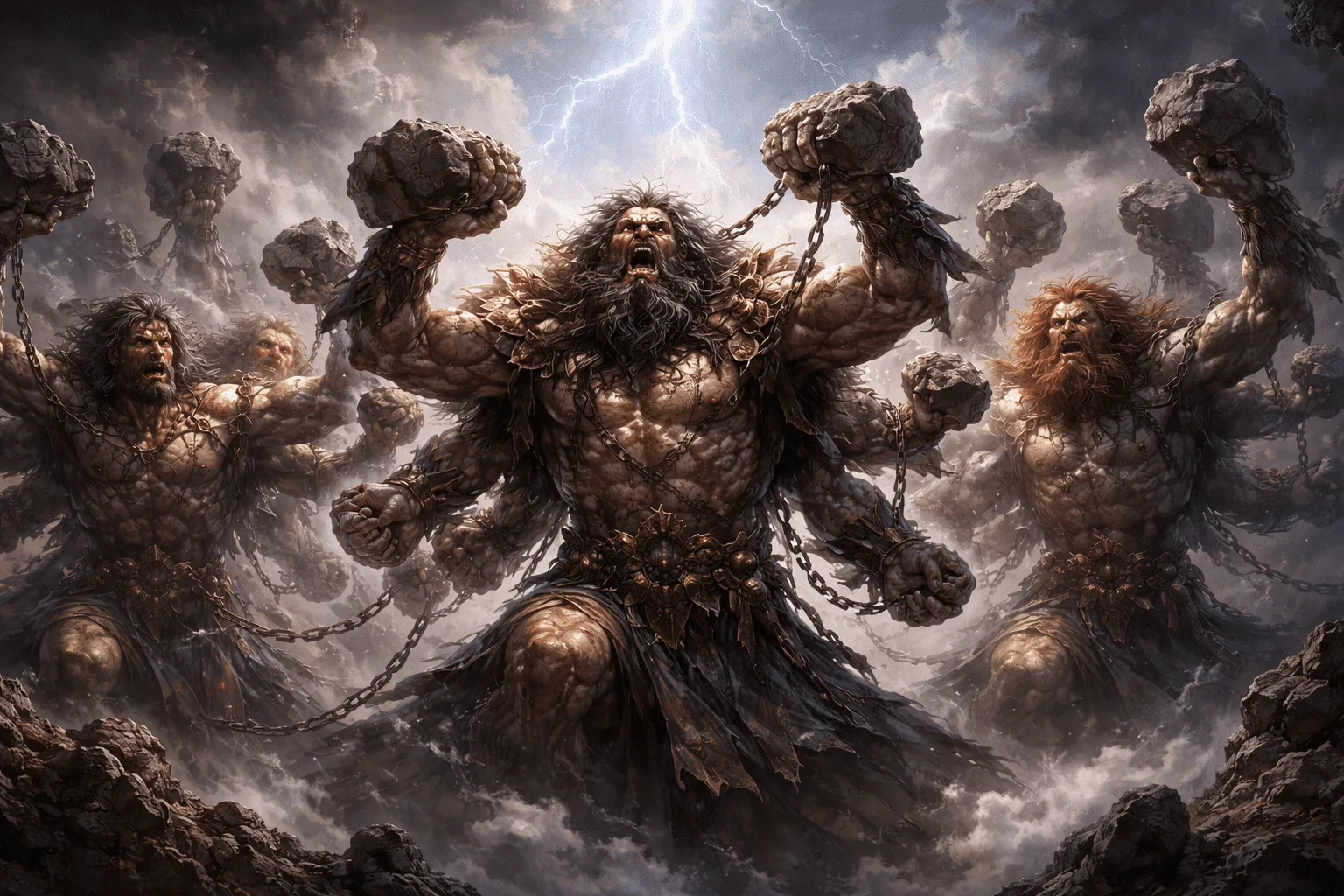
The Hundred Hands of Greek mythology: origin, power, role in Titan fighting and symbolism in the secular order.
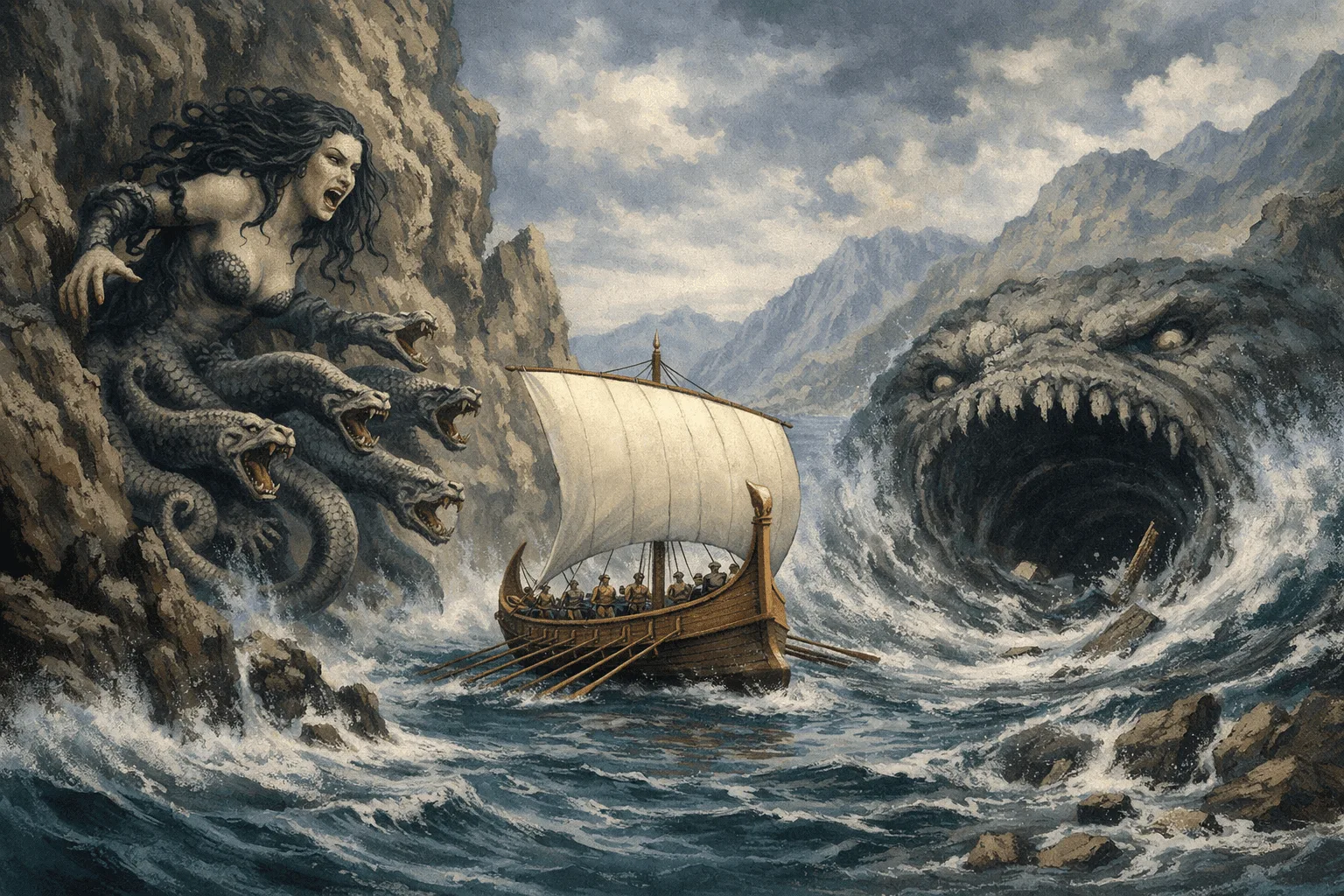
Discover the myth of Scylla and Harybdi, the terrible sea monsters symbolizing deadly dangers and difficult dilemmas.
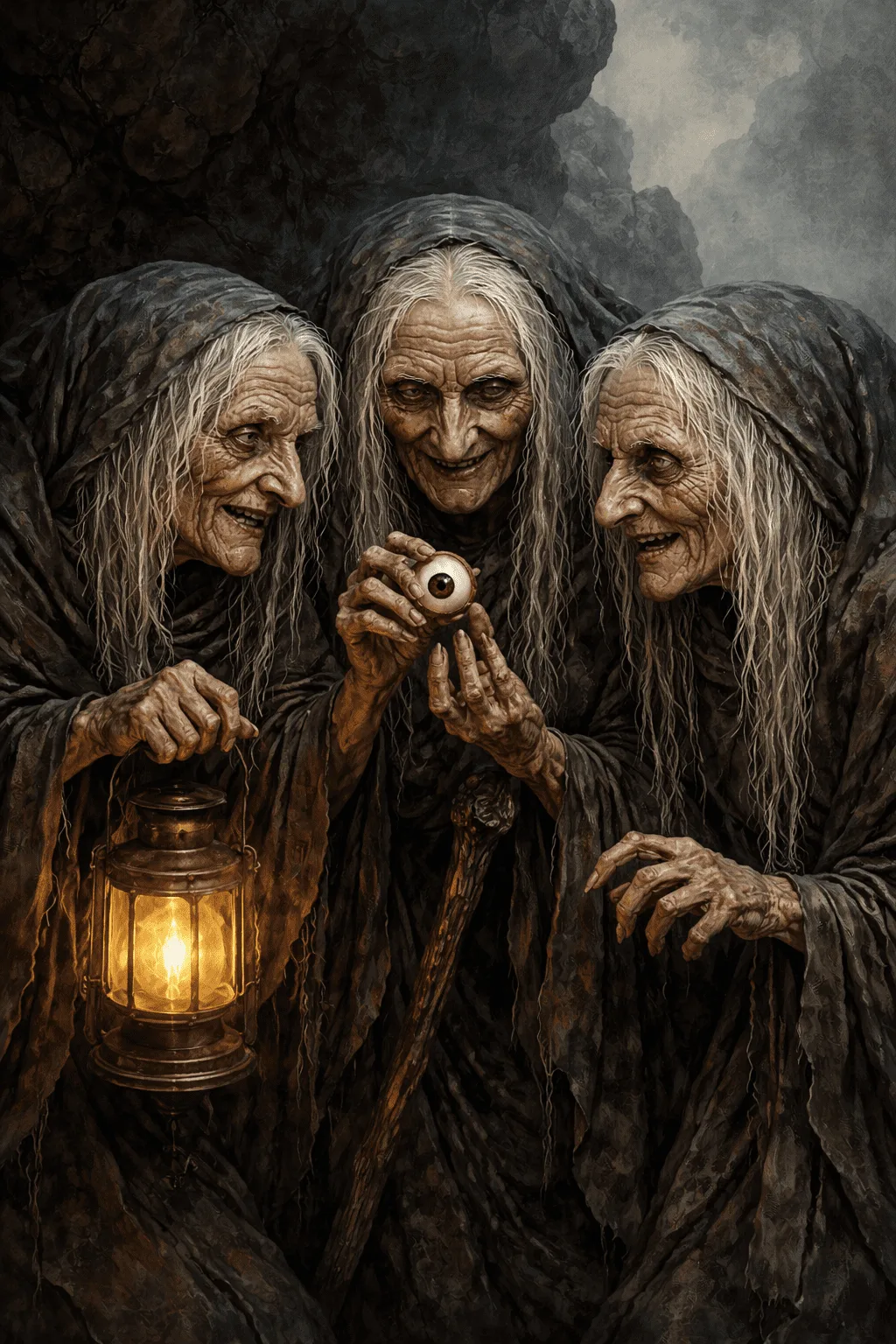
The Scriptures in Greek Mythology The Grey Sisters of Greek Mythology The Elders are a trinity of brothers in Greek mythology and are one of the most famous mythical triplets, next to figures such as the Mermaids, appearing in the accounts of Ancient Greece. The reputation of the Elders, however, is mainly due to their participation in the adventures of ... More
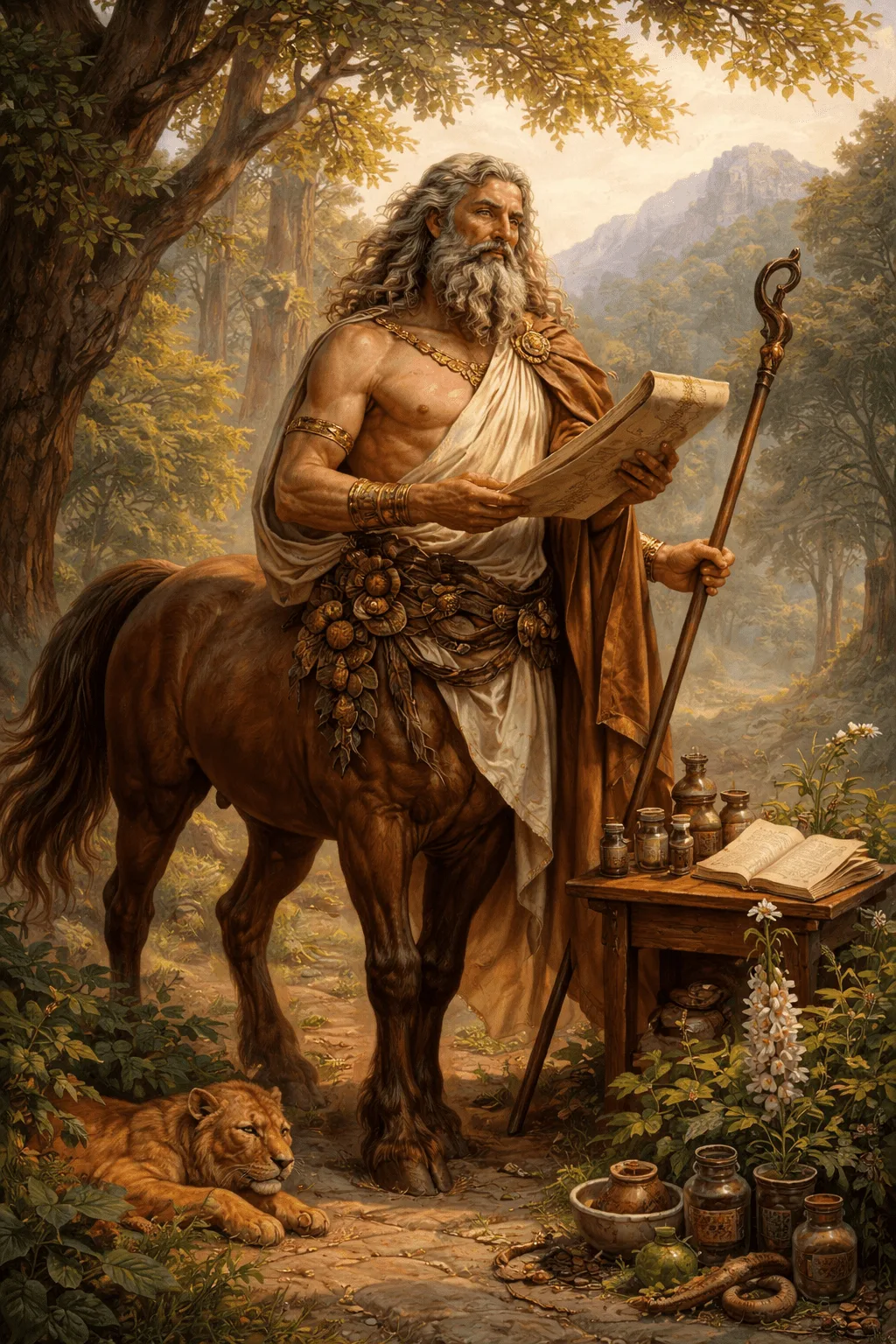
Chiron: The wisest Centaur of Greek Mythology Among the numerous forms of ancient Greek mythology, centaur Chiron stands out as one of the most respected and dear personalities. Although it belonged to the genus Centauri, the mythical creatures with a body of half a man and half a horse, it radically differed from the rest of its likes. While most... More
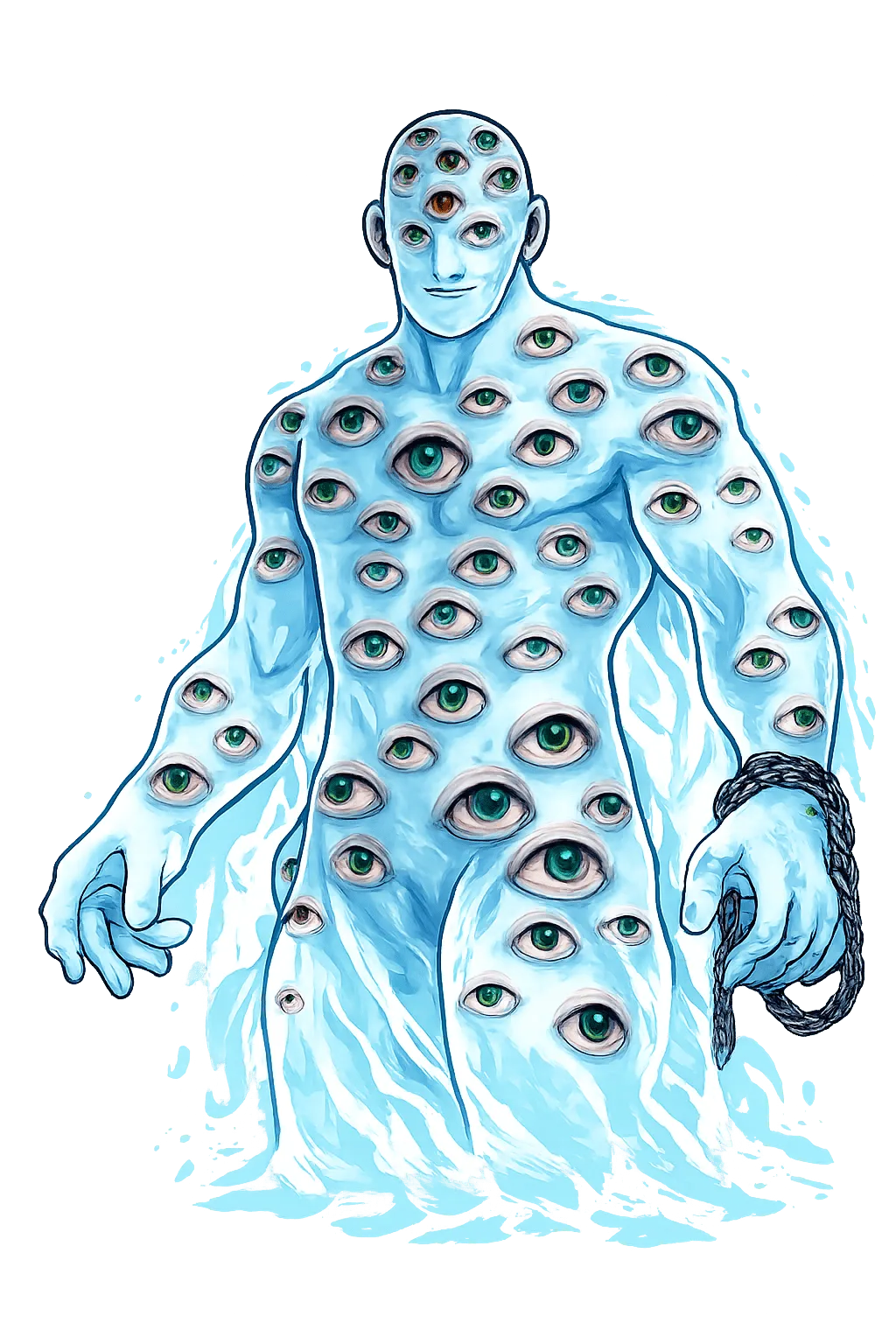
Slow (Panopt) The giant with a hundred eyes in Greek mythology Argos Panoptis is one of the most iconic forms of ancient Greek mythology. Known as the giant with the hundred eyes, Argos personifies absolute alertness, uninterrupted surveillance, and ubiquitous present knowledge. His name, Panoptis (he who sees the ... More
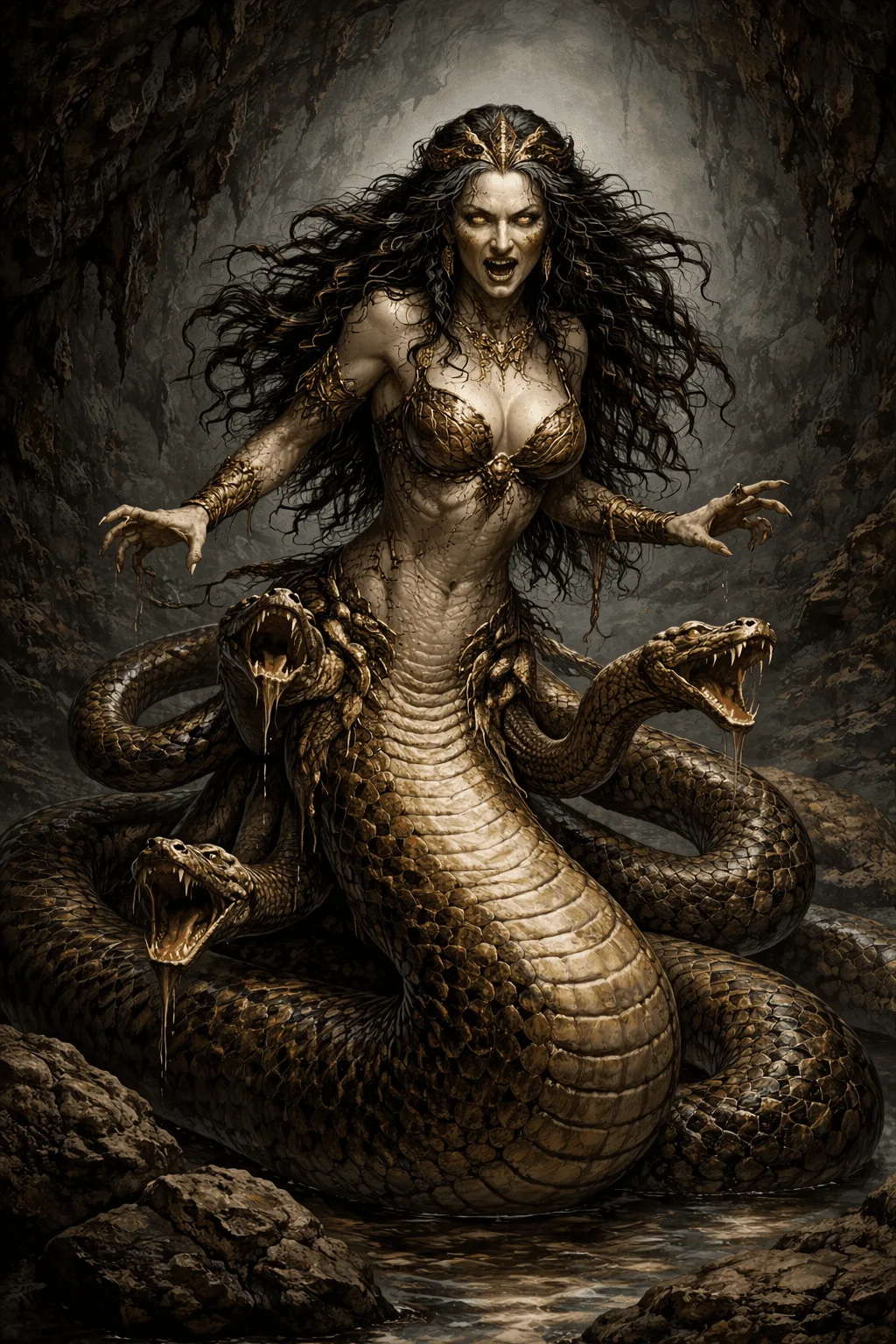
Meet Echidna, the mother of monsters in Greek mythology, its form, its origin and its awesome children.
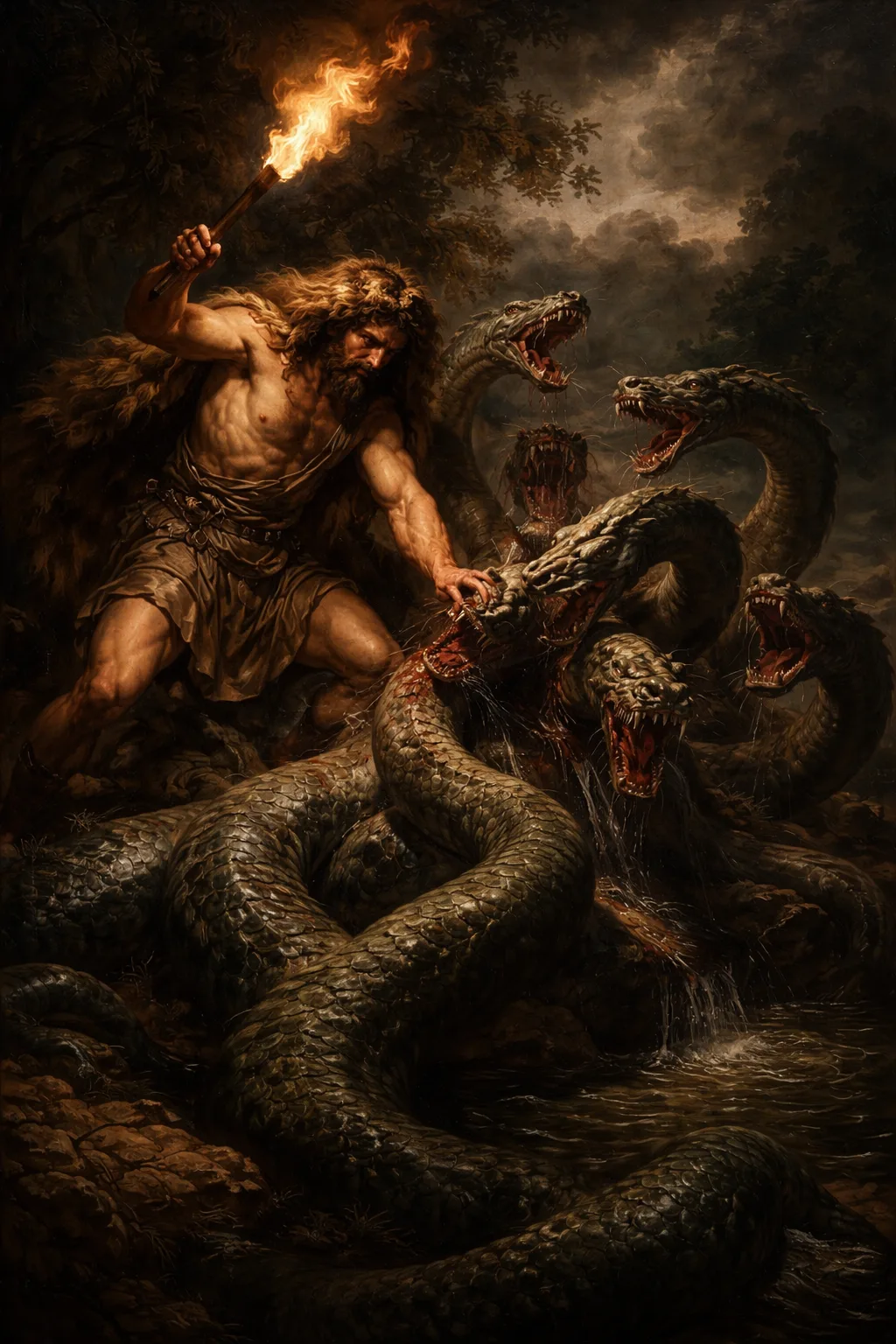
Lernaia Hydra is one of the most famous and awesome monsters of Greek mythology. Known for her many heads and her terrifying ability to regenerate what she lost, Hydra became famous as the second of Hercules' twelve feats. Its history is one of the most important myths of ancient Greece ... More
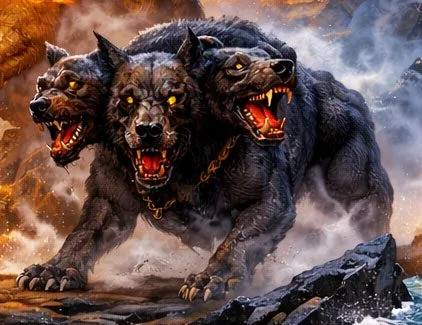
Discover Cerberus, Hades' three-headed guardian in Greek mythology, his role, myths and symbols.
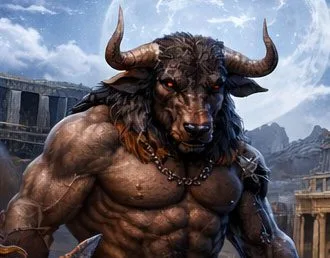
Discover the myth of Minotaur, his birth, Labyrinth, Theseus and his symbolism in Greek mythology.