
Start the trip to Greek Mythology
Mythoi.org is a complete encyclopedia of Greek mythology. Includes gods, titans, heroes, mythical creatures, cosmogonia, ancient cults, mythology stories and historical sources which shaped the mythological world of Ancient Greeks.
The information is based on ancient sources such as Hesiod, Homer, Apollodorus and other writers of antiquity. The aim is to provide reliable and understandable content for students, students and any interested reader.
Greek mythology, with all these gods, heroes and epic stories, still affects the world around us far beyond the years of antiquity. Perhaps the most impressive part of it is the effect it has on our language. From everyday words to top scientific texts, myths and phrases from Greek mythology they're in modern communication for good. And the nice thing is, these expressions don't just hold the mystery and magic of old stories. — They also carry timeless truths, lessons that speak to us even today.
Greek mythology isn’t just a collection of old myths. It’s a world filled with gods, heroes, and strange creatures. And these stories have been passed down from generation to generation, traveling through the centuries and captivating young and old alike. Zeus, Athena, Hercules, Odysseus—they all star in myths that are not only part of Greek tradition but also part of the world’s cultural heritage.
At Mythoi.org, you can lose yourself in the magical world of Greek mythology. Here, you’ll find not only the Olympian gods, as well as stories, tales, mythical monsters, and heroes who left their mark on antiquity. Each myth is designed to be simple, easy to understand, and relatable—without difficult words or unnecessary details. Want to learn about Hercules, Troy, Perseus, or Theseus? You’ll find everything you need right here.
Myths arose from people’s need to explain the world. Before science existed, the ancient Greeks created gods and monsters to understand natural phenomena and to speak about love, war, life, and death. The gods had human emotions. They loved, got angry, felt jealous, punished, and helped—making the stories more vivid and relatable to us.
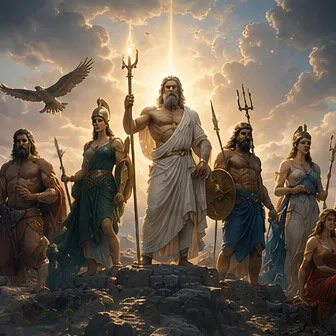
At the head of the gods was Zeus, the king of Olympus. Beside him stood Hera, goddess of marriage, Athena, goddess of wisdom; Poseidon, ruler of the sea; Hades, lord of the underworld; and Apollo, god of light, music, and prophecy. Each god had his own personality, his own symbols, and myths that have remained alive to this day.
But mythology isn’t just about gods. Heroes also play an important role. Hercules became a legend of strength through his twelve labors. Theseus found the Minotaur in the labyrinth. Perseus defeated Medusa, while Achilles stood out for his bravery as well as his tragic fate. These stories are not simply adventures—they speak of courage, weaknesses, choices, and passions.
And what about the creatures of mythology? They’re incredible, too. Cerberus guarded the gates of Hades, the Sirens bewitched sailors, and the Chimera, the Sphinx, and the Centaurs inspired fear and awe. Even today, these creatures inspire books, movies, and TV shows all over the world.
But what makes myths so beloved? Behind every story lies a moral, a symbolic interpretation, an attempt to understand human nature. Icarus speaks of excessive ambition and its consequences. Persephone explains the changing of the seasons. Prometheus illustrates the importance of knowledge and sacrifice.
The influence of Greek mythology doesn’t stop there. Many words, symbols, and expressions we use today have their roots in these myths. The entire worlds of art, literature, and cinema draw inspiration from the gods and heroes of antiquity. And stories are always evolving. They take on new forms through the imagination of creators around the world.
Mythoi.org aims to make mythology accessible and enjoyable for everyone. Every visitor—whether a student, parent, teacher, or simply a lover of myths—will find what they’re looking for. The site is organized in a simple, user-friendly way that makes exploring the world of gods and heroes an exciting adventure.
Greek mythology is a true treasure. Through these myths, we see how the ancients thought, but also how human emotions and values never change. The need for power, wisdom, love, justice, and adventure is the same then as it is now.
If you want to embark on a journey into the world of ancient gods, legendary heroes, and unforgettable myths, this is the place for you. Get ready to discover stories that have endured for thousands of years and continue to live on through imagination, art, and culture. Greek mythology is alive and well, full of wisdom, magic, and adventure.
Gods
Olympian gods
Few ideas have become as deeply ingrained in the Western imagination as these twelve gods who dwelled on the peaks of Olympus. The Olympians—not only did they rule over humans, but they themselves lived with passions, conflicts, loves, and even mistakes. They were not abstract concepts, but deities with very human traits and weaknesses—capable of jealousy, anger, love, and ambition. Greek mythology never sought distant, perfect gods, but rather beings that resemble—sometimes to an extreme degree—humans themselves—simply immortal and all-powerful.
Titans
Titans of Mythology
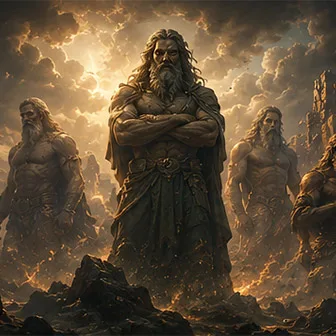
The Titans are the second generation of divine beings in Greek mythology. Children of Uranus and Gaia, they ruled the world before the Olympians took over. Their central figure was Cronus, who overthrew his father to rule. The history of the Titans is filled with battles, fears of losing power, upheavals, and ultimately a great conflict with the Olympians—the famous Titanomachy. Their myths speak of power, succession, and the eternal conflict between generations—a motif that is difficult to overcome.
Deities
Minor Deities
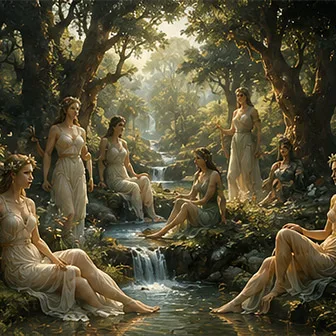
The minor deities in Greek mythology do not simply remain in the shadow of the major gods. They are nymphs, daemons, and local deities who live in nature, are connected to the elements, and become entangled in people’s everyday stories. They do not possess the power of the Olympians—that is true—but they often influence events and destinies in ways that are not always apparent at first glance, yet are decisive. Their stories shed light on the human experience: they speak of fate, inspiration, and the cycles of nature.
Mythical creatures
Mythical monsters
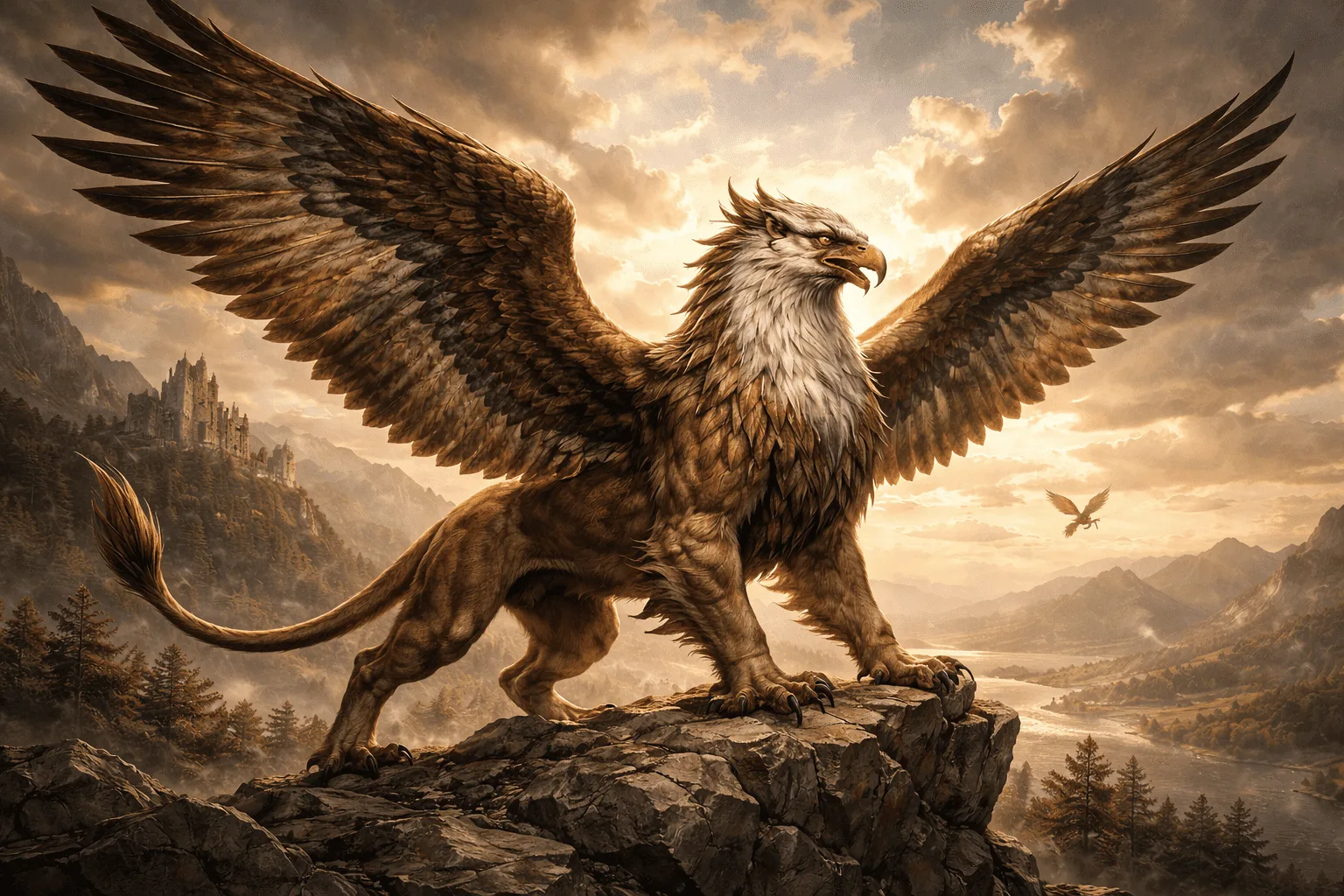
They possess strange, supernatural qualities and extraordinary power. They are often at the center of great mythical tales, testing heroes and gods, but they also serve as symbols—of fear, wisdom, or utter chaos. Through their adventures, we see human struggles and values, such as courage and perseverance. Ultimately, these creatures are much more than mere fictional figures—they are essential components of every mythological story.
Myths
Stories of mythology
The myths of Greek mythology, through stories about gods, heroes, and ordinary people, reveal values, passions, and timeless dilemmas. They are not merely entertainment—they are a way to understand the world and human nature. Myths come to life through imagery and action, passing on knowledge and experience from one generation to the next. That is why, no matter how many years go by, they remain relevant and captivating.
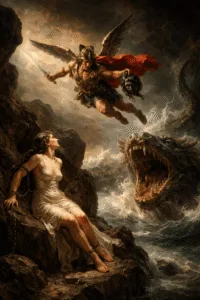 MYTHOLOGICAL STORIES
The myth of Perseus and Andromeda is one of the most famous and touching stories of Greek mythology. It combines heroism with tragedy, divine intervention with
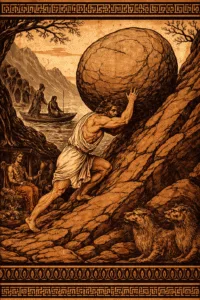 MYTHOLOGICAL STORIES
Discover the myth of Sisyphus, his eternal punishment in Hades, the hubris against the gods and his timeless meaning.
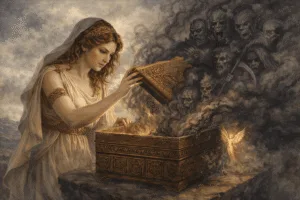 MYTHOLOGICAL STORIES
Discover the myth of Pandora Box: why Zeus created Pandora, what came out of the box, why Hope remained inside and how the ancient myth was converted into
New Articles of mythology
Mythical creatures of Greek mythology