Hippocampus: the sea horses of Greek mythology

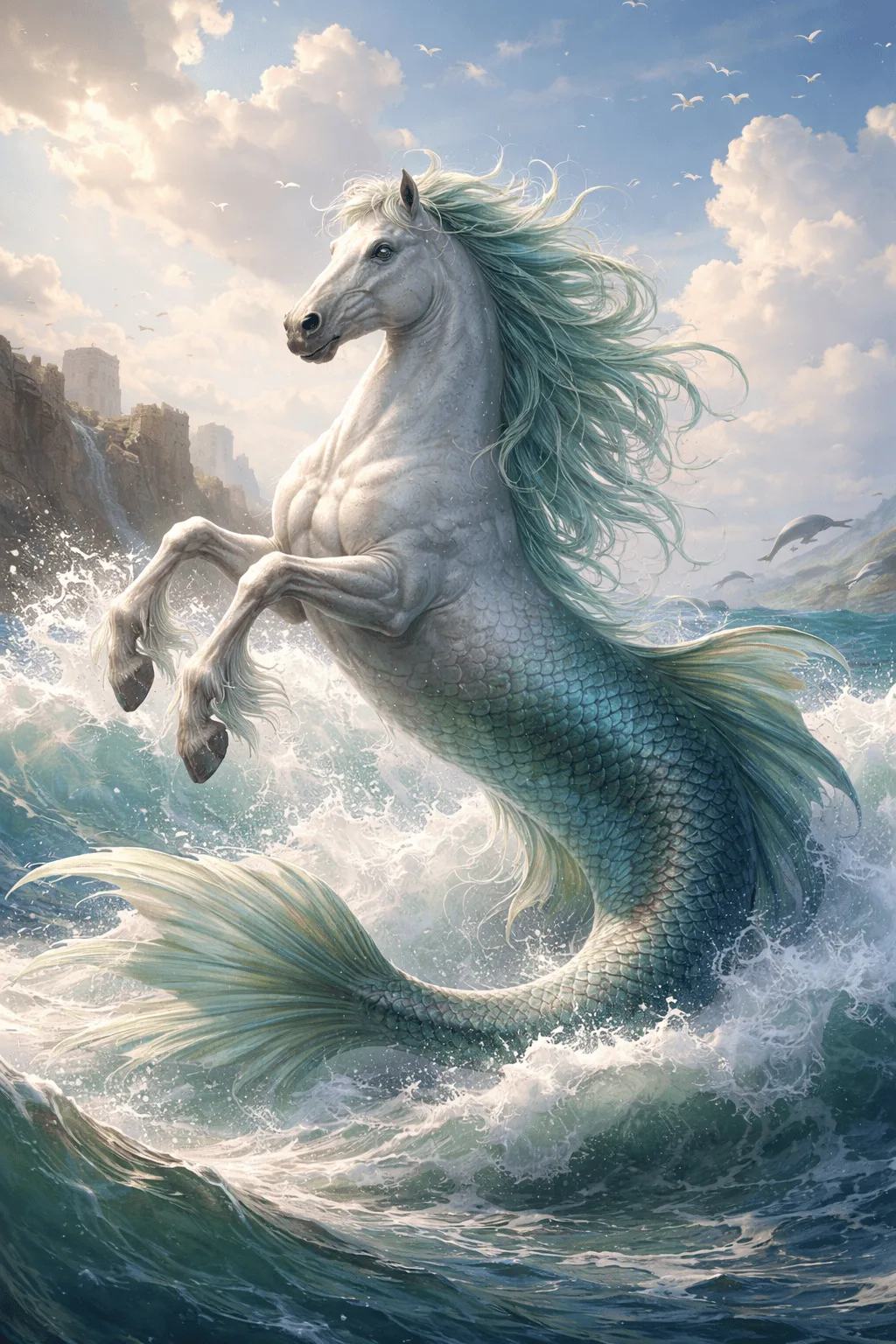
hippokampos – Marine Hybrid Creatures of Greek Mythology

Hippocampi are among the most characteristic marine hybrid creatures of Greek mythology. With a horse body on the front and a fish or dolphin tail on the rear, they embodie the close relationship of the ancient Greeks with the sea and its mythological personification. Their presence is mainly pictorial, but deeply symbolic, connected with strength and ...More

Grubs: the feathered keepers of the treasures

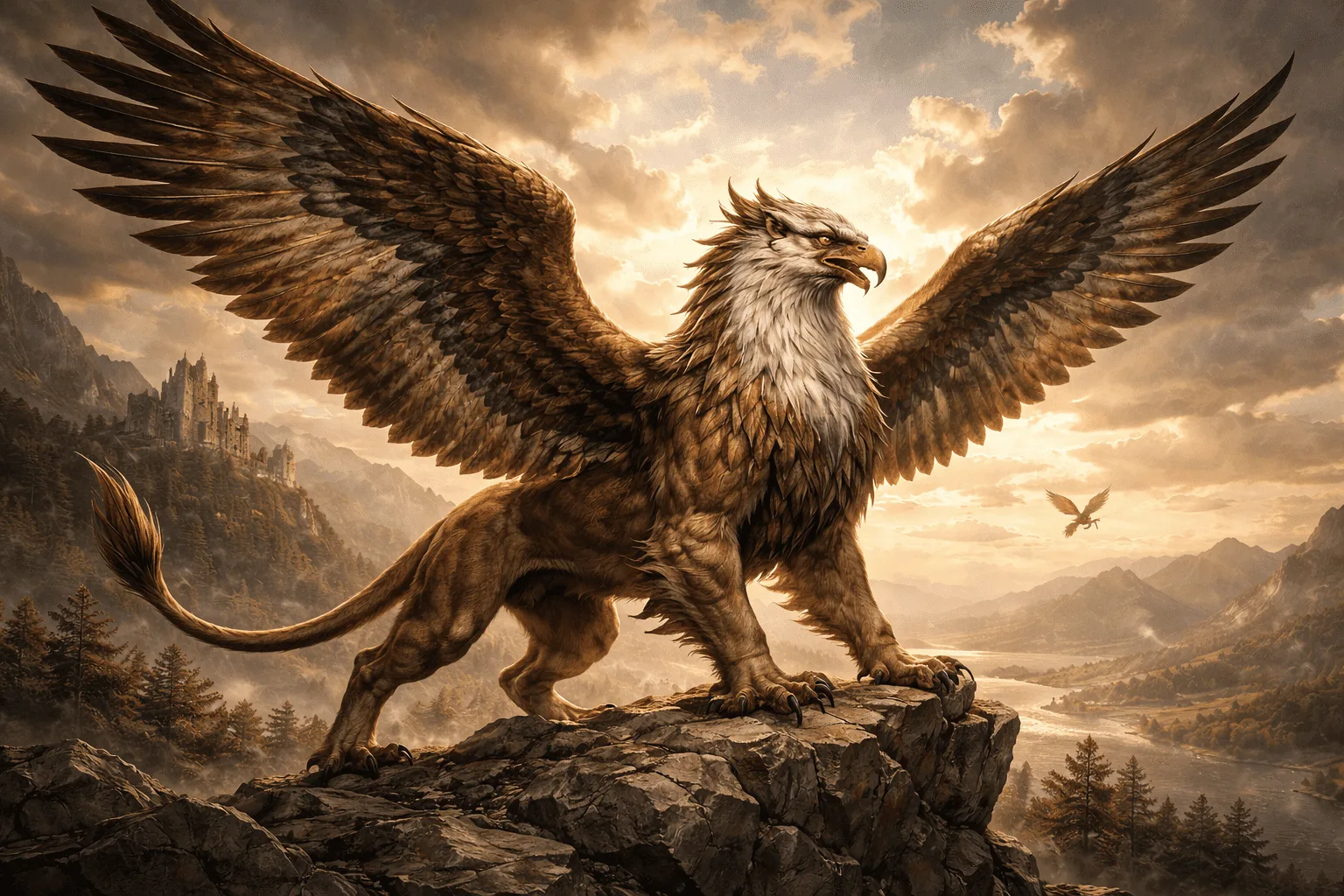
Grupa (Gryphon) – Mythical Creature of Greek Tradition

Grupa (or Griffon, Latin. Gryphon / Griffin) is one of the most iconic complex creatures of ancient mythological tradition. It is depicted with body and posterior limbs of a lion and head, beak and eagle wings, combining the two most powerful animals of land and sky. His form symbolizes supreme power, alertness and basilica...More

Pegasus: the winged horse of Greek mythology

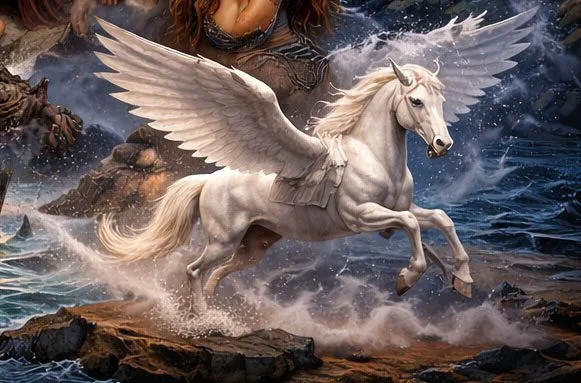
Pegasus – The Winged Horse of Greek Mythology

Pegasus is one of the most iconic mythical creatures of ancient Greek mythology. As a winged horse of divine descent, it is inextricably associated with the birth of inspiration, poetry and transcending human boundaries. The form of Pegasus holds a central position in both mythological narrative and ancient art, operating as a symbol of creative ...More

Selenians: the wise and drunken followers of Dionysus

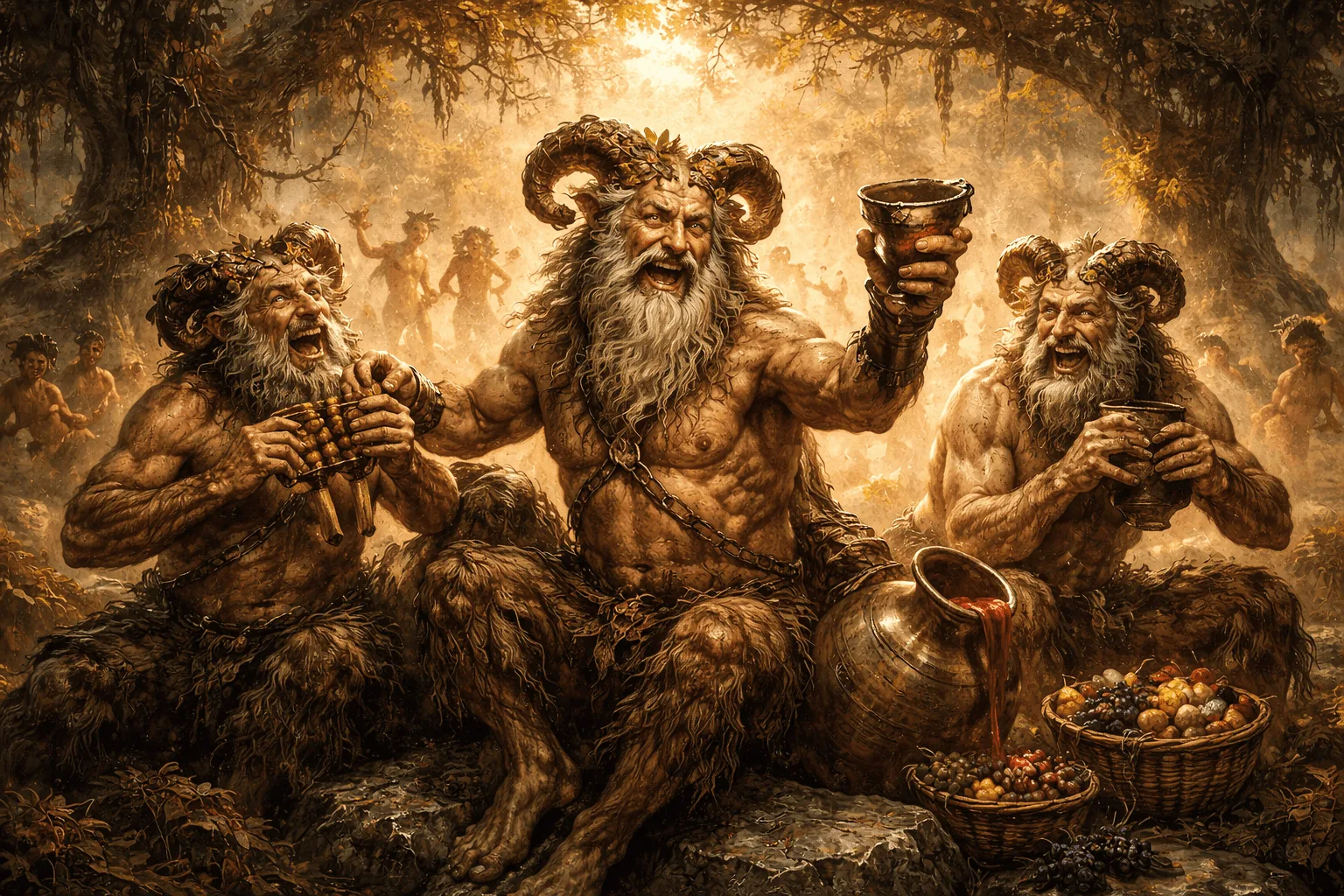
Moons in a dionysian scene in a forest with wine, music and dance, mythical beings of Greek mythology

The Selenians (or Silenians) are a special category of mythological beings of the ancient Greek religious and cult tradition. They are closely associated with the god Dionysus and belong to the wider circle of the demon spirits of nature, clearly differentiated from the Satyrs because of their role as carriers of ancient wisdom and secret knowledge. The Moons are mythical forms of...More

Satyrians: the wild spirits of nature and Dionysus

Satyrus of Greek mythology with animal characteristics in a natural landscape, accompanied by Dionysus

Satyrians are demonic and naturalistic figures of Greek mythology, inextricably associated with the worship of Dionysus and the world of wild nature, drunkenness and unbridled joy. They are portrayed as man-made beings with animal characteristics, such as horse tail and ears or goat, intense hairstyle and lasting state of cheer or desire. In ancient tradition, the...More

Sphinx, the keeper of the riddles

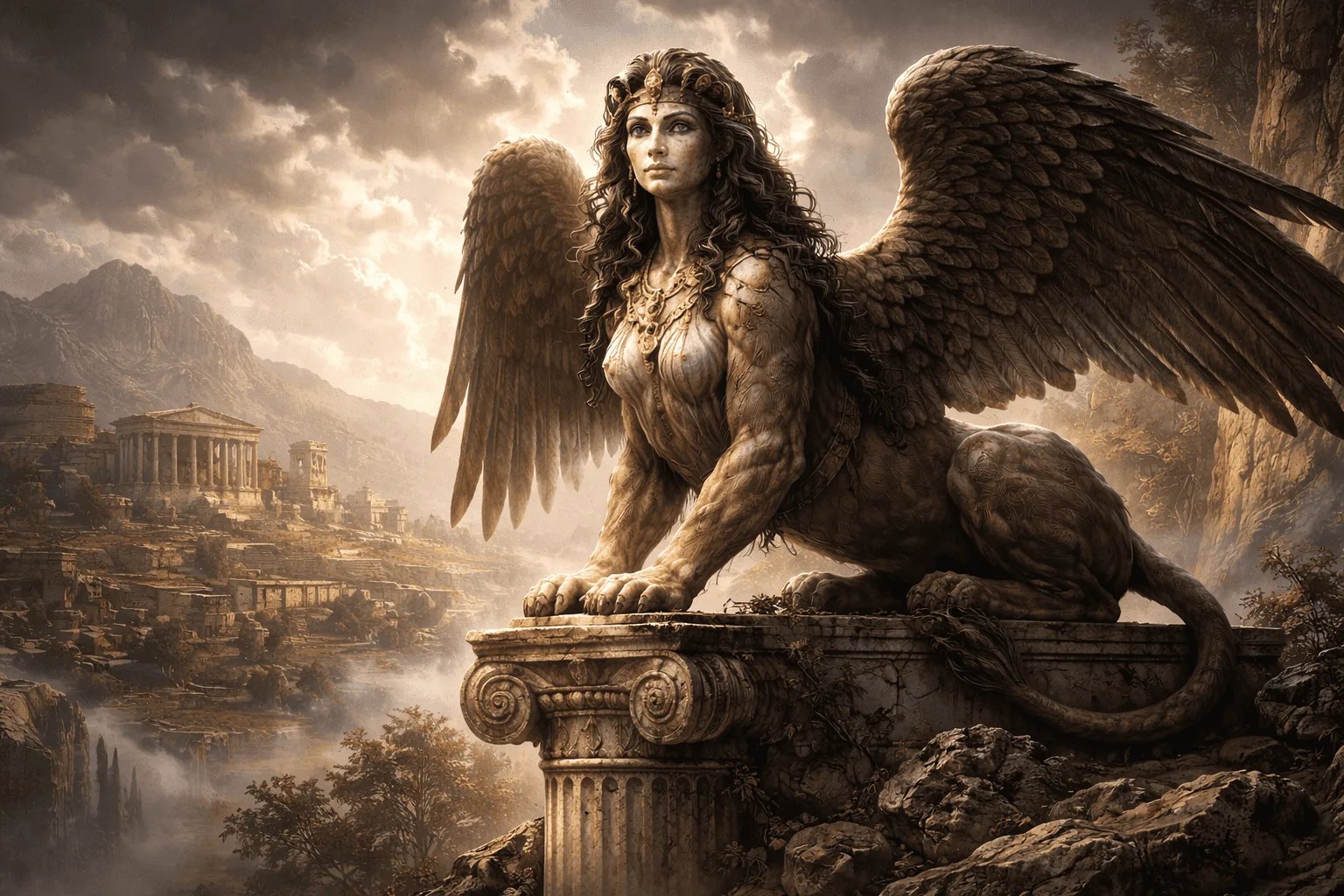
Sphinx – The Enigma of Greek Mythology

Sphinx is one of the most iconic and multi-significant beings of Greek mythology. Unlike other mythical monsters embodying brutal violence or natural destruction, the Sphinx acts as a guardian of knowledge, a tester of the human mind and a carrier of moral and philosophical meaning. Its presence culminates in the Theban cycle, through the myth of Oedipus. ...More

Argos Panoptis: the giant with the hundred eyes

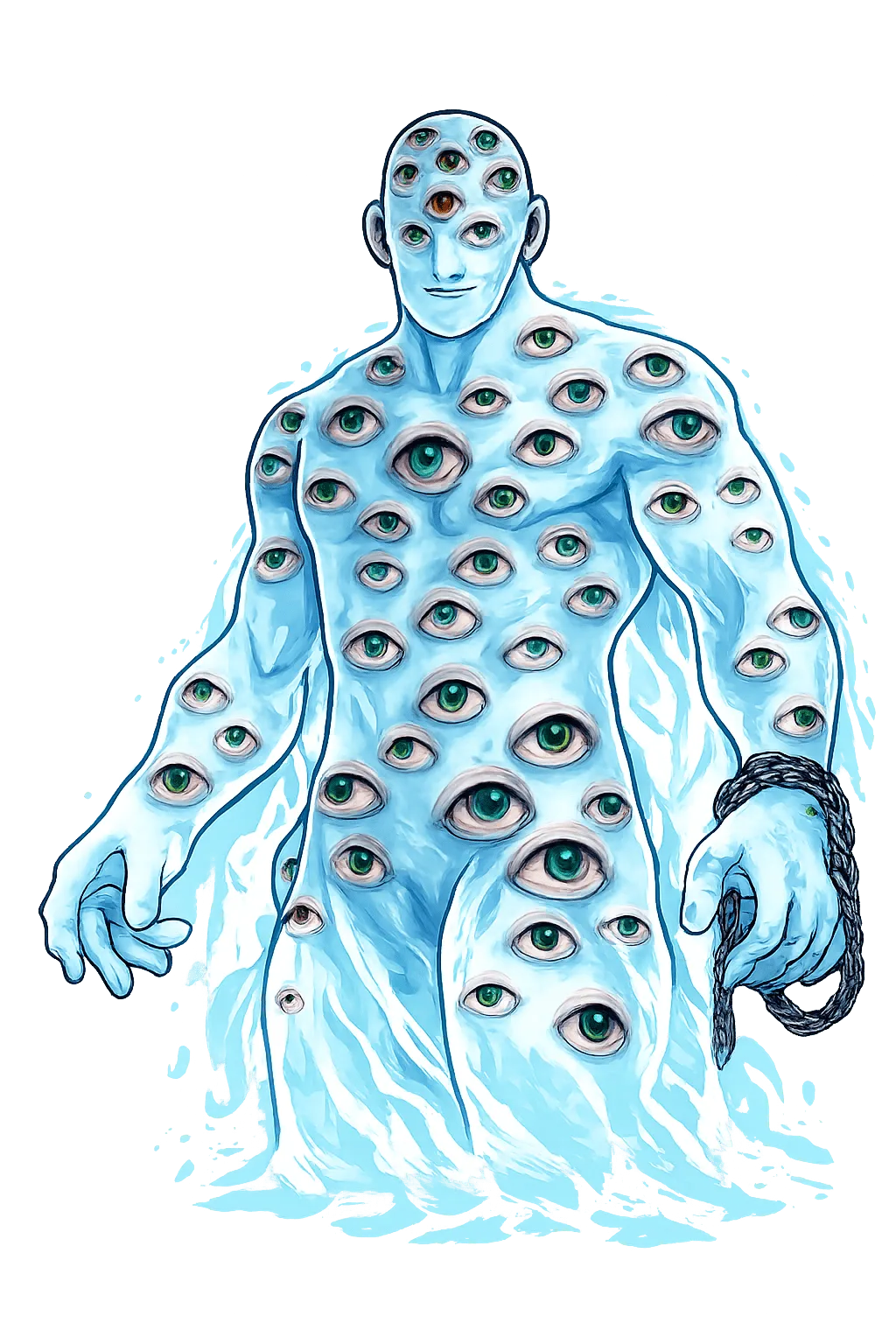
Argos Panoptis is one of the most iconic forms of ancient Greek mythology.

Slow (Panopt) The giant with a hundred eyes in Greek mythology Argos Panoptis is one of the most iconic forms of ancient Greek mythology. Known as the giant with the hundred eyes, Argos personifies absolute alertness, uninterrupted surveillance, and ubiquitous present knowledge. His name, Panoptis (he who sees the ...More

Echidna mythology

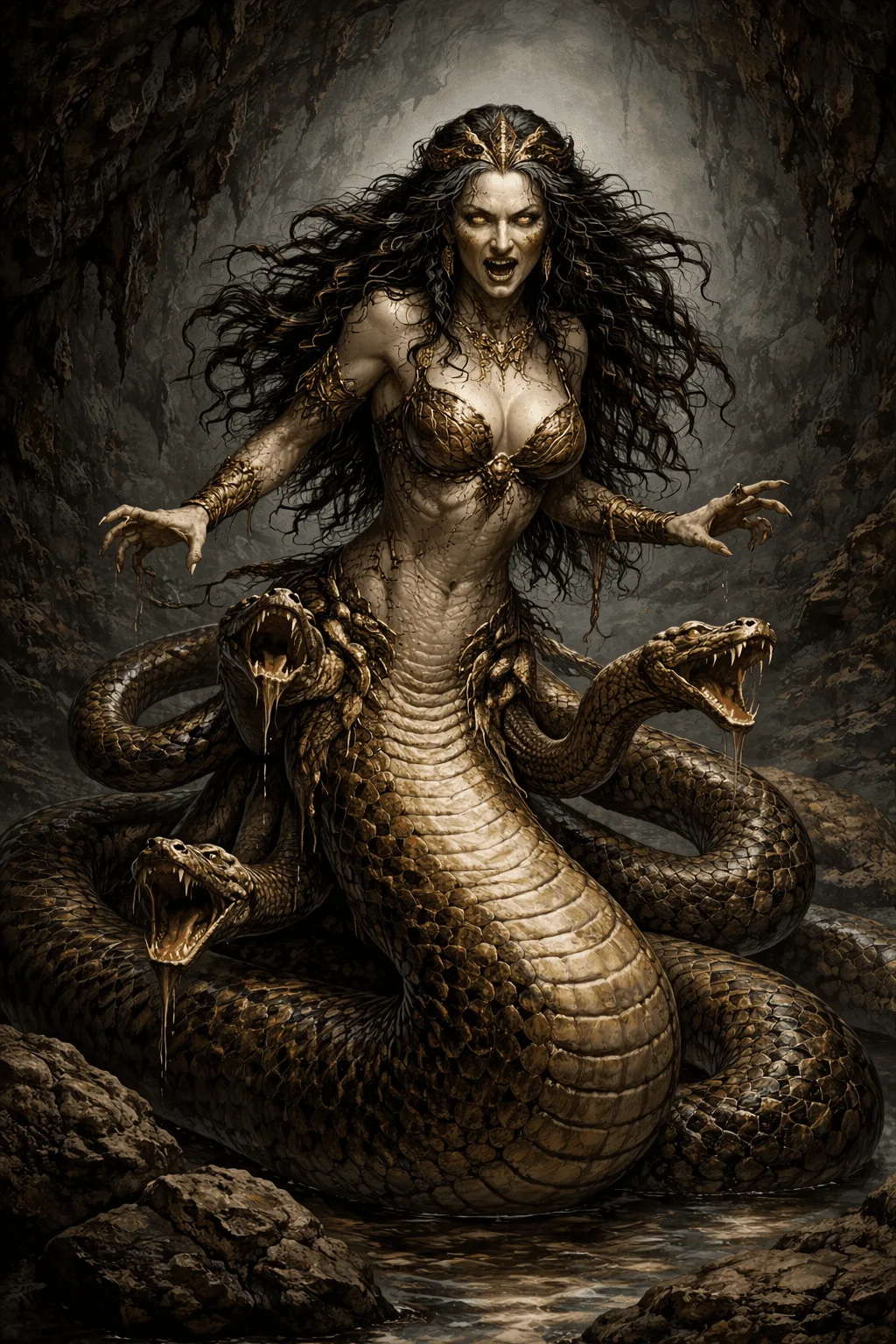
The Echidna of Greek mythology half woman half snake in a dark cave

Echidna is a mythical monster of Greek mythology known as «Mother of monsters». He is described as a creature half a woman and half a snake and is considered a companion of the Hurricane. Together they had many famous monsters, such as Cerberus, Lernaia Hydra and Chimera. Echidna is a mythical creature of Greek mythology considered the mother of many monsters. It's depicted...More