Titans and primary secular forces
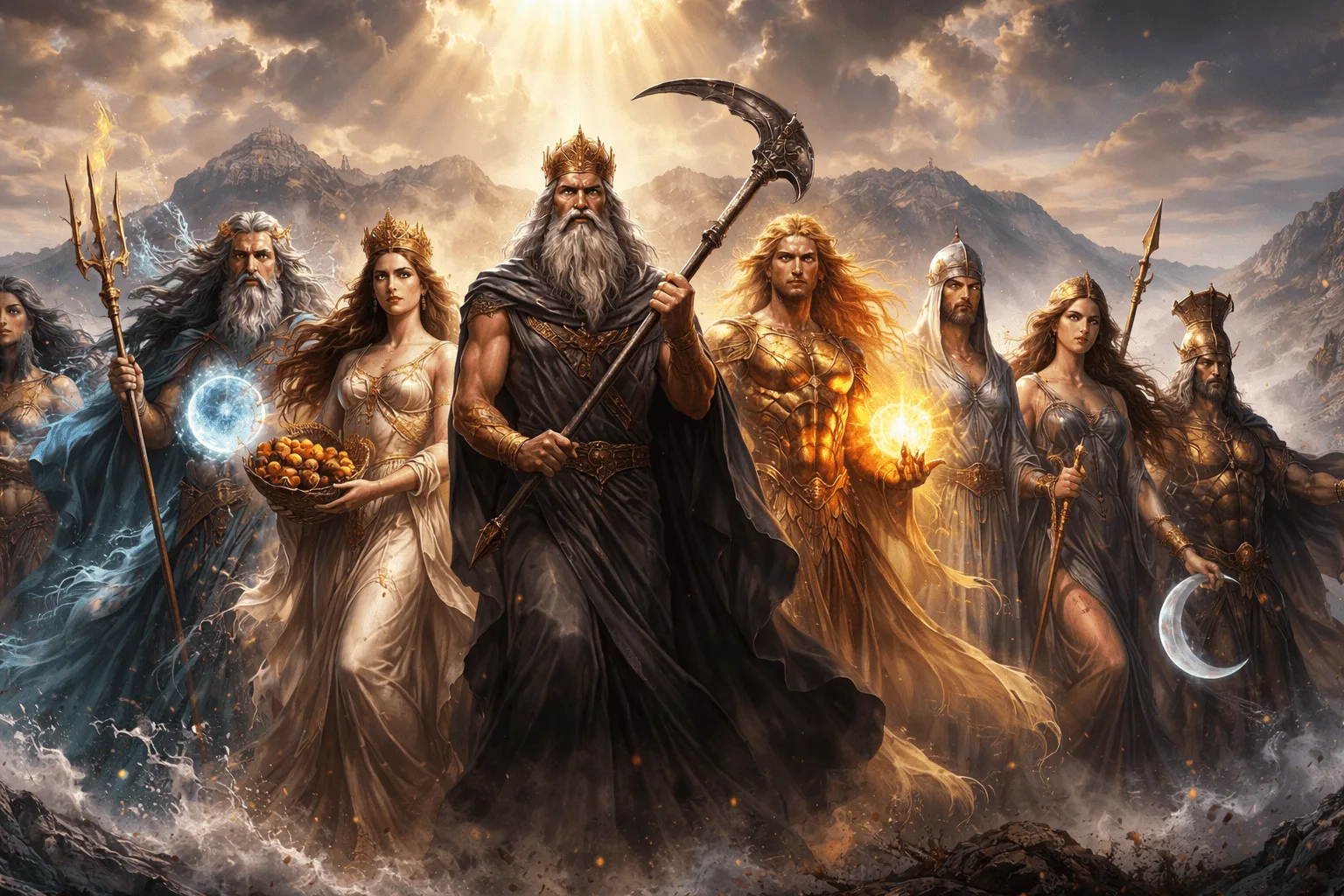
Titans belong to its oldest divine generations Greek mythology and are mainly presented in Theogony by Hesiod. According to Hesiod, they were born from the union of Gaia and Uranus and constituted a powerful generation of deities before the Olympian gods came to rule. Among them are Cronus, Rhea, Oceanus, Tethys, Hyperion, Theia, Coeus, Phoebe, Creus, Mnemosyne, Themis, and Iapetus. They are not monsters in the common sense of the word, but cosmic forces representing elements of nature, time, memory, justice, and fertility.
Their physical appearance is not always described in detail in ancient sources. The emphasis is placed more on their genealogy and their role within the social order. Cronus, for example, is a central figure because he overthrows his father, Uranus, and is later overthrown by his son, Zeus. This succession expresses the idea that power in the world is not static, but arises through conflicts between generations. In the myth of The Titanomachy, Titans fight against Olympian gods in a contest that ends with Zeus's victory.
The Titanomachy is not merely a story of war between generations of gods. It is a mythological explanation for the establishment of the cosmic order. The Olympians, led by Zeus, represent a new form of divine authority, organized around justice, hierarchy, and the division of powers. The Titans, although not all are portrayed as evil, are associated with an older and more primitive cosmic state. After their defeat, many are imprisoned in Tartarus, while others, such as Themis and Mnemosyne, are incorporated into the new order.
The symbolism of the Titans runs deep. They embody the primordial energy of the world, the raw power that precedes organized reality. In modern language, the term “titanic” denotes something enormous and superhuman, a fact that demonstrates their timeless influence. Among the mythical creatures of Greek mythology, the Titans hold a special place, because they are not merely adversaries of the gods or heroes, but the very founders of an earlier cosmic era.
The Titans are one of the most important and primordial groups of divine beings in Greek mythology. They belong to the second generation of gods, preceding the reign of the Olympians, and are associated with the primordial forces of the universe, such as time, earth, sky, and memory.
According to tradition, the Titans were the children of Uranus (Uranus) and Gaia (Earth). They represent an era when the world was still under a primitive divine order, before the rise of Zeus and Olympian gods.
The Titans were the gods of Greek mythology who preceded the Olympians. They were the children of the primordial gods Uranus (heaven) and Gaia (land). Among the Titans were Oceanus, - Tethys, Hyperion, - Theia, Coeus, - Phoebe, Cronus, - Rhea, - Mnemosyne, - Themis, Krios and Iapetus. Cronus was the leader of the Titans, having succeeded in overthrowing his tyrannical father, Uranus, from the throne.
Later, when Cronus learned of a prophecy stating that his son would eventually overthrow him, he did everything in his power to prevent it. However, the prophecy came true, and Zeus succeeded in dethroning him and bringing an end to the age of the Titans, after the TitanomachyThe great war between Titans and Olympian.
Titans are the second generation of gods in Greek mythology.
They were born from the union of Gaia and Uranus and ruled the universe before the rise of the Olympian gods.
The period of their domination is called Golden Age of Titans, which ended with the great conflict known as Titanomachy.
Titans of Greek Mythology – The History of Old Gods
Titans are one of her most impressive figures. Greek mythology. Even before the well-known Olympian gods appeared, an older generation of divine forces, huge power and importance dominated. They were not just gods with human behavior. Nope. It was something bigger.—They symbolized the primary forces of nature, time and beginning of the whole world.
The ancient Greeks did not view the Titans merely as adversaries of the Olympian gods. They placed them within a much broader narrative about how chaos was transformed into order. Through their stories, they sought to explain how the universe was created and what invisible forces govern life.
At Mythoi.org you will find detailed stories about Titans, gods and mythical creatures that the ancient Greek imagination gave birth to.
The cosmogenic origin of Titans
And now for their origins. The Titans were born of two primordial, all-powerful entities: Uranus and Gaia. Uranus was literally the sky, while Gaia was the earth, the foundation of all existence.
Of course, their relationship was anything but smooth. Uranus feared his children—so much so that he locked them away in the bowels of the earth. In this myth, the fear of the new generation and the change brought about by evolution is clearly evident.
Gaia, though in pain, was determined to overthrow him. She succeeded with the help of her son, Cronus. In this way, they managed to free his siblings and change the order of the world forever.
Cronus and the Age of the Titans
Cronus is perhaps one of the most dramatic figures in mythology. He seized power by force, overthrowing his father, Uranus, and for a time became the absolute ruler of the world. We remember those years as a “golden age.” People lived without anxiety, without toil, and without pain.
And yet, fear never allowed Cronus to rest easy. He did not want to suffer the same fate as his father, and, to protect himself, he began devouring his children as soon as they were born. The myth is dark, but it contains something timeless—it shows how power, when it feels threatened, can become paranoid and react destructively in the face of change.
The Birth of Zeus and the Revolution of the Olympians
Nevertheless, one child was able to escape: Zeus. He grew up secretly, protected from his father. And when he became a man, he didn't stay with his hands crossed. He organized the revolution, found allies and turned against Saturn. He finally forced him to release his brothers. So began the legendary Titanomachy.
The Titanomachy was more than just a mythical war; it symbolized the end of the old order and the beginning of a new, Olympian era. The Olympian gods, led by Zeus, brought with them ideals such as order, justice, and stability. One cycle was ending and another, brighter one was beginning—at least, that is how people wanted to remember it.
The Titanomachy and the Fate of the Titans
The war between Titans and Olympians lasted years, at least that's what mythology says. In the end, the Titans lost, and many of them were found prisoners in Tartarus — a dark, deep place beneath the earth.
Tartarus wasn't just a prison. For ancient Greeks, it was like a place of isolation, a place where they put forces that did not fit into the new order of things.
Although the Olympians won, the Titans did not disappear. The Greeks believed that these primary forces of nature remained, continued to influence the world in their own way.
The most important Titans of mythology
Among the Titans, there are some who stand out especially
- Oceanus, connected to the waters surrounding the world
- Tethys, Protector of the seas
- Hyperion, god of light
- Mnemosyne, representing memory and knowledge
- Iapetus, father of important mythological heroes
- Cronus, the most famous and tragic form of the Titanic generation
Each symbolizes a different part of nature or human experience. Through their stories, the ancients tried to explain the mysteries around them.
The importance of Titans in modern times
The Titans, though they spring from ancient myths, remain alive in our everyday lives. Every time you encounter a reference to them in art, literature, or even science, you feel the impact of the ancient knowledge and primal power behind them. They are not merely characters. They are symbols that carry memory and remind us that ideas clash, generations change, and society moves forward through these constant transitions.
The transition from the Titans to the Olympian gods should not be viewed simply as a mere change of roles. It is like a giant leap in cultural evolution—an allegory of progress, full of tension and deep meaning. The Titans are often portrayed as adversaries, but their story is much more than that. They embody the very power of nature, the primal act of creation, and are a key part of our mythology.
Conclusion
And now, as we reach the end, it’s impossible not to admit just how fascinating the Titans are. Their journey—from the birth of the world to their epic clash with the Olympians—has something unique about it: they offer profound philosophical reflections and speak about life, power, and change.
Anyone who browses Mythoi.org will find countless myths, with the Titans always present, shaping ancient Greek culture in their own way. And somewhere in there, you might discover something of your own.
 Titans
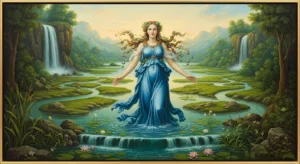
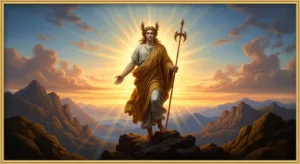 Titans
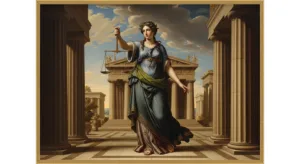
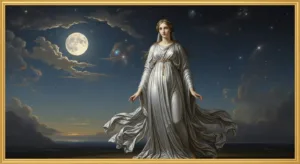
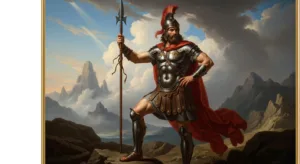
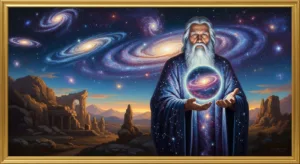
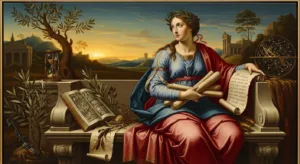
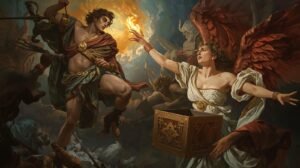 Titans
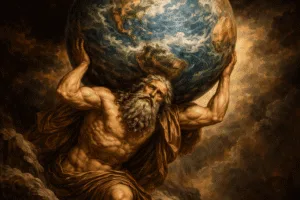 Titans, Mythology Stories
| Titan | Parents / Origin | Role – Description |
|---|---|---|
| Cronus | Uranus & Gaia | Head of Titans, god of time |
| Rhea | Uranus & Gaia | Mother of the Olympian gods |
| Oceanus | Uranus & Gaia | God of the World River |
| Tethys | Uranus & Gaia | Goddess of sweet waters |
| Hyperion | Uranus & Gaia | God of light |
| Theia | Uranus & Gaia | Goddess of glow and precious metals |
| Coeus | Uranus & Gaia | Titan of intelligence |
| Phoebe | Uranus & Gaia | Goddess of prophecy |
| Krios | Uranus & Gaia | Titan of constellations |
| Iapetus | Uranus & Gaia | Father of Prometheus |
The Titans were the gods of Greek mythology who preceded the Olympians. They were the children of the primordial gods Uranus (heaven)
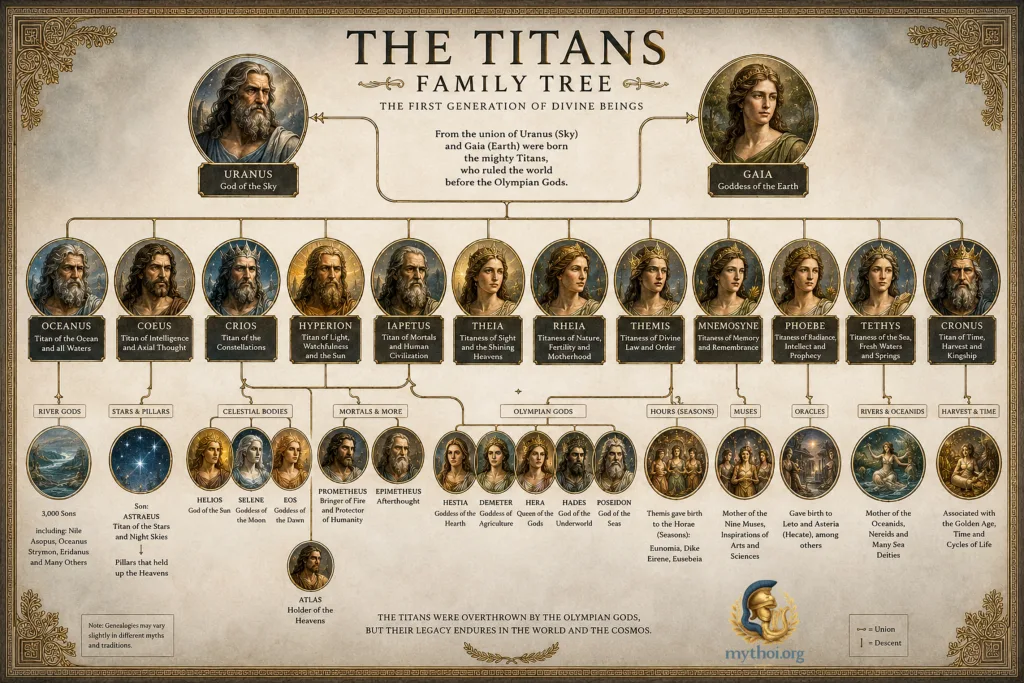
📥 Titans download high resolution interactive PDF for free
Frequently Asked Questions about Titans in Greek Mythology
Who were the Titans?
Titans were powerful deities of the first generation in Greek mythology. They were children of Heaven and Gaia and ruled the world before the Olympian gods.
How many Titans were there?
There were twelve primary Titans: six men and six women. Among them, Cronus, Rhea, Oceanus, Themis, and Iapetus stand out.
Who was the leader of the Titans?
Cronus is considered the leader of the Titans; he overthrew his father, Uranus, and became ruler of the world.
Why did Cronus swallow his children?
Cronus feared a prophecy that one of his children would overthrow him. So he swallowed every child that Rhea gave birth to.
Who beat the Titans?
Zeus and the Olympian gods defeated the Titans in the great war called Titan fighting.
What was the Titanomachy?
The Titanomachy was the ten-year conflict between the Titans and the Olympian gods over control of the world.
Where were the Titans imprisoned?
After their defeat, many Titans were imprisoned in Tartara, a deep and dark place under the Underworld.
Were all Titans bad?
Nope. Many Titans were associated with wisdom, nature, and justice. For example, Themida symbolized divine order and justice.
What is the difference between the Titans and the Olympian gods?
The Titans belonged to the oldest generation of gods, while the Olympians were the youngest generation to rule after Titanic combat.
Who was the strongest Titan?
Cronus is considered the strongest and most important of the Titans, as he became king of the gods before Zeus.
What known heroes came from Titans?
Many gods and heroes had Titanic origins, as Titans were ancestors of much of the divine world of Greek mythology.
Are there Titans who helped Zeus?
Yes. Some Titans, such as Prometheus and Themis, allied themselves with or aided Zeus and the Olympians.
Who was Prometheus?
Prometheus was known for giving fire to people, an act that angered Zeus.
What do Titans symbolize?
Titans symbolize the primal forces of nature, chaos, but also the transition from the old to the new order of the gods.
How do we know the myths about Titans?
Most of the information comes from the works of ancient authors such as Hesiod and his *Theogony*.
Sources and Bibliography for Titans
- Apollodorus, Bibliotheca, James George Frazer translation, 1921. Source
Discover more mythology stories in our collection.