
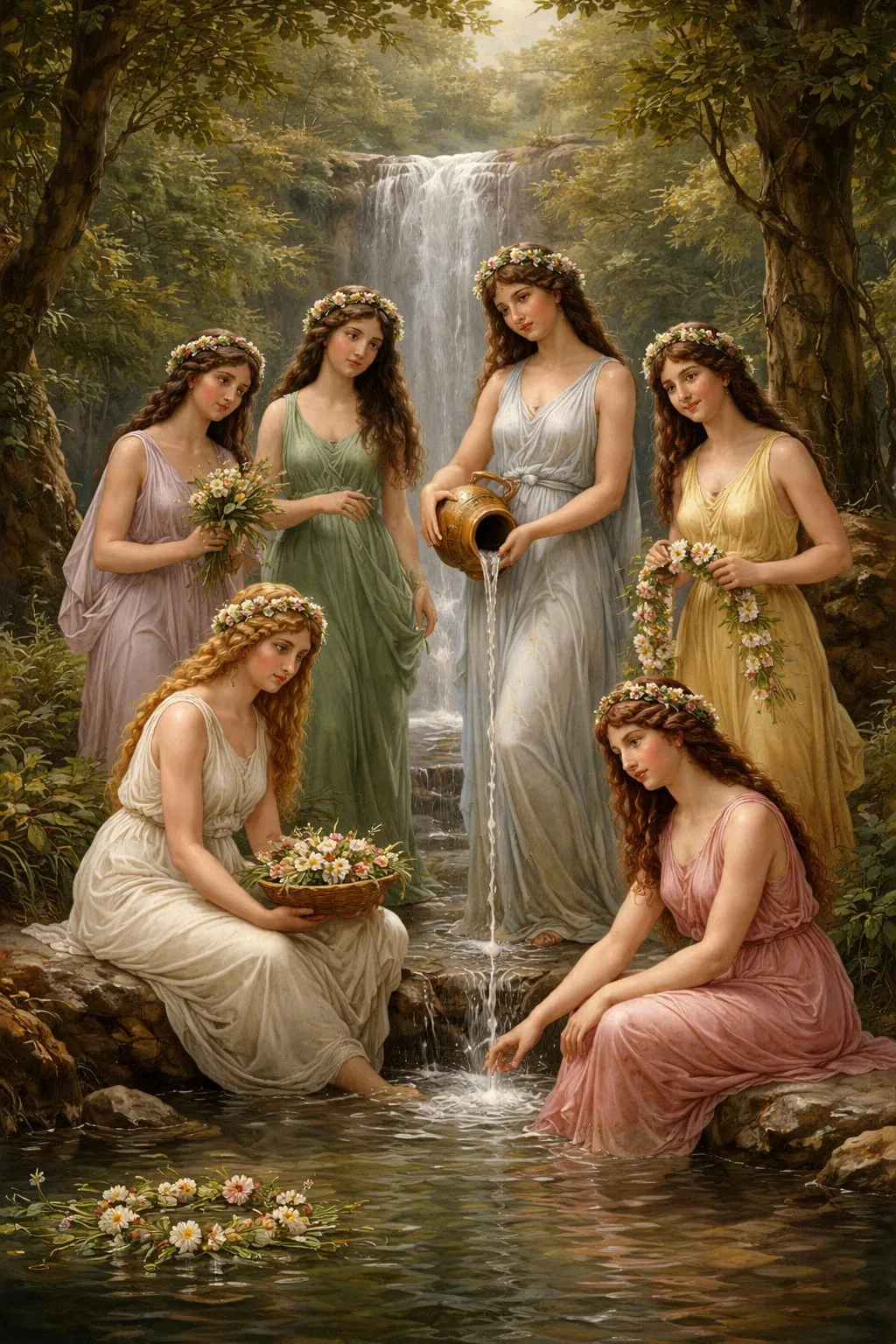
Naiades: The Nymphs of Sweet Waters in Greek Mythology
Naiades are one of the most important categories of nymphs in ancient Greek mythology, as they are directly linked to water that is a source of life for man and nature. These are the freshwater nymphs, which resided in rivers, lakes, springs, streams and fountains. For the ancient Greeks, each water element had its own divine standing, and the Naiads were the living patrons and personifications of these natural sources.
The word «Nayads» comes from the verb «to», meaning «flow», indicating their close relationship with running water. Unlike other nymphs associated with forests or mountains, the Naiads have a direct connection with water moving and constantly renewed, which makes them symbols of life, purity and regeneration.
According to mythological tradition, the Naiades belong to the watersheds nymphs and are often considered the daughters of river gods, rivers, or local water deities. Each source or river could have its own Naiad, which protected it and embodied it. The ancients believed that the Naiads had the power to influence the quality of water, the fertility of the earth, and the health of people and animals living near their sources.
Naiades often appear in Greek myths as beautiful young women residing in or near the water. Although generally considered beneficial and protective, they can also become dangerous for those who do not respect their sacred waters. In many traditions, young men approaching sources without respect risked drifting or being lost, indicating the sacred nature of the waters.
Naiads are closely associated with important myths and genealogies heroesMany times they are presented as mothers or lovers of mortal kings, from which heroic generations of divine descent are born. This relationship between the divine and the human element is characteristic of Greek mythology and strengthens the role of the Naiads as intermediaries between nature and people.
In several stories, the Naiads are related to divination and healing. Their sources and waters were considered sacred and therapeutic, while many times near them cults and small sanctuaries were developed. People made offers to the Naiads calling for health, fertility, and protection from disease or drought.
The presence of the Naiads in the art of antiquity is particularly intense. They are depicted as elegant young forms emerging from sources or sitting next to rivers, often accompanied by plants, reeds, or aquatic animals. Their iconography highlights the harmony between man and nature, as well as the calm, life-giving power of water.
Symbolically, the Naiads represent the renewal, purity and continuous flow of life. Water, as an element that never remains stationary, reflects the very nature of existence and change. Through the Naiades, the ancient Greeks expressed their understanding that nature is alive, sacred and inextricably connected with man.
Today, Naiads remain a powerful symbol of natural beauty and ecological consciousness. Their image reminds them of the importance of protecting water resources and the balance between man and the environment, keeping alive the ancient Greek concept of the divine dimension of nature.
The Naads were the mysterious nymphs of rivers, springs and lakes in ancient Greece. The ancients believed that each source had its own divine protector. Many times they helped gods and heroes, but could become dangerous to mortals...
Orphic Hymn 51 to Nymphs (Greek hymns 3rd century BC to 2nd century AD):
“Naiads who dwell in the damp caves of the earth; companions of Bacchus, secret powers, fertile goddesses… O Nysian Nymphs, mad with love, who love the oak trees, lovers of spring, radiant Paeonian virgins; together with Bacchus and Demeter, hear my prayer, and bring abundant favor to humanity.”
The Naiads are nymphs of freshwater and are considered to be life, purification and healing agents. Water, as a primary element, makes them fundamental to cosmological thinking.
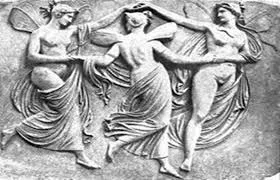
Naiads nymphs were sometimes classified according to their place:
PigeaiSpring nymphs
Krenaiai: Naiads of the fountains
Potameides: river and stream protectors
Limnades: lake nymphs
Heleionomai: nymphs of marshes and wetlands
The Naiades, in collaboration with the goddess Artemis, were children's foods and girls' protectors, overseeing their safe transition from childhood to adulthood. - Apollo and River Gods were the respective guardians of the boys.
In mythology, many Naiads were the wives of kings and hold a prominent place in the royal genealogies. Other, like the beautiful daughters of the river Asopos, loved by the gods. They often gave their names to towns, cities and islands and were therefore considered goddesses-protects of the main water source of a settlement, such as a source, a fountain or a well.
Etymology
From the verb nao («flow»), stating continuous movement and regeneration.
Action Field
Sources
Rivers
Lakes
Thermal waters
Properties
Therapeutic strength
Magical ability
Protection of life
Worship Practice
Naiads near springs
Springs of clay, honey, flowers
Connection with medicine and divination
Mythological Narrators
Love with mortals
Transformations
Founding city myths
Symbolism
The Nereids express the vital flow, clearance and birth.
Yesas and people
Yesas had a close relationship with people. The ancients believed that they could offer blessing, fertility, and healing to those who respected their waters.
So in many sources and holy waters people left offerings such as:
small vessels
fruit
honey
flowers
In return, the Yesads could protect an area from drought or cure water related diseases.
Naiads in well-known myths
Naiads appear in many Greek myths and often interact with gods and heroes.
One of the most famous myths is that of the Nymph Arethusa. According to tradition, Arethusa was transformed into a spring to escape the river god Alphae Who pursued her.
This story shows how closely the nymphs were associated with the natural landscapes of ancient Greece.
The Naiads in Art
Naiads are often depicted in ancient Greek art as young women beside springs or holding hydrias. In vase painting and sculpture, they appear surrounded by plants, water, and animals of nature, emphasizing their close relationship with the natural environment.
Conclusion
The Naiads are one of the most captivating figures in Greek mythology. As nymphs of springs and rivers, they symbolized the vital force of water and the ancient Greeks' deep connection to nature.
Their presence in myths, worship and art shows how important the natural landscapes played in everyday life and religious thought of ancient Greece.
Frequently asked questions about Naiads
What were the Naiads in Greek mythology?
The Naiads were nymphs of fresh waters, such as rivers, springs, and lakes. They were associated with nature and were considered protectors of aquatic ecosystems.
Where did the Naids live?
The Naiads lived in rivers, springs, streams and lakes, that is, in areas with fresh water.
What was the role of the Naiads?
The Naiads protected water and were often considered spirits that gave life to nature and humans.
Were the Naiads immortal?
The Naiads were considered long-lived but not completely immortal, as their lives were tied to the natural source they protected.
What gods were the Naids associated with?
The Naids were often associated with Poseidon and other water deities.
How were the Niads depicted?
In ancient art they were presented as young and beautiful women, often near water or springs.
What was the significance of the Naiads?
The Naids symbolized the life that fresh water offers and the relationship between man and nature.
Were there myths with Naiads?
Yes, many stories mention Naids who fell in love or helped heroes and gods.
Why were the Naiads important?
Because ancient Greeks considered the sources and rivers sacred elements of nature.
What is the importance of the Naiads today?
Naids remain a symbol of natural beauty and protection of water resources.
Discover more Greek deities in our collection.


Sources and Bibliography for Naiades
Ancient Sources
- Theogony
- It includes references to nymphs and genealogy of water deities.
- Odyssey
- It mentions sources, rivers and nymphs related to the Naiades.
- Library
- It gathers mythological traditions for nymphs and divine genealogies.
- Transformations
- It contains many stories of brides associated with water and springs.
- Argonauts
- References to nymphs and water landscapes during travel.
- Tour of Greece
- Important source for cults of sources and local Naiads.
Modern Bibliography
- Greek Religion
- The Greek Myths
- Early Greek Myth
- The Routledge Handbook of Greek Mythology
- Greek Mythology
- Mythology: Timeless Tales of Gods and Heroes
- Theoi Project: Naiads