
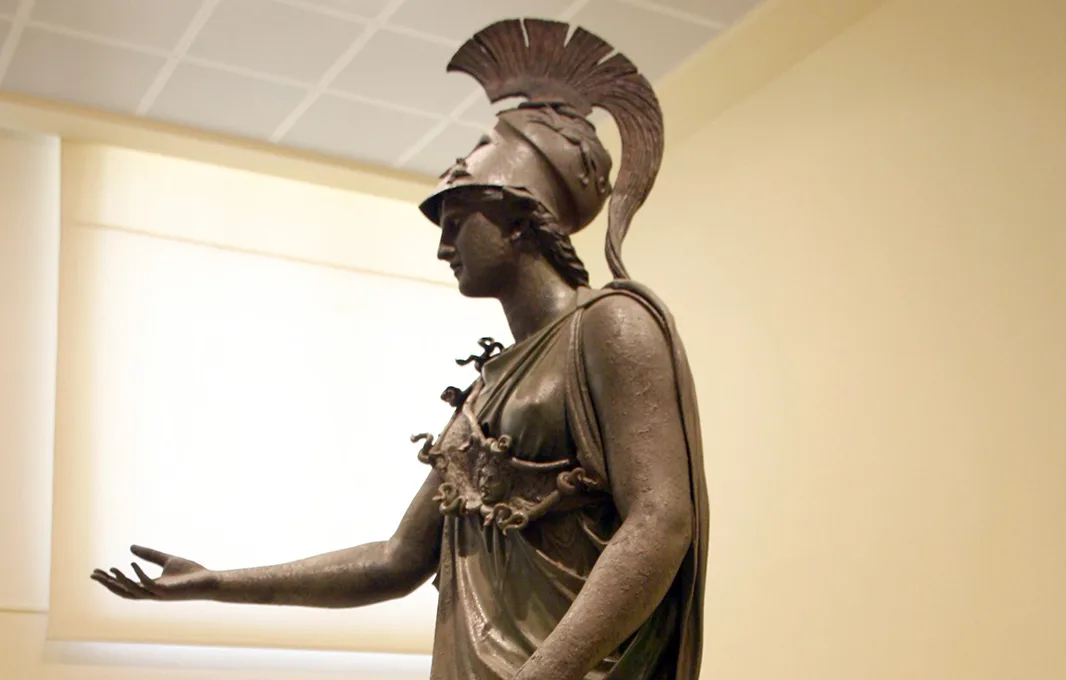
Greek mythology is one of the most important pillars of world culture. The stories of gods, heroes and mythical creatures are not only preserved through ancient texts, but also through the unique exhibits of the museums of Greece.
Statues, vases, gold jewels and sacred objects bring to light the beliefs, rituals and everyday life of ancient Greeks. If you want to know mythology through authentic evidence, the following museums are top destinations.
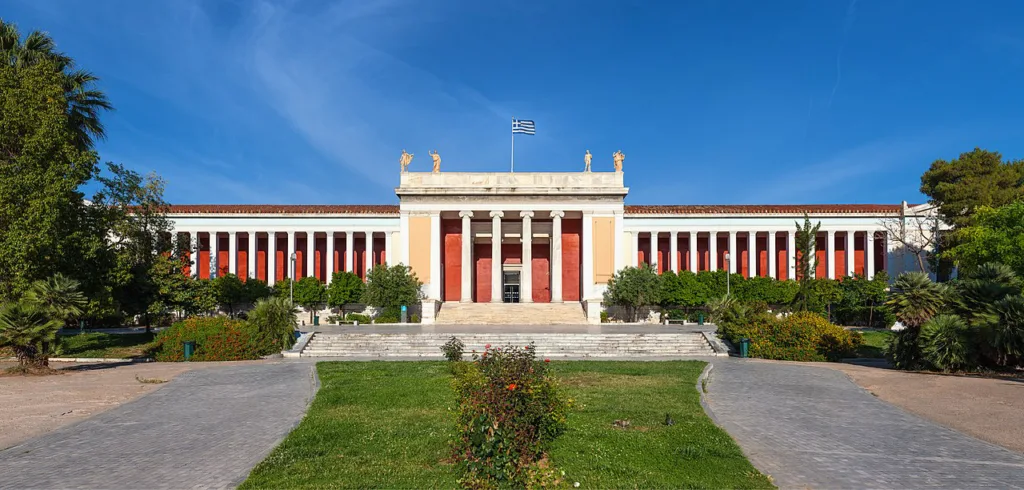
The National Archaeological Museum in Athens: The Absolute Treasure of Greek Mythology and the Heroes of Antiquity
The National Archaeological Museum in Athens is the largest and most important museum in the country. His collections cover a vast period of time, from the Neolithic era to the following Roman years.
For lovers of mythology, the museum is a real treasure:
- The famous «His mask Agamemnon» connected to the mythical king of the Mycenaeans and the Trojan War
- His bronze statue Zeus or Poseidon It captures the power of the gods of Olympus
- Vases and reliefs present scenes of myths such as his feats Hercules
Each hall reveals aspects of religious life and mythological perceptions of ancient Greeks, offering a complete picture of the evolution of myths.
Instructions: musums.mythoi.org – National Archaeological Museum
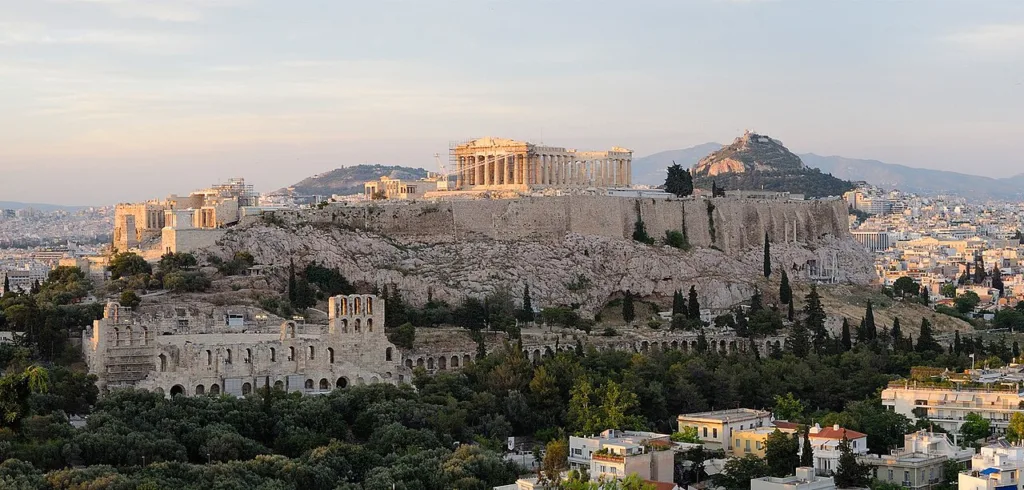
The Acropolis Museum in Athens: The Connection of Goddess Athena with the City and the Mythological Performances of the Parthenon
The Acropolis Museum is one of the most modern and impressive museums in Greece, dedicated exclusively to the findings of the Acropolis.
The mythology here is directly linked to the identity of Athens:
- The Caryatids and the Parthenon sculptures render her worship Goddess Athena
- The frieze presents mythological scenes and rituals
- Metapes depict mythical conflicts such as Giant Fighting and Centaur Fighting
The museum offers a unique experience, as it allows the visitor to understand the connection between architecture, religion and mythology.
Instructions: musums.mythoi. org – Acropolis Museum
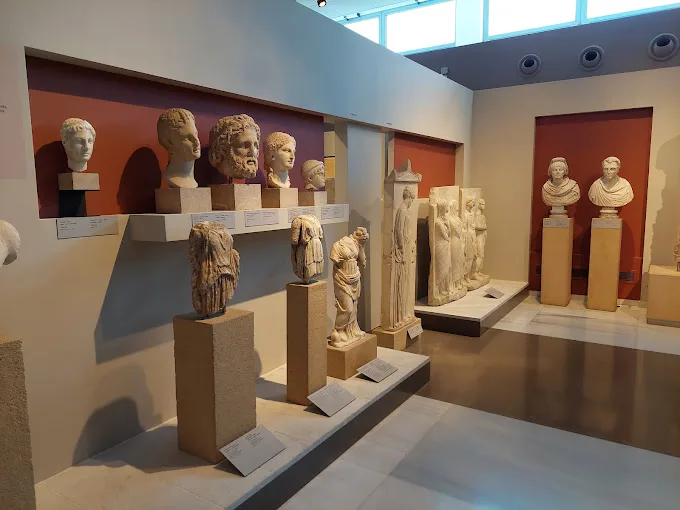
The Archaeological Museum of Thessaloniki: The Mythology of Macedonia and the Worships of the Gods of Olympus
The Archaeological Museum of Thessaloniki is a key cultural centre for northern Greece and highlights the history of ancient Macedonia.
The mythological dimension is particularly intense:
- Exhibits dedicated to Dionysus reveal the importance of worshiping the god of wine and ecstasy
- Items related to the Demeter and fertility show the connection of nature to religion
- Funeral findings reveal perceptions of the afterlife
The geographical proximity to Olympus strengthen the importance of the area as a center of mythological tradition.
Instructions: musums.mythoi. org – Archaeological Museum of Thessaloniki
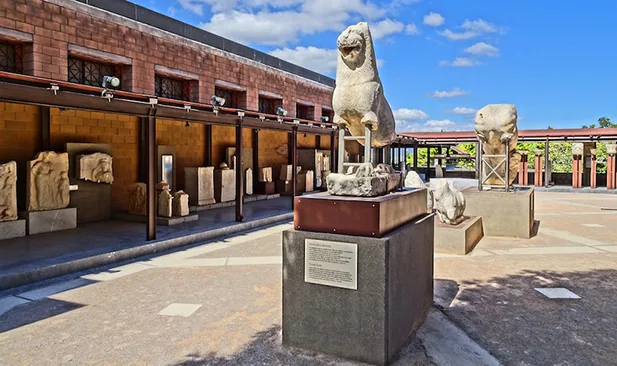
The Archaeological Museum of Thebes: The Myths of Oedipus, Hercules and the History of the Mythian City of Thebes
- Thebes holds a special position in Greek mythology, as it is associated with some of the most dramatic and well-known myths.
The Archaeological Museum of Thebes presents:
- The myth of Oedipus and the royal dynasty of the city
- His life and his feats Hercules, born in Thebes
- The Cadmos, city founder, and the introduction of the alphabet
The exhibits reveal the importance of Boeotia as a cultural and mythological center of ancient Greece.
Instructions: musums.mythoi. org – Archaeological Museum of Thebes
Conclusion: Museums as Living Gates to the World of Gods and Heroes
Museums in Greece are not just exhibition venues. They are living accounts that allow us to understand the world of Greek mythology deeper.
Through these, the Gods of Olympus, heroes and myths acquire form and substance, linking the past to the present. Whether you are in Athens, Thessaloniki or Thebes, the experience is unique.
For a complete exploration, you can refer to museums.mythoi.org, where the most important museums and their mythological links are gathered.
Explore the Full Mythology Guide in our collection.