
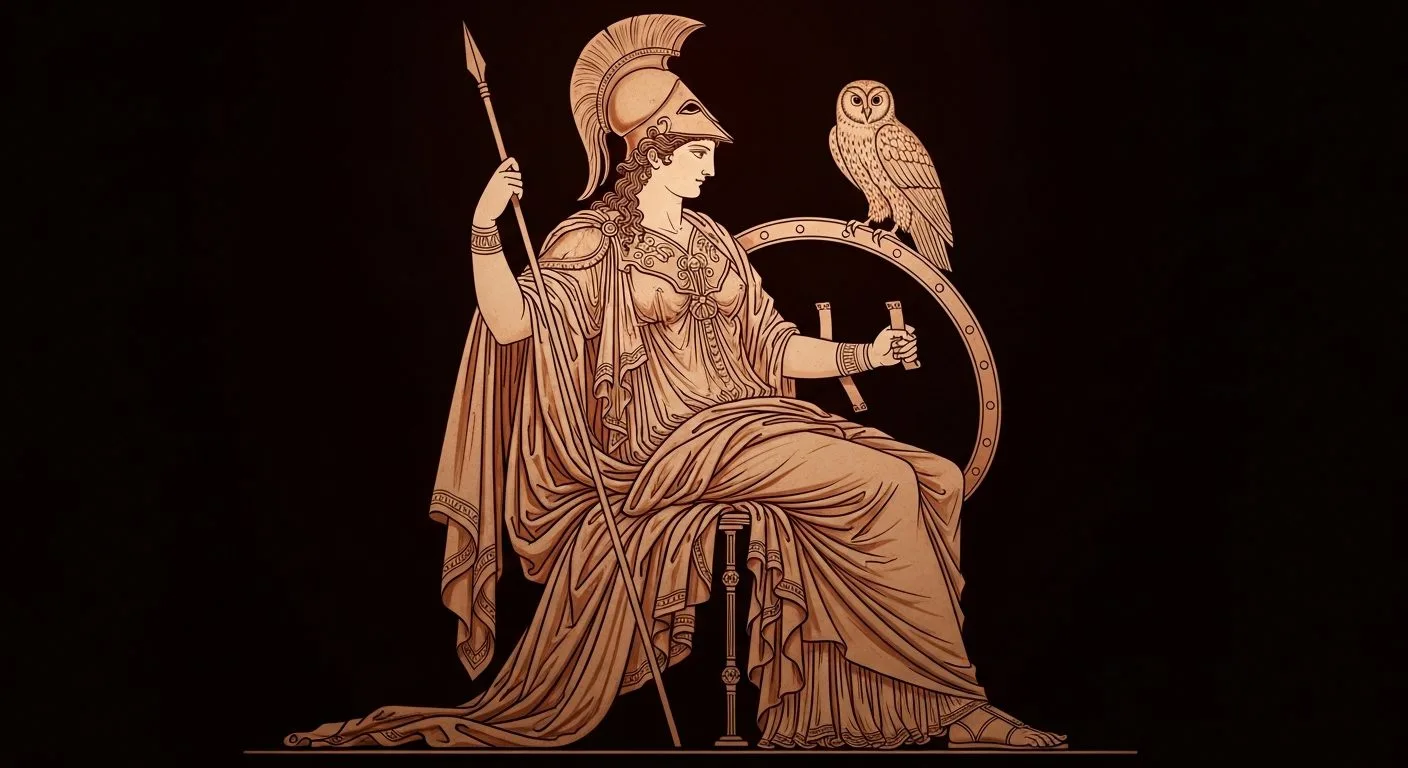
Η αγαπημένη μας θεά Αθηνά: Από την αρχαιότητα έως τη σύγχρονη εποχή
Η θεά Αθηνά αποτελεί μία από τις πιο λαμπρές και αγαπητές μορφές της ελληνικής μυθολογίας. Ως θεά της σοφίας, της στρατηγικής, της γνώσης, της δικαιοσύνης και της δημιουργικής σκέψης, δεν ενέπνευσε μόνο τους ανθρώπους της αρχαίας Ελλάδας, αλλά συνεχίζει να αποτελεί σύμβολο για εκατομμύρια ανθρώπους σε ολόκληρο τον κόσμο. Η μορφή της συνδυάζει τη δύναμη με τη λογική, το θάρρος με την αυτοσυγκράτηση και την αποφασιστικότητα με τη βαθιά κατανόηση. Αυτές ακριβώς οι αξίες κάνουν την Αθηνά διαχρονικά επίκαιρη και εξηγούν γιατί η θεά εξακολουθεί να κατέχει ξεχωριστή θέση στη συλλογική μνήμη της ανθρωπότητας.
Η Αθηνά στην αρχαία Ελλάδα
Στην αρχαία ελληνική παράδοση, η Αθηνά ξεχώριζε γιατί εκπροσωπούσε έναν διαφορετικό τρόπο άσκησης δύναμης. Δεν επιδίωκε τη σύγκρουση για τη σύγκρουση, αλλά χρησιμοποιούσε τη σοφία, τη στρατηγική και τη λογική για να επιλύει δύσκολες καταστάσεις. Γι’ αυτό και οι αρχαίοι Έλληνες την τιμούσαν ιδιαίτερα, θεωρώντας πως η πραγματική ισχύς πηγάζει από το μυαλό και όχι μόνο από τα όπλα.
Η σχέση της με την Αθήνα είναι από τις πιο γνωστές ιστορίες της ελληνικής παράδοσης. Σύμφωνα με τον μύθο, η Αθηνά και ο Ποσειδώνας διεκδίκησαν την προστασία της νέας πόλης. Ο Ποσειδώνας πρόσφερε μια πηγή θαλασσινού νερού, ενώ η Αθηνά χάρισε την ελιά της Αθηνάς, ένα δέντρο που πρόσφερε τροφή, λάδι, ξύλο και ευημερία. Οι κάτοικοι επέλεξαν το δώρο της θεάς, αναγνωρίζοντας τη σημασία της ειρηνικής προόδου και της δημιουργίας. Έτσι η πόλη πήρε το όνομά της και η θεά έγινε η αιώνια προστάτιδά της.
Στην κορυφή της Ακρόπολης δεσπόζει ακόμη ο Παρθενώνας, ο επιβλητικός ναός αφιερωμένος στην Αθηνά, που παραμένει ένα από τα σημαντικότερα μνημεία του παγκόσμιου πολιτισμού. Δεν ήταν μόνο χώρος λατρείας, αλλά και σύμβολο της δύναμης της γνώσης, της δημοκρατίας και της καλλιτεχνικής δημιουργίας.
Η Αθηνά στάθηκε επίσης πολύτιμη σύμμαχος μεγάλων ηρώων. Ο Οδυσσέας κατάφερε να ξεπεράσει αμέτρητες δοκιμασίες χάρη στην ευφυΐα και τη διορατικότητα που εκείνη ενίσχυε. Ο Περσέας, πριν αντιμετωπίσει τη Μέδουσα, δέχτηκε τη βοήθεια της θεάς, η οποία του πρόσφερε πολύτιμες συμβουλές και τον καθοδήγησε ώστε να ολοκληρώσει την αποστολή του με επιτυχία.
Σε αντίθεση με τον Άρη, που συμβόλιζε τη βία και την ανεξέλεγκτη ορμή της μάχης, η Αθηνά εκπροσωπούσε τον οργανωμένο σχεδιασμό, την πειθαρχία και τη δίκαιη χρήση της δύναμης. Αυτή η διαφορά εξηγεί γιατί οι άνθρωποι την έβλεπαν ως προστάτιδα όχι μόνο των πολεμιστών, αλλά και των τεχνιτών, των φιλοσόφων, των επιστημόνων και όσων επιδίωκαν να βελτιώσουν τον κόσμο μέσα από τη γνώση.
Τα σύμβολά της
Κάθε σύμβολο της Αθηνάς μεταφέρει ένα βαθύτερο μήνυμα που παραμένει αναγνωρίσιμο μέχρι σήμερα.
Η κουκουβάγια της Αθηνάς είναι ίσως το πιο γνωστό σύμβολό της. Το νυχτόβιο αυτό πουλί συνδέθηκε με την οξυδέρκεια, την παρατηρητικότητα και την ικανότητα να διακρίνει κανείς την αλήθεια ακόμη και μέσα στο σκοτάδι της άγνοιας. Για τον λόγο αυτό εξακολουθεί να εμφανίζεται σε πανεπιστήμια, εκπαιδευτικούς οργανισμούς και εκδόσεις που σχετίζονται με τη γνώση.
Η ελιά της Αθηνάς συμβολίζει την ειρήνη, την ευημερία, τη γονιμότητα και τη σταθερή ανάπτυξη. Από την αρχαιότητα μέχρι σήμερα, το δέντρο της ελιάς αποτελεί σύμβολο ζωής και συνεργασίας, ενώ παραμένει αναπόσπαστο στοιχείο της ελληνικής ταυτότητας.
Η περικεφαλαία υπενθυμίζει ότι η σοφία δεν αποκλείει την ετοιμότητα απέναντι στις δυσκολίες. Η Αθηνά ήταν πάντοτε έτοιμη να προστατεύσει όσους είχαν δίκιο, χωρίς όμως να επιδιώκει άσκοπες συγκρούσεις.
Η ασπίδα της, που έφερε το κεφάλι της Μέδουσας, λειτουργούσε ως σύμβολο προστασίας απέναντι στον φόβο και στις απειλές. Δεν εξέφραζε την επιθετικότητα, αλλά την ικανότητα να αντιμετωπίζει κανείς τον κίνδυνο με ψυχραιμία.
Τέλος, το δόρυ αντιπροσώπευε τη δύναμη που καθοδηγείται από τη λογική. Ήταν εργαλείο υπεράσπισης της δικαιοσύνης και όχι μέσο επιβολής.
Γιατί η Αθηνά παραμένει αγαπητή σήμερα
Οι αξίες που συμβολίζει η Αθηνά δύσκολα χάνουν τη σημασία τους. Σε κάθε εποχή, οι άνθρωποι αναζητούν τη σοφία περισσότερο από τη βία, τη γνώση περισσότερο από την άγνοια και τη συνεργασία περισσότερο από τη σύγκρουση.
Η Αθηνά μας υπενθυμίζει ότι οι μεγάλες επιτυχίες δεν βασίζονται μόνο στη δύναμη, αλλά κυρίως στη σωστή σκέψη και στη στρατηγική. Η ικανότητα να σχεδιάζουμε, να προβλέπουμε τις συνέπειες των πράξεών μας και να λαμβάνουμε δίκαιες αποφάσεις αποτελεί θεμέλιο κάθε υγιούς κοινωνίας.
Παράλληλα, η θεά συνδέεται άμεσα με την εκπαίδευση και τη δια βίου μάθηση. Η γνώση δεν παρουσιάζεται ως προνόμιο λίγων, αλλά ως δύναμη που μπορεί να βελτιώσει τη ζωή όλων. Γι’ αυτό και η μορφή της χρησιμοποιείται συχνά ως σύμβολο σχολείων, βιβλιοθηκών και εκπαιδευτικών ιδρυμάτων.
Η δημιουργικότητα και η καινοτομία αποτελούν επίσης βασικά στοιχεία της προσωπικότητάς της. Στον σημερινό κόσμο, όπου η επιστήμη, η τεχνολογία και οι νέες ιδέες διαμορφώνουν το μέλλον, το παράδειγμα της Αθηνάς αποκτά ακόμη μεγαλύτερη σημασία. Η πρόοδος γεννιέται όταν η φαντασία συνεργάζεται με τη λογική και όταν η γνώση χρησιμοποιείται προς όφελος της κοινωνίας.
Παράλληλα, η Αθηνά συμβολίζει τον αυτοέλεγχο και τη δικαιοσύνη. Δείχνει ότι η πραγματική ηγεσία δεν βασίζεται στον φόβο, αλλά στην υπευθυνότητα, στην ψυχραιμία και στην ικανότητα να προστατεύεις το κοινό καλό. Αυτές οι αξίες παραμένουν εξαιρετικά επίκαιρες σε έναν κόσμο που αντιμετωπίζει συνεχώς νέες προκλήσεις.
Η Αθηνά στη σύγχρονη κουλτούρα
Η παρουσία της Αθηνάς δεν περιορίζεται στα αρχαία κείμενα ή στα μουσεία. Το όνομά της εμφανίζεται σε πανεπιστήμια, ερευνητικά ιδρύματα, δημόσια κτίρια, πλατείες και δρόμους σε πολλές χώρες. Αγάλματά της κοσμούν πόλεις σε ολόκληρο τον κόσμο, υπενθυμίζοντας τη διαχρονική αξία της γνώσης.
Στη λογοτεχνία, στον κινηματογράφο και στις τηλεοπτικές σειρές, η Αθηνά παρουσιάζεται συχνά ως η σοφή καθοδηγήτρια που εμπνέει τους ήρωες να επιλέξουν τον δύσκολο αλλά σωστό δρόμο. Παράλληλα, η μορφή της εμφανίζεται σε κόμικς, βιντεοπαιχνίδια και έργα ψηφιακής τέχνης, αποδεικνύοντας ότι η γοητεία της παραμένει ζωντανή ακόμη και στις νεότερες γενιές.
Η σύγχρονη δημιουργία δεν αναπαράγει απλώς έναν αρχαίο μύθο. Αναδεικνύει την Αθηνά ως παγκόσμιο σύμβολο λογικής, πολιτισμού και δημιουργικής σκέψης, προσαρμόζοντας τις διαχρονικές αξίες της στις ανάγκες κάθε εποχής.
Η διαχρονική κληρονομιά της
Η Αθηνά δεν είναι απλώς μια θεότητα της αρχαιότητας ούτε μόνο μια σημαντική μορφή της ελληνικής παράδοσης. Είναι ένα παγκόσμιο σύμβολο που υπενθυμίζει πως η αληθινή δύναμη γεννιέται από τη γνώση, τη λογική, τη δικαιοσύνη και τη δημιουργικότητα. Από την αρχαία Ελλάδα μέχρι τη σύγχρονη ψηφιακή εποχή, το μήνυμά της παραμένει αναλλοίωτο: η πρόοδος επιτυγχάνεται όταν οι άνθρωποι επιλέγουν τη σοφία αντί της βίας και τη συνεργασία αντί της σύγκρουσης. Όσο οι κοινωνίες θα αναζητούν νέες ιδέες, καλύτερη εκπαίδευση και δημιουργικές λύσεις για το μέλλον, η μορφή της Αθηνάς θα συνεχίσει να εμπνέει, αποδεικνύοντας ότι ορισμένα σύμβολα δεν ανήκουν μόνο στο παρελθόν, αλλά φωτίζουν διαρκώς τον δρόμο προς το αύριο.
Η Θεά Αθηνά, κόρη του Δία και της Μήτιδος, είναι μία από τις πιο σημαντικές θεότητες της ελληνικής μυθολογίας. Θεά της σοφίας, της στρατηγικής, του πολέμου και της δικαιοσύνης, η Αθηνά συνδυάζει δύναμη και νοημοσύνη, καθιστώντας την μοναδική στον πανίσχυρο κόσμο των Ολύμπιων. Οι μύθοι της δείχνουν πώς η λογική και η στρατηγική υπερτερούν της ακατέργαστης δύναμης και πώς η σοφία μπορεί να καθοδηγήσει τις πράξεις ανθρώπων και θεών.
«Μιλώντας έτσι, εξόργισε την Αθηνά, που και πριν ήταν έτοιμη για δράση,
και εκείνη κατέβηκε με αστραπιαία ταχύτητα από τις κορυφές του Ολύμπου.
Όπως όταν ο γιος του Κρόνου, του πονηρού, ρίχνει ένα αστέρι, προμήνυμα για τους ναυτικούς ή για τα πολυάριθμα στρατεύματα των λαών,
και από αυτό ξεσπούν λαμπερές και πυκνές σπίθες φωτιάς,
έτσι και η Παλλάδα Αθηνά κατέβηκε αστραφτερή προς τη γη»
― Όμηρος, Η Ιλιάδα του Ομήρου
Η Αθηνά είναι στρατηγική και μεροληπτική, όχι ουδέτερα “δίκαιη”.
- Στον μύθο της Αράχνη:
- Τιμωρεί υπερβολικά, ακόμη κι όταν η Αράχνη λέει την αλήθεια
- Στην Οδύσσεια:
- Βοηθά επιλεκτικά τον Οδυσσέα
Η Αθηνά στην Ελληνική Μυθολογία
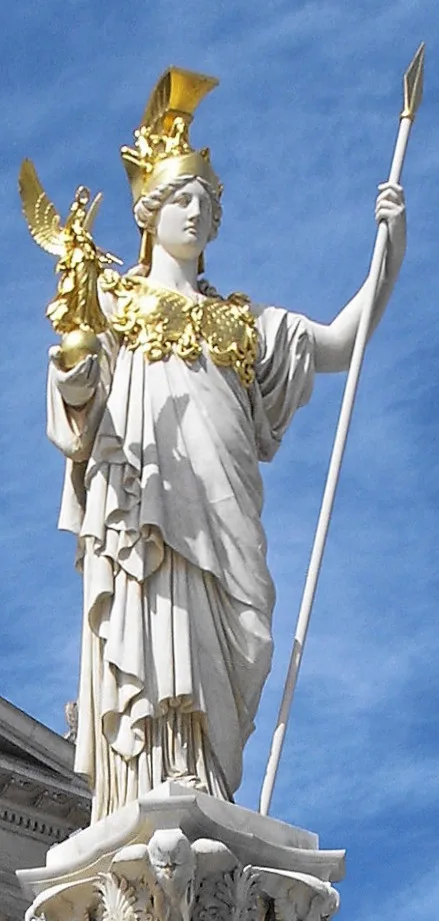
Η Αθηνά είναι μία από τις σημαντικότερες θεότητες του ελληνικού πανθέου και συμβολίζει τη σοφία, τη στρατηγική σκέψη και τη δίκαιη εξουσία. Κόρη του Δία, γεννήθηκε σύμφωνα με τον μύθο από το κεφάλι του, ήδη οπλισμένη με περικεφαλαία, ασπίδα και δόρυ. Η γέννησή της συμβολίζει τη θεϊκή σοφία που προέρχεται απευθείας από τη θεϊκή διάνοια.
Σε αντίθεση με τον Άρη, που αντιπροσωπεύει τη βία και την ακατέργαστη δύναμη του πολέμου, η Αθηνά συμβολίζει τη στρατηγική, την οργάνωση και τη λογική σκέψη. Για τον λόγο αυτό οι αρχαίοι Έλληνες την τιμούσαν ως προστάτιδα των πόλεων, των ηγεμόνων και των ηρώων.
Η θεά συνδέθηκε ιδιαίτερα με την πόλη της Αθήνας, η οποία πήρε το όνομά της από εκείνη. Σύμφωνα με τον μύθο, η Αθηνά κέρδισε την προστασία της πόλης σε διαγωνισμό με τον Ποσειδώνα, προσφέροντας στους ανθρώπους το δέντρο της ελιάς – σύμβολο ειρήνης, σοφίας και ευημερίας.
Η θεά Αθηνά εμπλέκεται ενεργά στη ζωή ανθρώπων και θεών:
Οδηγός ηρώων: Προστάτευσε τον Ηρακλή, τον Περσέα και τον Οδυσσέα, δίνοντάς τους συμβουλές και στρατηγική για να ξεπεράσουν τις δυσκολίες.
Προστάτιδα πόλεων: Η Αθήνα πήρε το όνομά της από την Αθηνά, η οποία χάρισε στους Αθηναίους την πρώτη ελιά ως σύμβολο ειρήνης και ευημερίας.
Προστάτιδα της δικαιοσύνης: Μέσα από τους μύθους, η Αθηνά συμβουλεύει και καθοδηγεί, φέρνοντας ισορροπία και δίκαιο αποτέλεσμα, χωρίς αυθαίρετη τιμωρία.
Σύμβολα και Δυνάμεις της Αθηνάς
Η Αθηνά συνδυάζει δύναμη και σοφία μέσω των συμβόλων της:
Δόρυ και ασπίδα: Αντιπροσωπεύουν τη στρατηγική και την ορθολογική μάχη.
Κράνος: Συμβολίζει τη σοφία και την ετοιμότητα.
Γλαύκα: Το πουλί της σοφίας, που παρατηρεί τα πάντα από ψηλά.
Ελιά: Σύμβολο ειρήνης, ευημερίας και πολιτισμού.
Η Αθηνά είναι η θεά που δείχνει ότι η στρατηγική, η γνώση και η λογική είναι ισχυρότερα όπλα από την ωμή δύναμη.
Ιερά και Λατρεία
Η Αθηνά δεν ήταν απλώς θεά του πολέμου, αλλά σύμβολο πολιτισμού και προόδου. Οι αρχαίοι Έλληνες τη θεωρούσαν προστάτιδα της γνώσης, των τεχνών και της χειροτεχνίας.
Η θεά συνδέθηκε με την ανάπτυξη της φιλοσοφίας, της αρχιτεκτονικής και της επιστήμης, καθώς συμβόλιζε τη δύναμη της λογικής και της δημιουργικής σκέψης.
Για τον λόγο αυτό η Αθηνά παραμένει μέχρι σήμερα μία από τις πιο αναγνωρίσιμες μορφές της ελληνικής μυθολογίας και ένα διαχρονικό σύμβολο σοφίας, στρατηγικής και πολιτισμού.
Η Αθηνά τιμούνταν σε όλη την Ελλάδα, με τα σημαντικότερα ιερά:
Ακρόπολη Αθηνών: Στο ναό του Παρθενώνα τελούνταν θυσίες και η γιορτή Παναθήναια.
Σπάρτη: Προστάτιδα στρατιωτών και πολιτικής σοφίας.
Ολυμπία και άλλες πόλεις: Μικρότερα ιερά που συνέδεαν την Αθηνά με την εκπαίδευση, την τέχνη και τον πολιτισμό.
Η λατρεία της συνέδεε τον πολίτη με την πόλη, τη γνώση και την ηθική τάξη.
Η Γέννηση της Αθηνάς
Η γέννηση της Αθηνάς είναι μοναδική: ο Δίας κατάπιε την έγκυο Μήτιδα φοβούμενος ότι το παιδί της θα τον ξεπερνούσε σε σοφία. Με αυτόν τον τρόπο λέει ο Ησίοδος πετύχαινε δύο σκοπούς: παραμέριζε τον κίνδυνο να εκθρονιστεί λόγω μιας προφητείας και, επίσης καταπίνοντας την Μήτιδα θα μάθαινε τι είναι το καλό και το κακό, και θα αποκτούσε εκείνος όλη την σοφία. Μέσα του, όμως, η Αθηνά μεγάλωνε μέχρι που ένας πονοκέφαλος ανάγκασε τον Δία να ζητήσει τη βοήθεια του Ήφαιστου. Από το κεφάλι του Δία γεννήθηκε η Αθηνά, πλήρως οπλισμένη, κρατώντας δόρυ, ασπίδα και φορώντας κράνος.
Η Αθηνά λέει ο Ομηρικός ύμνος, “ξεπήδησε πάνοπλη από το αθάνατο κεφάλι, πάλλοντας ένα αιχμηρό δόρυ. Ο μεγάλος Όλυμπος σείστηκε σείστηκε από τα θεμέλια του κάτω από το βάρος της γαλανομάτας θεάς, κι ολόγυρα η γη αντιλάλησε από τρομερό βουητό. Αναταράχθηκε και η θάλασσα, και τα σκοτεινά της κύματα υψώθηκαν – αλλά καταλάγιασαν σε λίγο, και ο δοξασμένος γιός του Υπερίωνα κράτησε τα άλογά του, ώσπου η νεαρή παρθένα Παλλάς – Αθηνά έβγαλε από τους ώμους της τα θειικά της όπλα – και ο συνετός Δίας αναγάλλιασε”
Αυτός ο μύθος δεν είναι απλώς εντυπωσιακός· στέλνει το μήνυμα ότι η σοφία και η στρατηγική γεννιούνται από τη λογική και την εμπειρία, όχι από την απλή δύναμη.
Η Αθηνά στη Σύγχρονη Σκέψη
Η Αθηνά συνεχίζει να εμπνέει:
Η σοφία και η στρατηγική ως οδηγός για αποφάσεις.
Η ισορροπία δύναμης και λογικής ως παράδειγμα ηγεσίας.
Η σύνδεση ανθρώπου, πόλης και πολιτισμού ως μάθημα για τη διαχείριση της κοινωνίας.
Στην τέχνη, τη φιλοσοφία και τη λογοτεχνία, η Αθηνά παραμένει σύμβολο της σοφίας που καθοδηγεί τη δράση.
Εκπαιδευτική Σύνοψη
Η Αθηνά είναι η θεά της σοφίας, της στρατηγικής, του πολέμου με δίκαιο σκοπό και της δικαιοσύνης. Μέσα από τους μύθους της, οι αρχαίοι Έλληνες δίδαξαν ότι η γνώση και η λογική μπορούν να καθοδηγήσουν τη δύναμη, η στρατηγική είναι απαραίτητη για την επιτυχία και η σοφία μπορεί να φέρει ειρήνη σε έναν κόσμο γεμάτο χάος.
Ερωτήσεις & Απαντήσεις για την Θεά Αθηνά
Στην ελληνική μυθολογία, η Αθηνά είχε αρκετά σημαντικά ιερά σε όλη την Ελλάδα, καθώς ήταν η θεά της σοφίας, της στρατηγικής, της δικαιοσύνης και της προστασίας των πόλεων. Τα πιο γνωστά και σημαντικά ήταν τα εξής:
Κύρια ιερά της Αθηνάς
Ακρόπολη Αθηνών – Παρθενώνας
Το πιο διάσημο και εμβληματικό ιερό της Αθηνάς.
Στον Παρθενώνα τελούνταν οι μεγάλες θυσίες και η γιορτή των Παναθηναίων, που τιμούσαν την Αθηνά ως προστάτιδα της πόλης.
Η Αθηνά Παρθένος συμβόλιζε τη σοφία, την ειρήνη και την προστασία των Αθηναίων.
Σπάρτη
Ιερά αφιερωμένα στην Αθηνά ως θεά του πολέμου και της στρατηγικής.
Οι Σπαρτιάτες λάτρευαν την Αθηνά για να τους καθοδηγεί στη μάχη και να δίνει σοφές αποφάσεις.
Ολυμπία
Μικρότερα ιερά στην περιοχή, όπου η Αθηνά λατρευόταν μαζί με άλλους Ολύμπιους θεούς.
Σχετιζόταν κυρίως με τη δικαιοσύνη και την ευημερία των πόλεων.
Αρκαδία και Θήβα
Τοπικά ιερά αφιερωμένα στην Αθηνά, όπου οι πιστοί ζητούσαν καθοδήγηση, σοφία και προστασία από κινδύνους.
Άλλα τοπικά ιερά
Πολλές ελληνικές πόλεις είχαν μικρότερα ιερά της Αθηνάς, συνδέοντας τη θεά με την εκπαίδευση, την τέχνη, την πολιτική και την προστασία της κοινότητας.
Η Αθηνά, μέσα από αυτά τα ιερά, συνδέθηκε με την πόλη, τον πολιτισμό, την εκπαίδευση και τη στρατηγική σκέψη, καθιστώντας τη μια από τις πιο σεβαστές και πολυπροσωπικές θεότητες της ελληνικής μυθολογίας.
Η Αθηνά, ως θεά της σοφίας και της στρατηγικής, δεν πολεμούσε με ωμή δύναμη σαν τον Άρη, αλλά συμμετείχε ενεργά σε μάχες παρέχοντας στρατηγικές οδηγίες, σοφία και καθοδήγηση στους ήρωες και τους στρατούς. Στην ελληνική μυθολογία, εμφανίζεται σε αρκετές σημαντικές μάχες και πολεμικές ιστορίες:
Μάχες και στρατιωτική παρέμβαση της Αθηνάς
Τρωικός Πόλεμος
Η Αθηνά ήταν ένθερμη υποστηρίκτρια των Ελλήνων (Ελλήνων Αχαιών).
Οδήγησε στρατηγικά τον Οδυσσέα και τον Αχιλλέα σε κρίσιμες στιγμές.
Έδωσε ιδέες και συμβουλές, όπως για την κατασκευή του Δούρειου Ίππου, που οδήγησε στην πτώση της Τροίας.
Μάχη του Περσικού Πολέμου (μυθολογική αναπαράσταση)
Στους μύθους που αναπαριστούν τις επικές συγκρούσεις Ελλήνων και Περσών, η Αθηνά συχνά εμφανίζεται ως προστάτιδα στρατηγών και πόλεων, παρέχοντας σοφές συμβουλές.
Στήριξη των ηρώων
Η Αθηνά βοήθησε τον Ηρακλή σε αρκετές από τις δώδεκα άθλους του, όπως στον αγώνα με τον Λέοντα της Νεμέας και στον Κερυνίτικο Ελάφι, δίνοντάς του οδηγίες που απαιτούσαν στρατηγική και υπομονή.
Βοήθησε τον Περσέα κατά τη μάχη του με τη Μέδουσα, δίνοντάς του το σπαθί και την ασπίδα, ώστε να την νικήσει χωρίς να κοιτάξει απευθείας.
Στον Οδυσσέα, τον καθοδήγησε και τον προστάτευσε στο ταξίδι του πίσω στην Ιθάκη, ιδίως κατά της Σκύλλας και της Χάρυβδης.
Πολεμικές συγκρούσεις των Ολύμπιων
Στους μύθους για τη σύγκρουση θεών και τιτάνων, η Αθηνά παρείχε στρατηγική υποστήριξη στους Ολύμπιους, ιδίως στον Δία, βοηθώντας στη διατήρηση της κοσμικής τάξης.
Συνοπτικά
Η Αθηνά δεν ήταν «θεά του πολέμου» με τη βία του Άρη, αλλά η θεά της στρατηγικής, της σοφίας και της νίκης μέσω πονηριάς και στρατηγικής σκέψης. Οι μάχες που συμμετείχε δείχνουν ότι η σοφία και η λογική μπορούν να καθορίσουν την έκβαση κάθε πολεμικής σύγκρουσης, και όχι μόνο η σωματική δύναμη.
Συχνές Ερωτήσεις για τη Θεά Αθηνά
Πόσο ισχυρή ήταν η Αθηνά στην ελληνική μυθολογία;
Η Αθηνά θεωρούνταν μία από τις ισχυρότερες θεότητες του Ολύμπου. Συνδύαζε σοφία, στρατηγική και πολεμική δύναμη, ενώ συχνά βοηθούσε ήρωες και πόλεις με θεϊκή καθοδήγηση.
Γιατί η Αθηνά είναι θεά της σοφίας;
Η Αθηνά συνδέεται με τη σοφία επειδή συμβολίζει τη λογική σκέψη, τη γνώση και τη στρατηγική. Στην αρχαία ελληνική παράδοση θεωρούνταν προστάτιδα των φιλοσόφων, των τεχνιτών και των ανθρώπων που χρησιμοποιούσαν τη σκέψη αντί της βίας.
Ποια ήταν τα κύρια όπλα της Αθηνάς;
Τα κύρια όπλα της Αθηνάς ήταν το δόρυ και η ασπίδα της. Συχνά απεικονίζεται να κρατά επίσης την αιγίδα, μια μαγική ασπίδα με το κεφάλι της Μέδουσα.
Ποια ήταν η σχέση της Αθηνάς με τον Δία;
Η Αθηνά ήταν κόρη του Δίας και θεωρούνταν η αγαπημένη του. Ο Δίας την εμπιστευόταν για τη σοφία και τη στρατηγική της και συχνά της ανέθετε σημαντικές αποστολές.
Ποια ήταν η πιο γνωστή ιστορία της Αθηνάς;
Μία από τις πιο γνωστές ιστορίες είναι η διαμάχη της με τον Ποσειδώνας για την προστασία της πόλης της Αθήνα. Η Αθηνά κέρδισε προσφέροντας την ελιά στους κατοίκους.
Ποια ήταν η σχέση της Αθηνάς με την κουκουβάγια;
Η κουκουβάγια ήταν το ιερό ζώο της Αθηνάς και συμβόλιζε τη σοφία και τη γνώση. Στην αρχαία Ελλάδα η εικόνα της εμφανιζόταν συχνά σε νομίσματα και αγγεία.
Γιατί η Αθηνά ονομάζεται Παλλάδα Αθηνά;
Το επίθετο «Παλλάδα» χρησιμοποιείται συχνά για να τιμήσει τη θεά. Στην αρχαία ελληνική γραμματεία το όνομα συνδέεται με μύθους που τονίζουν τη δύναμη και τη σοφία της.
Ποιοι ήταν οι σημαντικότεροι ναοί της Αθηνάς;
Ο σημαντικότερος ναός της ήταν ο Παρθενώνας στην Αθήνα, αφιερωμένος στην Αθηνά Παρθένο.
Ποια ήταν η Αθηνά Παρθένος;
Η Αθηνά Παρθένος είναι μια μορφή της θεάς που τονίζει την αγνότητα και την ανεξαρτησία της. Το διάσημο άγαλμα της Αθηνάς Παρθένου δημιουργήθηκε από τον Φειδίας.
Ποια είναι η διαφορά της Αθηνάς από τον Άρη;
Η Αθηνά εκπροσωπεί τη στρατηγική και τη σοφία στον πόλεμο, ενώ ο Άρης συμβολίζει τη βία, το χάος και τη δύναμη της μάχης.
Ποιες εφευρέσεις αποδίδονται στην Αθηνά;
Σύμφωνα με την παράδοση, η Αθηνά δίδαξε στους ανθρώπους πολλές τέχνες, όπως την υφαντική, την αγγειοπλαστική και την κατασκευή εργαλείων.
Ποια ήταν η σχέση της Αθηνάς με τους ήρωες;
Η Αθηνά βοηθούσε πολλούς ήρωες της μυθολογίας, όπως τον Οδυσσέας και τον Περσέας, δίνοντάς τους συμβουλές και προστασία.
Γιατί η Αθηνά συνδέεται με την ελιά;
Η ελιά είναι σύμβολο της Αθηνάς επειδή, σύμφωνα με τον μύθο, η θεά χάρισε το πρώτο ελαιόδεντρο στους ανθρώπους, προσφέροντας τροφή, λάδι και ξύλο.
Πού κατοικούσε η Αθηνά σύμφωνα με τη μυθολογία;
Η Αθηνά κατοικούσε στον Όλυμπος μαζί με τους υπόλοιπους θεούς της ελληνικής μυθολογίας.
Γιατί η Αθηνά θεωρείται προστάτιδα των πόλεων;
Η Αθηνά θεωρούνταν προστάτιδα των πόλεων επειδή συμβόλιζε τη σοφία, τη δικαιοσύνη και την οργανωμένη κοινωνία. Οι αρχαίοι Έλληνες πίστευαν ότι η θεά προστάτευε την πολιτική τάξη και τον πολιτισμό.
ΘΕΟΙ ΤΟΥ ΟΛΥΜΠΟΥ
ΔΙΑΣ | ΗΡΑ | ΑΘΗΝΑ | ΑΡΗΣ | ΑΡΤΕΜΙΣ | ΔΙΟΝΥΣΟΣ | ΕΡΜΗΣ | ΑΔΗΣ | ΑΠΟΛΛΩΝΑΣ | ΠΟΣΕΙΔΩΝΑΣ | ΗΦΑΙΣΤΟΣ | ΑΦΡΟΔΙΤΗ
Μερικά λιγότερο γνωστά στοιχεία για την θεά Αθηνά >
Ποιος είναι ο Έλληνας θεός της γνώσης; >
Ολύμπιοι Θεοί: Οι 12 Θεοί του Ολύμπου στην Ελληνική Μυθολογία >
Σου αρέσει η Αθηνά; Δες επιλεγμένα κοσμήματα εμπνευσμένα από την ελληνική μυθολογία. >