
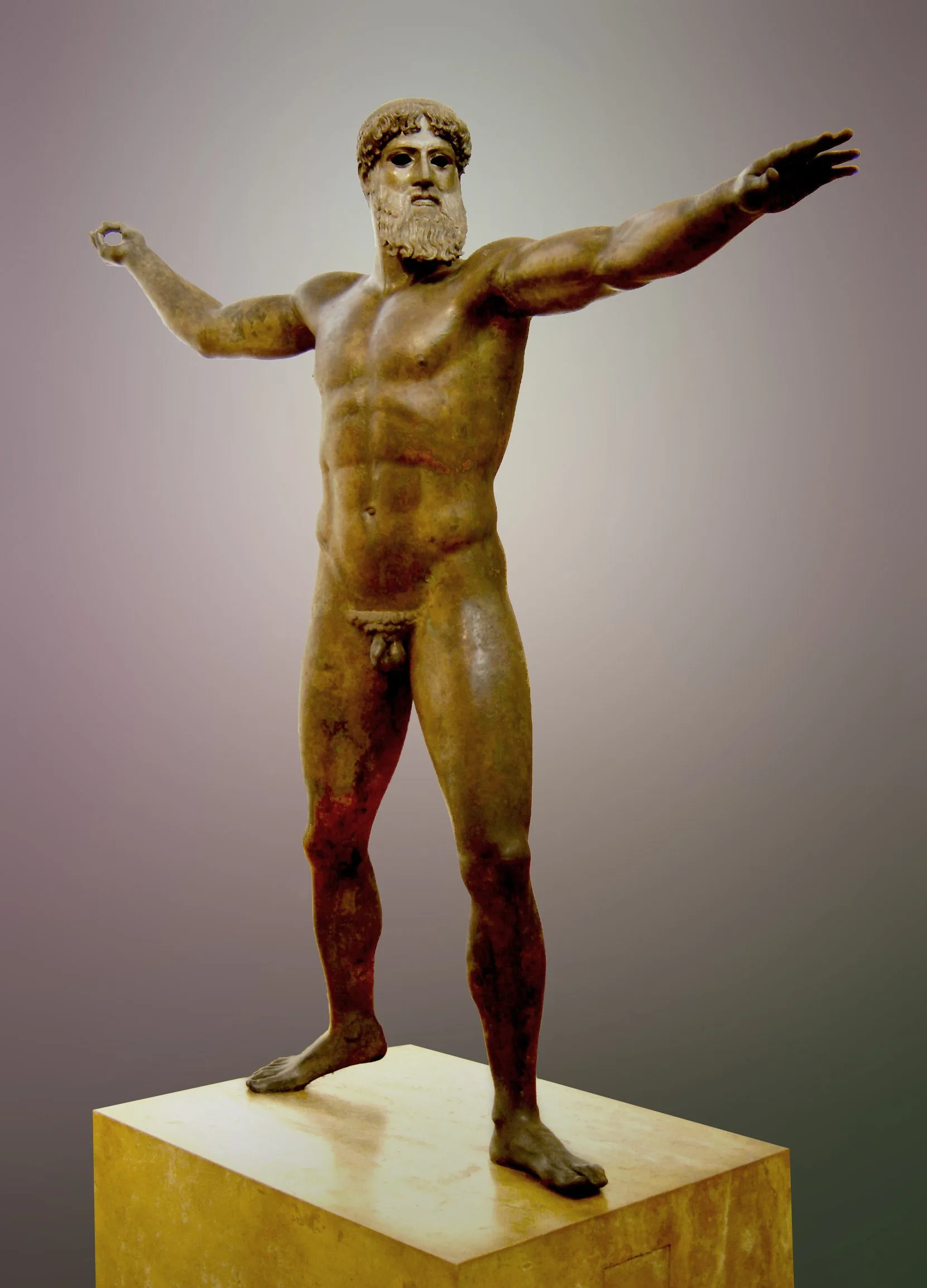
Ο Δίας βρίσκεται στην κορυφή της ελληνικής μυθολογίας. Για τους αρχαίους Έλληνες, ήταν ο βασιλιάς των θεών — ο κυρίαρχος του ουρανού, του κεραυνού, της βροντής, εκείνος που κρατούσε στα χέρια του την τάξη του σύμπαντος. Οι μύθοι τον φέρνουν παντού: πότε προστατεύει τη δικαιοσύνη με αυστηρότητα, πότε μπαίνει απρόβλεπτα στη μέση — δυναμικός, έτοιμος να ταράξει τις ζωές θεών και ανθρώπων.
Στο μυαλό των ανθρώπων εκείνης της εποχής, ο Δίας δεν ήταν απλώς ο πιο δυνατός θεός. Ήταν η ίδια η δύναμη που κρατούσε τον κόσμο σε ισορροπία. Η τάξη στον Όλυμπο, η νομιμότητα στις ανθρώπινες κοινωνίες, το δικαίωμα του ξένου, η τήρηση των όρκων, η αποκατάσταση της δικαιοσύνης όταν χάνονταν — όλα περνούσαν από τις αποφάσεις του.
Βασικά στοιχεία
Γενεαλογικό Δέντρο του Δία
| Γονείς | Κρόνος και Ρέα |
|---|---|
| Συνεργάτης / ερωτικές ενώσεις | Ήρα, Μήτις, Θέμις, Αλκμήνη, Δήμητρα, Διώνη, Ευρυνόμη, Λητώ, Μνημοσύνη |
| Αδέλφια | Εστία, Άδης, Ήρα, Ποσειδώνας, Δήμητρα |
| Απόγονοι | Αιακός, Άγδιστης, Άγγελος, Αφροδίτη, Απόλλωνας, Άρης, Άρτεμις, Αθηνά, Βριτόμαρτις, Διόνυσος, Ειλείθυια, Ένυο, Έπαφος, Έρις, Έρσα, Ήβη, Ελένη της Τροίας, Ήφαιστος, Ηρακλής, Ερμής, Λακεδαίμονας, Μελινόη, Περσεφόνη, Ραδάμανθος, Ζαγρέας, οι Χάριτες, οι Ώρες, οι Λίτες, οι Μούσες, οι Μοίρες |
Ονόματα & Άλλα Στοιχεία
| Ρωμαϊκό όνομα | Jupiter |
|---|---|
| Άλλα ονόματα | Ολύμπιος, Ξένιος και πολλά ακόμη επίθετα |
| Αρχαία ελληνικά | Δίας / Ζεύς |
| Θεός του | Βροντής, ουρανού, αστραπής, καιρού, πεπρωμένου, νόμου και τάξης |
| Σύμβολα | Κεραυνός, αετός, ταύρος, βελανιδιά |
Όνομα και Ετυμολογία
Το όνομα Δίας συνδέεται με μια πολύ αρχαία ινδοευρωπαϊκή ρίζα, dyeu-, που σημαίνει «λαμπρός ουρανός», «φως της ημέρας» ή «ουράνιος θεός». Από την ίδια γλωσσική οικογένεια προέρχονται και άλλες θεότητες του ουρανού σε διαφορετικούς πολιτισμούς.
Η ετυμολογία αυτή είναι αποκαλυπτική. Ο Δίας δεν είναι απλώς θεός που κατοικεί στον ουρανό· είναι ο ίδιος η ουράνια δύναμη που φωτίζει, επιβλέπει και εξουσιάζει τον κόσμο από ψηλά. Στην αρχαία ελληνική γλώσσα συναντάται και ως Ζεύς, μορφή που χρησιμοποιείται συχνά στη λογοτεχνία, στην ποίηση και στις λατρευτικές επιγραφές.
Η καταγωγή και η οικογένεια
Ο Δίας ήταν γιος του Τιτάνα Κρόνου και της Ρέας. Σύμφωνα με τον γνωστό μύθο, ο Κρόνος είχε πληροφορηθεί ότι ένα από τα παιδιά του θα τον ανέτρεπε. Για να αποτρέψει αυτή την προφητεία, κατάπινε κάθε παιδί μόλις γεννιόταν.
Όταν γεννήθηκε ο Δίας, η Ρέα αποφάσισε να τον σώσει. Τύλιξε μια πέτρα με σπάργανα και την έδωσε στον Κρόνο, ο οποίος την κατάπιε χωρίς να αντιληφθεί την απάτη. Το βρέφος μεταφέρθηκε κρυφά στην Κρήτη, όπου ανατράφηκε σε ασφαλές καταφύγιο.
Οι παραδόσεις για την ανατροφή του διαφέρουν. Σε μία εκδοχή, τον φρόντιζε η κατσίκα Αμάλθεια, ενώ οι Κουρήτες χτυπούσαν τις ασπίδες τους ώστε να καλύπτουν το κλάμα του παιδιού. Το επεισόδιο αυτό υπογραμμίζει ότι η επιβίωση του Δία ήταν από την αρχή συνδεδεμένη με τη μοίρα του κόσμου.
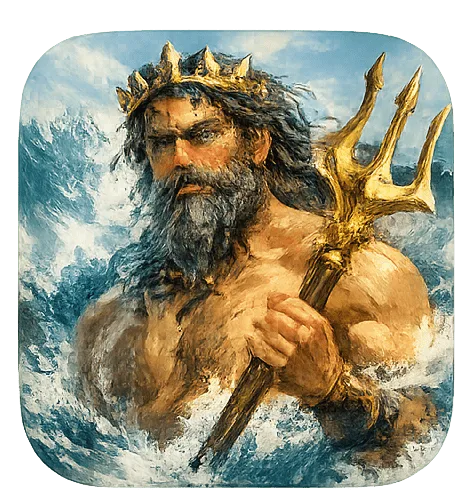
Όταν ενηλικιώθηκε, ο Δίας ανάγκασε τον Κρόνο να ελευθερώσει τα αδέλφια του. Έπειτα ενώθηκε μαζί τους και ξεκίνησε τον μεγάλο αγώνα εναντίον των Τιτάνων — την Τιτανομαχία. Μετά τη νίκη, οι τρεις αδελφοί μοίρασαν την εξουσία: ο Δίας πήρε τον ουρανό, ο Ποσειδώνας τη θάλασσα και ο Άδης τον κάτω κόσμο.
Οι Εραστές
Η μυθολογία παρουσιάζει τον Δία ως θεό με πολλές ερωτικές σχέσεις. Αυτές οι ενώσεις δεν εμφανίζονται μόνο ως προσωπικές επιθυμίες· συχνά εξηγούν τη γέννηση σημαντικών θεών, ηρώων και βασιλικών γενών.
Ήρα
Η Ήρα ήταν η νόμιμη σύζυγός του και βασίλισσα των θεών. Ο γάμος τους θεωρούνταν ιερό πρότυπο, αν και οι μύθοι τον παρουσιάζουν συχνά ταραγμένο εξαιτίας των πολλών δεσμών του Δία.
Μήτις
Η Μήτις, θεότητα της σοφίας και της φρόνησης, ήταν μία από τις πρώτες συντρόφους του. Όταν προφητεύθηκε ότι το παιδί της θα ξεπερνούσε τον πατέρα του, ο Δίας την κατάπιε. Αργότερα, από το κεφάλι του γεννήθηκε η Αθηνά.
Λητώ
Από την ένωση με τη Λητώ γεννήθηκαν ο Απόλλων και η Άρτεμη. Η Ήρα καταδίωξε τη Λητώ, όμως εκείνη τελικά βρήκε καταφύγιο στη Δήλο.
Μαία
Η Μαία, μία από τις Πλειάδες, έγινε μητέρα του Ερμή.
Σεμέλη
Η θνητή πριγκίπισσα Σεμέλη έγινε μητέρα του Διονύσου. Ο μύθος της είναι από τους πιο συγκινητικούς, καθώς η Σεμέλη πέθανε όταν ζήτησε να δει τον Δία στην πλήρη θεϊκή του μορφή.
Αλκμήνη
Από την Αλκμήνη γεννήθηκε ο Ηρακλής, ένας από τους μεγαλύτερους ήρωες της ελληνικής μυθολογίας.
Ευρώπη
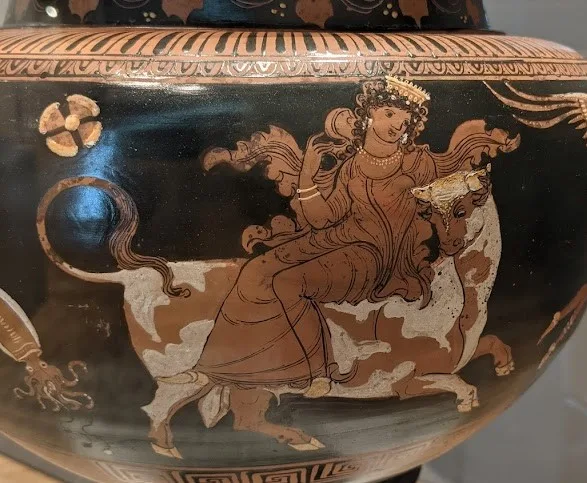
Ο Δίας μεταμορφώθηκε σε λευκό ταύρο και απήγαγε την Ευρώπη στην Κρήτη.
Δανάη
Με τη μορφή χρυσής βροχής ο Δίας έφτασε στη Δανάη. Από αυτή την ένωση γεννήθηκε ο Περσέας.
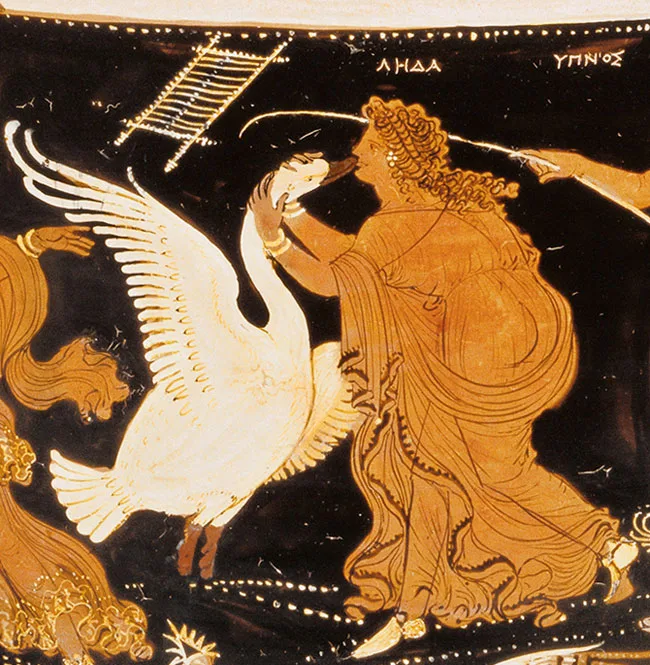
Λήδα
Ο μύθος αφηγείται ότι ο Δίας πλησίασε τη Λήδα με μορφή κύκνου.
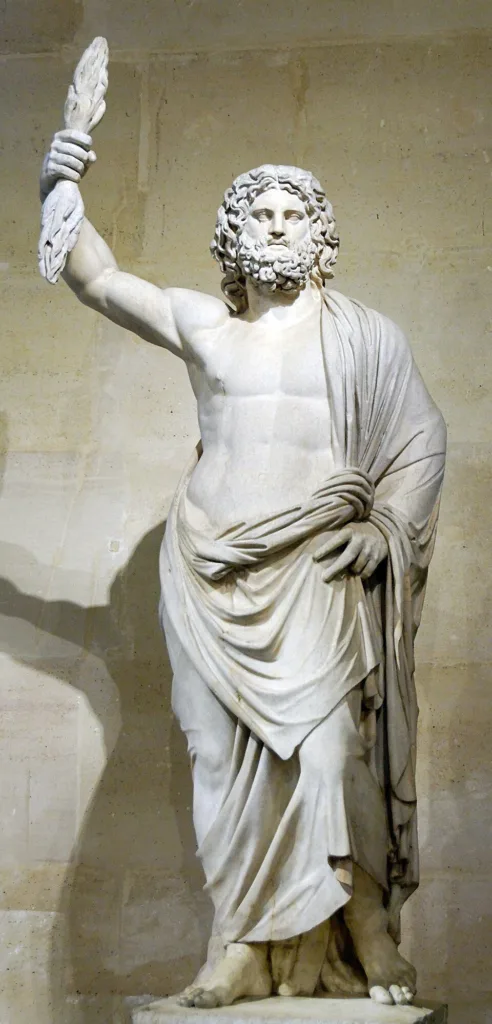
Η εμφάνιση
Στην τέχνη και στη λογοτεχνία ο Δίας παρουσιάζεται ως ώριμος, επιβλητικός άνδρας με δυνατή σωματική διάπλαση. Συνήθως έχει μακριά μαλλιά και πυκνή γενειάδα. Το πρόσωπό του αποπνέει κύρος, σοβαρότητα και ηρεμία.
Συχνά εικονίζεται καθισμένος σε θρόνο, κρατώντας σκήπτρο ή κεραυνό. Άλλες φορές στέκεται όρθιος, έτοιμος να εξαπολύσει τη θεϊκή του δύναμη. Η μορφή του συνδυάζει δύναμη και βασιλική αξιοπρέπεια.
Η προσωπικότητα
Η προσωπικότητα του Δία είναι σύνθετη. Από τη μία πλευρά εμφανίζεται ως δίκαιος κριτής, προστάτης των νόμων και εγγυητής της τάξης. Από την άλλη, οι μύθοι τον παρουσιάζουν συχνά παρορμητικό, ερωτικά ανήσυχο και κάποιες φορές αυστηρό ή εκδικητικό.
Αυτή η διπλή όψη είναι ουσιαστική για την κατανόηση της ελληνικής μυθολογίας. Οι θεοί δεν ήταν αφηρημένες ηθικές έννοιες. Είχαν βούληση, επιθυμίες, αδυναμίες και αντιφάσεις — στοιχεία που τους έκαναν πιο κοντινούς στην ανθρώπινη εμπειρία.
Οι Δυνάμεις
Η κυριότερη δύναμη του Δία ήταν ο κεραυνός, όπλο που του χάρισαν οι Κύκλωπες. Με αυτόν μπορούσε να τιμωρεί, να επιβάλλει τάξη και να επιβεβαιώνει την ανώτατη εξουσία του.
Άλλες σημαντικές δυνάμεις του ήταν:
- έλεγχος του ουρανού, της βροχής και των καταιγίδων
- επιτήρηση όρκων και συμφωνιών
- προστασία της δικαιοσύνης και της φιλοξενίας
- εξουσία πάνω στους άλλους θεούς
- ικανότητα μεταμόρφωσης σε ζώα, φυσικά φαινόμενα ή ανθρώπινες μορφές
Η δυνατότητα μεταμόρφωσης εμφανίζεται συχνά στους μύθους και δείχνει την ελευθερία του θεού να υπερβαίνει τα φυσικά όρια.
Ιερά Σύμβολα
Κεραυνός
Το πιο χαρακτηριστικό σύμβολο του Δία. Εκφράζει άμεση, ακαριαία και αδιαμφισβήτητη δύναμη.
Σκήπτρο
Συμβολίζει τη βασιλική εξουσία και την κυριαρχία στον Όλυμπο.
Θρόνος
Αποδίδει τη θέση του ως ανώτατου κυβερνήτη των θεών.
Ιερά ζώα και φυτά
Αετός
Ο αετός είναι το ιερότερο ζώο του Δία. Συνδέεται με την οξύτητα της όρασης, την υπεροχή και την ουράνια δύναμη.
Ταύρος
Ο ταύρος εμφανίζεται σε αρκετούς μύθους και συμβολίζει δύναμη, γονιμότητα και βασιλική ισχύ.
Βελανιδιά
Το ιερό δέντρο του Δία ήταν η βελανιδιά. Το θρόισμα των φύλλων της θεωρούνταν συχνά φορέας θεϊκών σημάτων, ιδιαίτερα στη Δωδώνη.
Ρόλοι και Ευθύνες
Ο Δίας είχε πολυδιάστατο ρόλο στην ελληνική θρησκευτική σκέψη.
Προστάτης της δικαιοσύνης
Επιτηρούσε τη σωστή απονομή του δικαίου και την τιμωρία της ύβρεως.
Προστάτης της φιλοξενίας
Με την ιδιότητα Ξένιος Ζευς, προστάτευε τον ξένο, τον ταξιδιώτη και τον φιλοξενούμενο. Η παραβίαση της φιλοξενίας θεωρούνταν σοβαρό παράπτωμα.
Εγγυητής των όρκων
Οι όρκοι είχαν ιερή βαρύτητα και η ψευδορκία μπορούσε να προκαλέσει θεϊκή τιμωρία.
Ρυθμιστής της κοσμικής τάξης
Πάνω από όλα, ο Δίας διατηρούσε την ισορροπία ανάμεσα σε θεούς, ανθρώπους και μοίρα.
Μύθοι για τον Δία
Η Τιτανομαχία
Μετά την απελευθέρωση των αδελφών του, ο Δίας ηγήθηκε του μεγάλου πολέμου εναντίον των Τιτάνων. Η νίκη του σηματοδότησε τη μετάβαση από την παλαιά στην νέα θεϊκή τάξη.
Η Γιγαντομαχία
Οι Γίγαντες επιχείρησαν να ανατρέψουν τους Ολύμπιους θεούς. Ο Δίας πρωταγωνίστησε στη μάχη, υπερασπιζόμενος τη νέα κοσμική ισορροπία.
Ο Προμηθέας
Όταν ο Προμηθέας χάρισε τη φωτιά στους ανθρώπους, ο Δίας τον τιμώρησε. Ο μύθος αυτός εξερευνά τα όρια ανάμεσα στη θεϊκή εξουσία και την ανθρώπινη πρόοδο.
Ο κατακλυσμός του Δευκαλίωνα
Σε ορισμένες παραδόσεις, ο Δίας προκάλεσε μεγάλο κατακλυσμό για να καθαρθεί η ανθρωπότητα από την αδικία και τη διαφθορά.
Θρησκευτική λατρεία
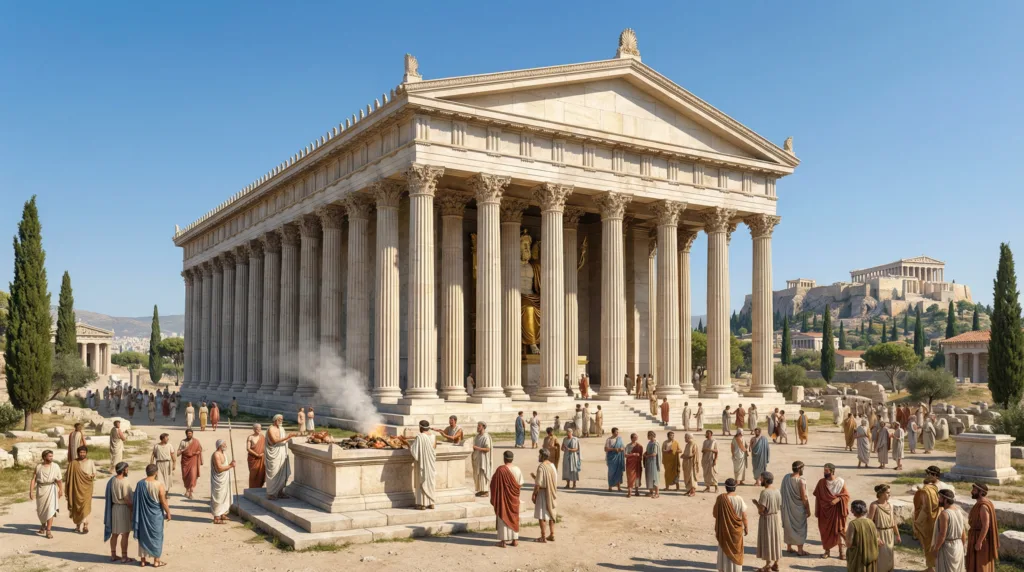
Η λατρεία του Δία ήταν από τις πιο διαδεδομένες στον ελληνικό κόσμο. Ναοί, ιερά και βωμοί αφιερωμένοι σε αυτόν υπήρχαν σε πολλές πόλεις.
Ολυμπία
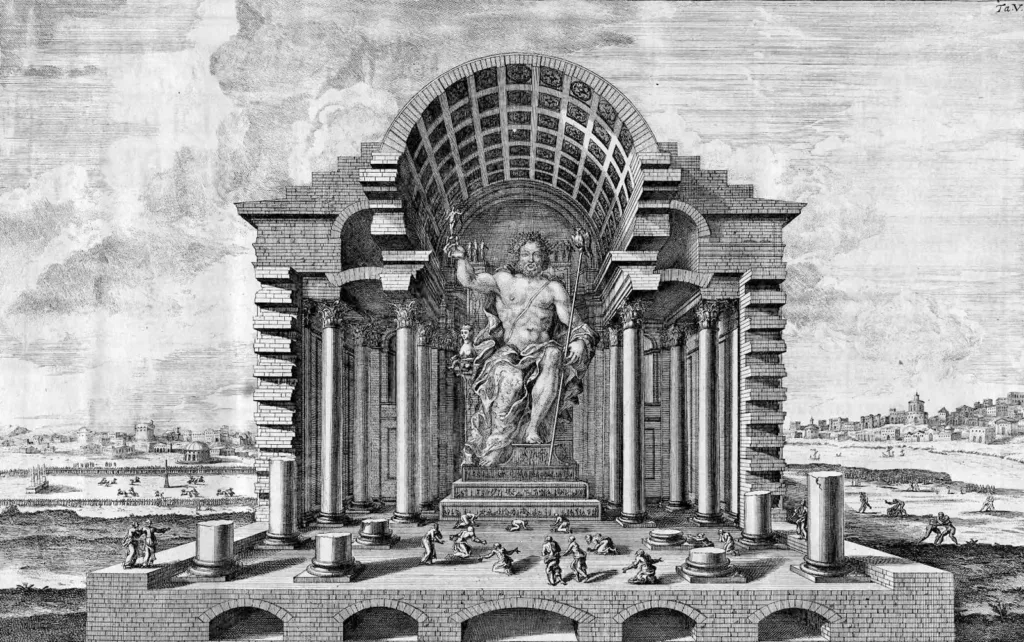
Η Ολυμπία υπήρξε ένα από τα σημαντικότερα κέντρα λατρείας. Εκεί βρισκόταν το περίφημο χρυσελεφάντινο άγαλμα του Δία, έργο του Φειδία, ένα από τα επτά θαύματα του αρχαίου κόσμου.
Δωδώνη
Στη Δωδώνη λειτουργούσε ένα από τα αρχαιότερα ελληνικά μαντεία. Οι ιερείς ερμήνευαν το θρόισμα των φύλλων της ιερής βελανιδιάς.
Επίκλησεις του Δία
Ο Δίας λατρευόταν με πολλές τοπικές και λειτουργικές μορφές:
- Ξένιος – προστάτης φιλοξενίας
- Όρκιος – προστάτης των όρκων
- Σωτήρ – σωτήρας και προστάτης
- Πολιεύς – προστάτης της πόλης
Αυτό δείχνει πόσο βαθιά ενσωματωμένος ήταν στην καθημερινή ζωή.
Αναπαραστάσεις στην Τέχνη
Ο Δίας υπήρξε μία από τις πιο αγαπητές μορφές της αρχαίας τέχνης. Εμφανίζεται σε αγγεία, ανάγλυφα, νομίσματα, γλυπτά και τοιχογραφίες.
Στα αρχαϊκά έργα αποδίδεται με ένταση και κίνηση. Στην κλασική εποχή κυριαρχεί η ήρεμη μεγαλοπρέπεια. Η μορφή του γίνεται πρότυπο ανδρικής εξουσίας και θεϊκής ισορροπίας.
Το άγαλμα του Φειδία στην Ολυμπία επηρέασε βαθιά την εικονογραφία του. Από τότε ο Δίας καθιερώθηκε ως καθιστός, γενειοφόρος, επιβλητικός άρχοντας.
Αναφορές για τον Δία
«Ζευς, πρώτη αιτία, πρωταρχική κινητήρια δύναμη· τι πράγμα γίνεται μεταξύ των θνητών χωρίς τον Ζευς;»
― Αισχύλος, «Αγαμέμνονας»
Αρχαίες πηγές
Ησίοδος – Θεογονία & Έργα και Ημέραι | Πρωτογενείς Πηγές
Πρωτογενείς Πηγές Ελληνικής Μυθολογίας | Ησίοδος, Όμηρος, Ορφικοί Ύμνοι
Πρωτογενείς Πηγές της Ελληνικής Μυθολογίας | Αρχαία Κείμενα
Perseus Digital Library είναι μια αξιόπιστη ακαδημαϊκή βάση δεδομένων με αρχαία ελληνικά κείμενα και ιστορικές πηγές, ιδιαίτερα χρήσιμη για τη μελέτη της ελληνικής μυθολογίας και των Ελευσίνιων Μυστηρίων.
Συχνές ερωτήσεις
Ποιος ήταν ο Δίας;
Ο Δίας ήταν ο βασιλιάς των θεών στην ελληνική μυθολογία και κυρίαρχος του ουρανού, του κεραυνού και της κοσμικής τάξης.
Ποιοι ήταν οι γονείς του;
Ήταν γιος του Κρόνου και της Ρέας.
Ποιο ήταν το ιερό ζώο του;
Το ιερότερο ζώο του ήταν ο αετός.
Ποιο ήταν το κύριο όπλο του;
Ο κεραυνός.
Πού λατρευόταν περισσότερο;
Στην Ολυμπία και στη Δωδώνη, αλλά και σε πολλές άλλες πόλεις του ελληνικού κόσμου.
Γιατί ήταν τόσο σημαντικός;
Επειδή θεωρούνταν εγγυητής της δικαιοσύνης, της φιλοξενίας, των όρκων και της συνολικής ισορροπίας του κόσμου.
Πηγές
- Ησίοδος, Θεογονία
- Όμηρος, Ιλιάδα και Οδύσσεια
- Απολλόδωρος, Βιβλιοθήκη
- Παυσανίας, Ελλάδος Περιήγησις
- Walter Burkert, Greek Religion
- Karl Kerényi, The Gods of the Greeks
Ο Δίας παραμένει μία από τις πιο αναγνωρίσιμες μορφές της ελληνικής μυθολογίας. Δεν συμβολίζει μόνο τη δύναμη του ουρανού, αλλά και την ανθρώπινη ανάγκη να υπάρξει τάξη μέσα στο χάος. Για τους αρχαίους Έλληνες ήταν ο θεός που επέβλεπε τον κόσμο, προστάτευε τον νόμο και διατηρούσε την εύθραυστη ισορροπία ανάμεσα στη δύναμη, τη δικαιοσύνη και τη μοίρα.
Οι αρχαίοι συγγραφείς έχουν αποδώσει στον Δία μια σειρά από ερωτικές περιπέτειες που εμφανίζουν αυτόν τον θεό σαν τον πιο ακόλαστο πλάσμα που μπορεί κανείς να φανταστεί. Κανένα εμπόδιο δεν τον σταματούσε προκειμένου να πραγματοποιήσει τις επιθυμίες του. Θεές και θνητές καμία γυναίκα που ήθελε δεν ξέφευγε. έτσι γεννήθηκαν ένα πλήθος από θεούς θεές και ήρωες που οι ιστορίες τους αποτελούν ένα μεγάλο κομμάτι της Ελληνικής μυθολογίας.
Διάβασε επίσης
ΘΕΟΙ ΤΟΥ ΟΛΥΜΠΟΥ
ΔΙΑΣ | ΗΡΑ | ΑΘΗΝΑ | ΑΡΗΣ | ΑΡΤΕΜΙΣ | ΔΙΟΝΥΣΟΣ | ΕΡΜΗΣ | ΑΔΗΣ | ΑΠΟΛΛΩΝΑΣ | ΠΟΣΕΙΔΩΝΑΣ | ΗΦΑΙΣΤΟΣ | ΑΦΡΟΔΙΤΗ