
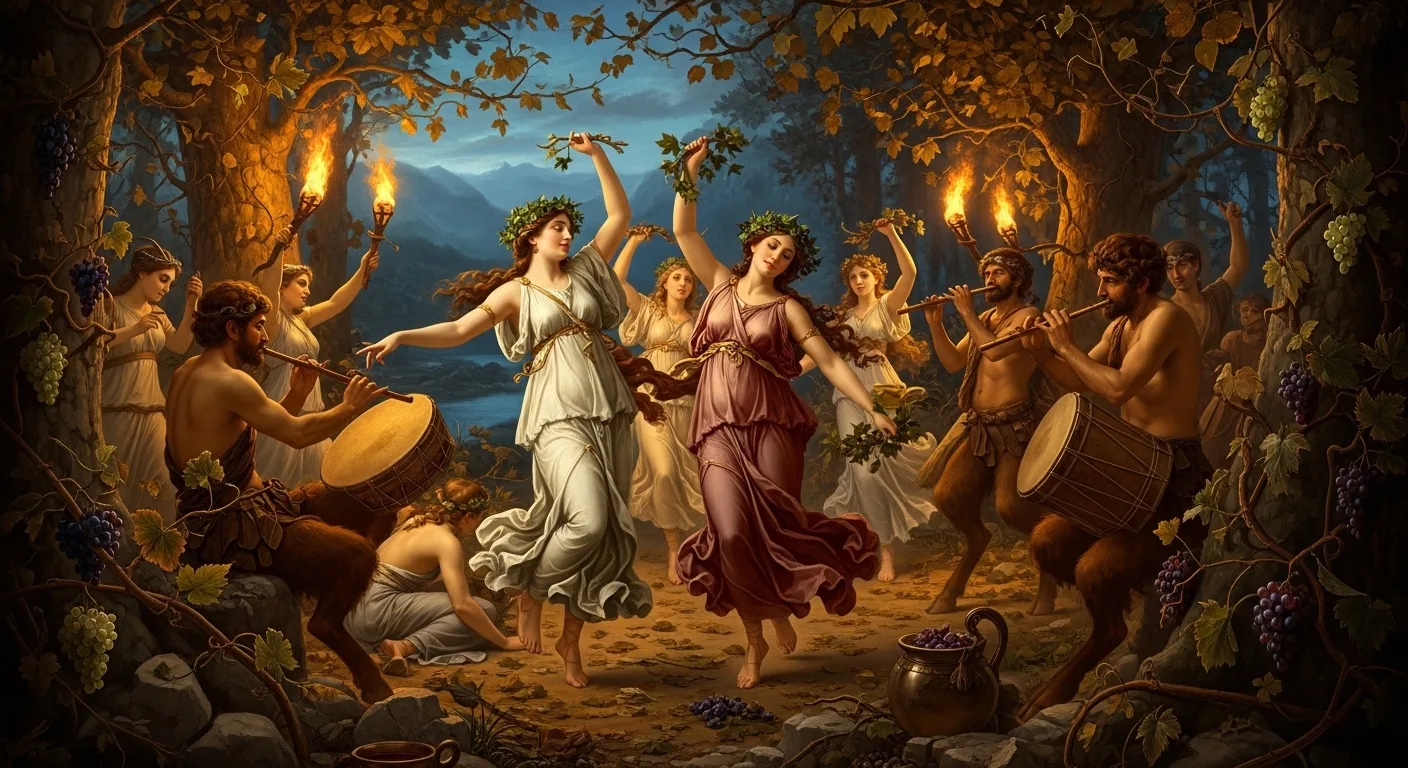
Greek mythology is one of the most fascinating and influential mythological traditions in the world. Filled with powerful gods, brave heroes, and legendary creations, these ancient stories have shaded literature, art, and culture for thousands of years. Today, Greek mythology remains essential for understanding the origins of Western storytelling and thought.
What Is Greek Mythology?
Greek mythology is the collection of myths and legends created by the people of ancient Greece. These stories were used to explore natural events, human behavior, and the mysteries of life and death. Rather than being a fixed realistic text, mythology evolved through oral storytelling and was later written down by poets such as Homer and Hesiod.
These myths were deeply connected to relagion, but they also served as entertainment and moral guidance.
The Creation of the World in Greek Mythology
According to Greek creation myths, the universe began with Chaos, an empty and formless void. From Chaos came the first primary beings, including Gaia (Earth), Tartarus (the underworld), and Eros (love).
Gaia gave birth to Uranus (the sky), and together they created the Titans. The Titans ruled the universe until they were overthrown by the Olympian gods in a cosmic battle known as the Titanomachy. This marked the beginning of the age of the gods of Mount Olympus.
The Olympian Gods and Their Powers
The Olympian Gods They are the central figures of Greek mythology. They live on Mount Olympus and controlled different aspects of the world. These gods were immortal but displayed very human emotions such as jealousy, love, anger, and Pride.
Greek Heroes and Epic Legends
Greek mythology is famous for its heroic figures—mortals or demigods who achieved greatness through course and strength. These heroes often captured impossible challenges and dangerous Monsters.
Famous Greek Heroes
- Heracles (Hercules) – Completed the Twelve Labors
- Perseus – Defeated Medusa and retrieved Andromeda
- Theseus – Killed the Minotaur in the Labyrinth
- Odysseus – Know about his long and stealer Journey home after the Trojan War
- Achilles – The Greatest Warrior of the Trojan War
These myths explore these such as heroism, fate, honor, and the limits of human power.
Monsters and Creatures in Greek Mythology
Greek mythology includes many terrifying and symbolic creations. These Monsters often represented chaos, Danger, or the unknown.
Famous Mythological Creatures
- Medusa – A Gorgon who turned people to stone
- Minotaur – Half-man, half-bull creation in the Labyrinth
- Cerberus – Three-headed dog guarding the underworld
- Hydra – Multi-headed serpent that regrew its heads
- Cyclopes – Giant one-eyed beings
Encounters with these creations often tested the strength and intelligence of heroes.
The Trojan War: A Legendary Conflict
The Trojan War is one of the most important stories in Greek mythology. It becomes when Paris of Troy took Helen, the wife of a Greek king, leading to a massive war between the Greeks and the Trojans.
This legendary conflict is told in epic works like the Iliad and the OdysseyIt features famous figures such as Achilles, Hector, and Odysseus, as well as the stealer use of the Trojan Horse to win the war.
Fate, Destiny, and the Role of the Gods
Fate plays a central role in Greek mythology. The Moirai, or Fates, controlled the destiny of both gods and humans. No one could complete their fake.
The gods often intervened in human lives, influencing battles, relationshipships, and outcomes. Their actions reflected the relief that Divine forces damaged the world in powerful and unpredictable ways.
Why Greek Mythology Still Matters Today
Greek mythology continues to influence modern culture, including books, movies, and everyday language. Phrases like "Achilles' heel" and "Herculean efort" come directly from these ancient stories.
Studying Greek mythology helps us understand ancient Greek culture, values, and beliefs, while also offering timeless lacks about human nature.
Conclusion
Greek mythology is more than just ancient storytelling—It is a foundation of Western culture. Through myths about gods, heroes, and monsters, it explores universal themsuch as love, power, fate, and ambition.
When you are learning about mythology for the first time or revisiting familiar stories, Greek mythology remains a powerful and engaging subject that continues to inspire people around the world.
Keywords
Greek mythology, Greek gods, ancient Greek myths, Olympian gods, Greek heroes, Trojan War, Greek mythological creations, Zeus, Athena, Hercules, myths of ancient Greece
????️ Explore him fully Mythology Guide in our collection.