
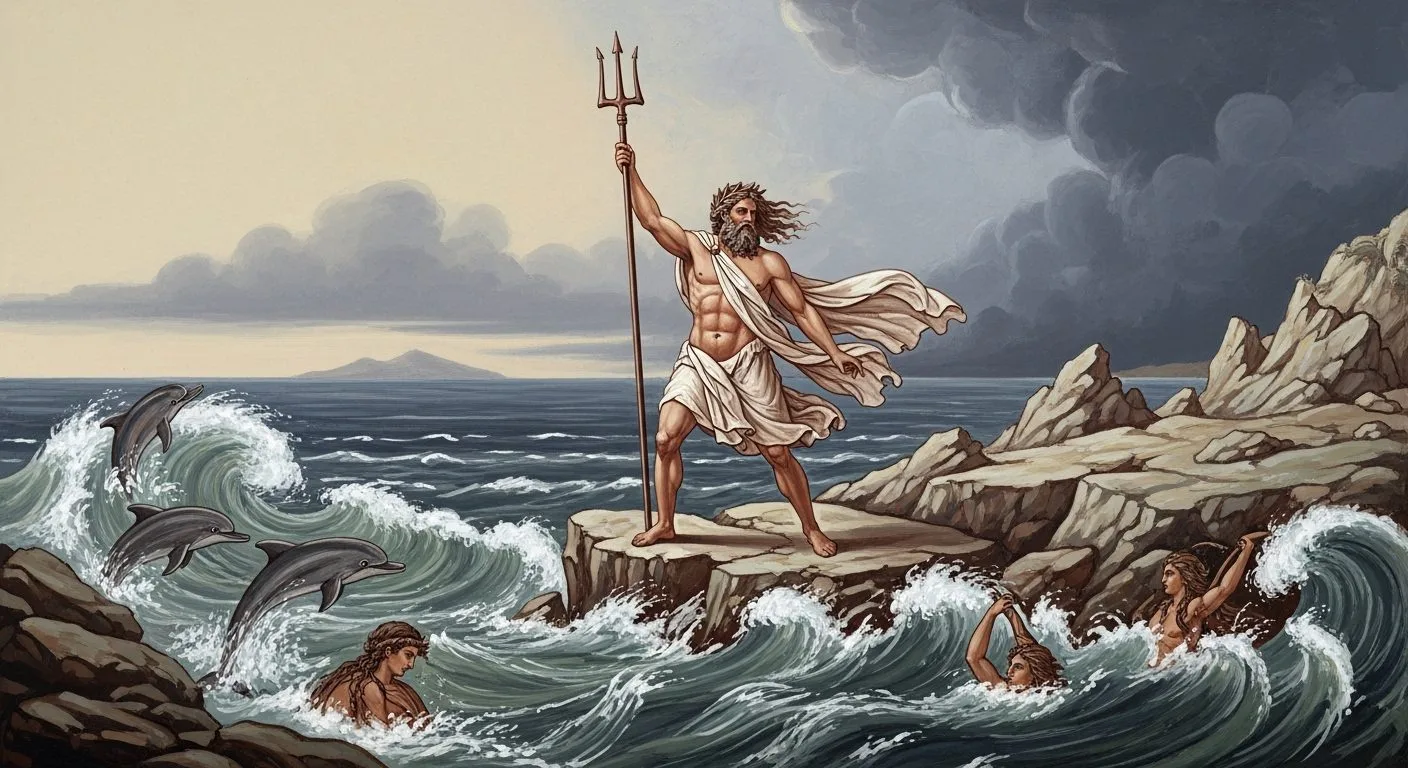
Ο Ποσειδώνας είναι ο θεός της θάλασσας, των σεισμών και των αλόγων στην ελληνική μυθολογία, αδελφός του Δία και του Άδη. Κυβερνά τα νερά από το παλάτι του στον βυθό και κρατά την χαρακτηριστική τρίαινα, με την οποία προκαλεί καταιγίδες και σεισμούς.
Στους μύθους εμφανίζεται δυναμικός και συχνά οργισμένος, τιμωρώντας όσους τον προσβάλλουν, όπως στην περίπτωση του Οδυσσέα. Ήταν ιδιαίτερα σημαντικός για τους ναυτικούς και λατρευόταν σε όλη την αρχαία Ελλάδα, με γνωστά ιερά όπως στο Σούνιο.
Ο Ποσειδώνας αποτελεί έναν από τους σημαντικότερους και ισχυρότερους θεούς του Ολύμπου στην ελληνική μυθολογία. Ως θεός της θάλασσας, των σεισμών και των αλόγων, κατείχε τεράστια δύναμη και επιρροή τόσο στους θεούς όσο και στους ανθρώπους. Η μορφή του συνδέθηκε άμεσα με την απεραντοσύνη των θαλασσών, τη βία των κυμάτων, αλλά και με τη δημιουργική δύναμη της φύσης. Στην αρχαία Ελλάδα λατρευόταν ιδιαίτερα από ναυτικούς, ψαράδες και παράκτιους πληθυσμούς, οι οποίοι εξαρτώνταν από τη θάλασσα για την επιβίωσή τους.
Ο χαρακτήρας του Ποσειδώνα είναι σύνθετος: άλλοτε γενναιόδωρος και προστατευτικός, άλλοτε οργισμένος και εκδικητικός. Οι μύθοι που τον περιβάλλουν αποκαλύπτουν έναν θεό που μπορούσε να ευλογήσει με ήρεμες θάλασσες και πλούσια νερά, αλλά και να καταστρέψει πόλεις με τρομακτικούς σεισμούς και θαλάσσιες καταιγίδες.
Καταγωγή και Γέννηση του Ποσειδώνα
Ο Ποσειδώνας ήταν γιος του Κρόνου και της Ρέας και αδελφός του Δία, της Ήρας, της Δήμητρας, της Εστίας και του Άδη. Όπως και τα άλλα παιδιά του, αρχικά καταβροχθίστηκε από τον πατέρα του Κρόνο, ο οποίος φοβόταν ότι κάποιο από τα παιδιά του θα τον ανέτρεπε από την εξουσία.
Η Ρέα όμως, με τη βοήθεια του Δία αργότερα, κατάφερε να απελευθερώσει τα αδέλφια του. Όταν ο Δίας ενηλικιώθηκε, ξεκίνησε έναν μεγάλο πόλεμο εναντίον των Τιτάνων, γνωστό ως Τιτανομαχία. Στη διάρκεια αυτής της κοσμικής σύγκρουσης, ο Ποσειδώνας πολέμησε στο πλευρό του Δία.
Μετά τη νίκη των Ολύμπιων θεών, τα τρία αδέλφια – Δίας, Ποσειδώνας και Άδης – μοίρασαν τον κόσμο μεταξύ τους:
Ο Δίας πήρε τον ουρανό και την εξουσία των θεών.
Ο Ποσειδώνας έγινε κυρίαρχος των θαλασσών.
Ο Άδης έγινε άρχοντας του Κάτω Κόσμου.
Παρόλο που η θάλασσα ήταν το βασίλειό του, ο Ποσειδώνας είχε επίσης δύναμη πάνω στους σεισμούς και για αυτό συχνά αποκαλείται “Ενοσίγαιος”, δηλαδή αυτός που ταρακουνά τη γη.
Ο Ποσειδώνας ως Θεός της Θάλασσας
Στην αρχαία ελληνική κοσμοαντίληψη, η θάλασσα ήταν μια δύναμη απρόβλεπτη και τρομακτική. Οι καταιγίδες μπορούσαν να καταστρέψουν στόλους, ενώ τα κύματα μπορούσαν να καταπιούν ολόκληρα πλοία. Για τον λόγο αυτό, οι ναυτικοί προσεύχονταν στον Ποσειδώνα πριν από κάθε ταξίδι.
Ο θεός απεικονιζόταν συνήθως ως ένας επιβλητικός άνδρας με γενειάδα, κρατώντας την τρίαινα – το πανίσχυρο όπλο του. Με ένα μόνο χτύπημα της τρίαινας μπορούσε:
να προκαλέσει σεισμούς
να δημιουργήσει πηγές νερού
να σηκώσει τεράστια κύματα
να καταστρέψει ακτές και πόλεις
Το παλάτι του βρισκόταν στον βυθό της θάλασσας και ήταν κατασκευασμένο από χρυσό και κοράλλια. Εκεί ζούσε μαζί με τη σύζυγό του Αμφιτρίτη και περιβαλλόταν από θαλάσσιες θεότητες όπως Νηρηίδες, Τρίτωνες και άλλα μυθικά πλάσματα.
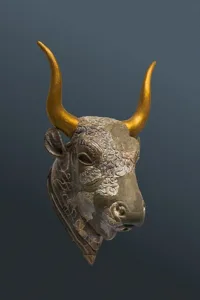
Η Τρίαινα και τα Σύμβολα του Ποσειδώνα
Άλλα σύμβολα που συνδέονται με τον Ποσειδώνα είναι:
τα άλογα
τα δελφίνια
τα θαλάσσια τέρατα
τα κύματα και οι καταιγίδες
Τα άλογα είχαν ιδιαίτερη σχέση με τον θεό. Σε ορισμένους μύθους θεωρείται δημιουργός του πρώτου αλόγου, ενώ το άρμα του ήταν συχνά δεμένο με μυθικά θαλάσσια άλογα ή ιππόκαμπους.
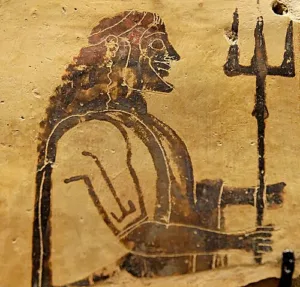
Η Σύγκρουση με την Αθηνά για την Αθήνα
Ένας από τους πιο γνωστούς μύθους που αφορούν τον Ποσειδώνα είναι ο διαγωνισμός του με την Αθηνά για την προστασία της πόλης της Αθήνας.
Οι δύο θεοί διαγωνίστηκαν για το ποιος θα προσφέρει το πιο χρήσιμο δώρο στους κατοίκους της πόλης.
Ο Ποσειδώνας χτύπησε τον βράχο της Ακρόπολης με την τρίαινά του και δημιούργησε μια πηγή νερού (σε άλλες εκδοχές ένα άλογο). Όμως το νερό ήταν αλμυρό και όχι ιδιαίτερα χρήσιμο.
Η Αθηνά προσέφερε την ελιά, ένα δέντρο που παρείχε τροφή, λάδι και ξύλο. Οι κάτοικοι της πόλης θεώρησαν το δώρο της πιο πολύτιμο και έτσι η πόλη πήρε το όνομα της θεάς.
Η ήττα αυτή εξόργισε τον Ποσειδώνα, ο οποίος σύμφωνα με τον μύθο προκάλεσε πλημμύρες στην περιοχή.
Ο Ποσειδώνας και η Οδύσσεια
Ο Ποσειδώνας παίζει καθοριστικό ρόλο στην Οδύσσεια. Ο θεός γίνεται ο κύριος αντίπαλος του Οδυσσέα.
Η σύγκρουση ξεκινά όταν ο Οδυσσέας τυφλώνει τον Πολύφημο, έναν Κύκλωπα που ήταν γιος του Ποσειδώνα. Όταν ο Πολύφημος ζητά εκδίκηση από τον πατέρα του, ο Ποσειδώνας ορκίζεται να τιμωρήσει τον Οδυσσέα.
Από εκείνη τη στιγμή, ο θεός προκαλεί καταιγίδες και θαλασσοταραχές που εμποδίζουν τον ήρωα να επιστρέψει στην Ιθάκη. Η οργή του Ποσειδώνα είναι ο βασικός λόγος που το ταξίδι του Οδυσσέα διαρκεί δέκα ολόκληρα χρόνια.
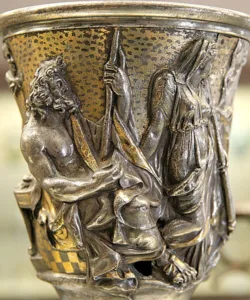
Η Οικογένεια του Ποσειδώνα
Η σύζυγος του Ποσειδώνα ήταν η Αμφιτρίτη, μία από τις Νηρηίδες, κόρη του Νηρέα. Μαζί απέκτησαν τον Τρίτωνα, μια θαλάσσια θεότητα που απεικονίζεται μισός άνθρωπος και μισός ψάρι.
Ο Ποσειδώνας όμως είχε πολλά παιδιά με διάφορες θεές και θνητές γυναίκες. Ανάμεσά τους βρίσκονται:
Πολλά από τα παιδιά του ήταν γίγαντες, ήρωες ή τρομακτικά πλάσματα, γεγονός που δείχνει την ισχυρή και συχνά άγρια φύση του θεού.
Οι Ναοί και η Λατρεία του Ποσειδώνα
Ο Ποσειδώνας λατρευόταν σε ολόκληρη την Ελλάδα, ιδιαίτερα σε παράκτιες περιοχές και νησιά. Ναοί αφιερωμένοι σε αυτόν βρίσκονταν κοντά σε θάλασσες και λιμάνια.
Ένας από τους πιο διάσημους ναούς του είναι ο ναός του Ποσειδώνα στο Σούνιο, χτισμένος σε έναν εντυπωσιακό βράχο που δεσπόζει πάνω από το Αιγαίο. Ο ναός αυτός λειτουργούσε και ως σημείο προσανατολισμού για τους ναυτικούς.
Στη λατρεία του θεού γίνονταν θυσίες ζώων, ιδιαίτερα ταύρων και αλόγων. Σε ορισμένες τελετές τα άλογα προσφέρονταν στη θάλασσα ως αφιερώματα.
Ο Ποσειδώνας ως Θεός των Σεισμών
Πέρα από τη θάλασσα, ο Ποσειδώνας θεωρούνταν και θεός των σεισμών. Το προσωνύμιο “Ενοσίγαιος” ή “Εννοσίγαιος” σημαίνει “αυτός που ταρακουνά τη γη”.
Οι αρχαίοι Έλληνες πίστευαν ότι όταν ο Ποσειδώνας χτυπούσε τη γη με την τρίαινά του, προκαλούνταν σεισμοί. Σε περιοχές με έντονη σεισμική δραστηριότητα, η λατρεία του ήταν ιδιαίτερα ισχυρή.
Ο Ποσειδώνας στην Τέχνη και την Αρχαία Παράδοση
Στην αρχαία τέχνη, ο Ποσειδώνας απεικονίζεται συνήθως ως ένας ώριμος, δυνατός άνδρας με μακριά γενειάδα και επιβλητική μορφή. Συχνά παρουσιάζεται:
να κρατά την τρίαινα
να οδηγεί άρμα πάνω στα κύματα
να συνοδεύεται από δελφίνια και θαλάσσια πλάσματα
Η μορφή του ενέπνευσε αγγεία, γλυπτά, ναούς και μνημεία σε όλο τον ελληνικό κόσμο.
Η Σημασία του Ποσειδώνα στην Ελληνική Μυθολογία
Ο Ποσειδώνας δεν ήταν απλώς θεός της θάλασσας. Αντιπροσώπευε τη δύναμη και την απρόβλεπτη φύση του κόσμου. Οι μύθοι του αντανακλούν τον σεβασμό και τον φόβο που ένιωθαν οι αρχαίοι Έλληνες απέναντι στη θάλασσα και στα φυσικά φαινόμενα.
Η παρουσία του σε μεγάλα έπη, όπως η Οδύσσεια, καθώς και σε πολλούς τοπικούς μύθους, δείχνει πόσο σημαντικός ήταν για την αρχαία ελληνική θρησκεία και κουλτούρα.
Ακόμη και σήμερα, ο Ποσειδώνας παραμένει μία από τις πιο αναγνωρίσιμες μορφές της ελληνικής μυθολογίας, σύμβολο της θάλασσας, της δύναμης και του ανεξέλεγκτου στοιχείου της φύσης.
Συχνές Ερωτήσεις για τον Ποσειδώνα
Ποιος ήταν ο Ποσειδώνας στην ελληνική μυθολογία;
Ο Ποσειδώνας ήταν ο θεός της θάλασσας, των σεισμών και των αλόγων. Ήταν ένας από τους ισχυρότερους θεούς του Ολύμπου και συνδεόταν με τη δύναμη των υδάτων.
Ποιοι ήταν οι γονείς του Ποσειδώνα;
Ο Ποσειδώνας ήταν γιος του Κρόνος και της Ρέα.
Ποια ήταν τα αδέλφια του Ποσειδώνα;
Αδέλφια του ήταν ο Ζευς, ο Άδης, η Ήρα, η Δήμητρα και η Εστία.
Ποια ήταν τα σύμβολα του Ποσειδώνα;
Σύμβολά του ήταν η τρίαινα, το άλογο και τα κύματα της θάλασσας, που αντιπροσωπεύουν την κυριαρχία του στα νερά.
Ποιος ήταν ο ρόλος του Ποσειδώνα στη μυθολογία;
Ο Ποσειδώνας θεωρούνταν κυρίαρχος των θαλασσών και προκαλούσε ή ηρεμούσε τις θάλασσες με την τρίαινά του.
Πού λατρευόταν ο Ποσειδώνας;
Η λατρεία του ήταν ιδιαίτερα ισχυρή σε παράκτιες περιοχές της αρχαίας Ελλάδας, όπου οι άνθρωποι εξαρτώνταν από τη θάλασσα.
Πώς απεικονίζεται ο Ποσειδώνας;
Στην τέχνη παρουσιάζεται ως ώριμος άνδρας με γενειάδα, κρατώντας τρίαινα και συχνά συνοδευόμενος από θαλάσσια πλάσματα.
Ποια ήταν η σημασία του Ποσειδώνα;
Ο Ποσειδώνας συμβολίζει τη δύναμη της θάλασσας, των σεισμών και της φυσικής ορμής των υδάτων.
Γιατί ο Ποσειδώνας είναι σημαντικός στη μυθολογία;
Επειδή συνδέεται με τη ναυσιπλοΐα, τη θάλασσα και την επιβίωση των αρχαίων ελληνικών κοινωνιών που βασίζονταν στο εμπόριο.
Ποια ζώα ήταν ιερά για τον Ποσειδώνα;
Το άλογο και το δελφίνι θεωρούνταν ιερά ζώα του Ποσειδώνα.
Διάβασε επίσης
ΘΕΟΙ ΤΟΥ ΟΛΥΜΠΟΥ
ΔΙΑΣ | ΗΡΑ | ΑΘΗΝΑ | ΑΡΗΣ | ΑΡΤΕΜΙΣ | ΔΙΟΝΥΣΟΣ | ΕΡΜΗΣ | ΑΔΗΣ | ΑΠΟΛΛΩΝΑΣ | ΠΟΣΕΙΔΩΝΑΣ | ΗΦΑΙΣΤΟΣ | ΑΦΡΟΔΙΤΗ
Ολύμπιοι Θεοί: Οι 12 Θεοί του Ολύμπου στην Ελληνική Μυθολογία