Iphigenia in Greek Mythology
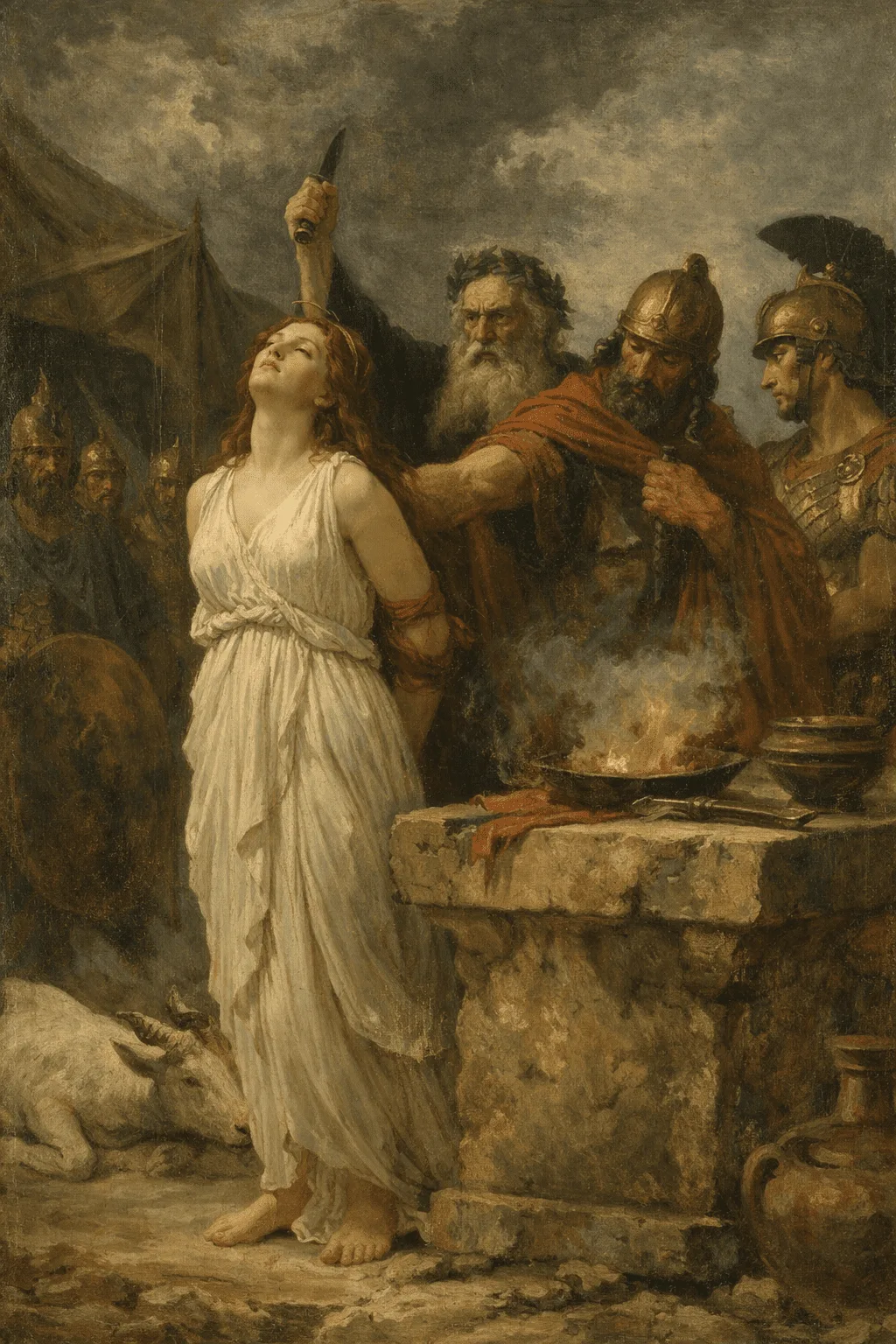
Discover the myth of Iphigenia in Greek mythology: sacrifice in Aulid, salvation from Artemis and the destiny of Atreides.

Discover the myth of Iphigenia in Greek mythology: sacrifice in Aulid, salvation from Artemis and the destiny of Atreides.

Athens is the modern capital of Greece, but also one of the most important mythological sites of antiquity. According to tradition, the city was named after the goddess Athena, who won Poseidon in a competition offering the inhabitants the olive tree – symbol of wisdom and prosperity. Athens was considered a center of knowledge, strategy and ... More
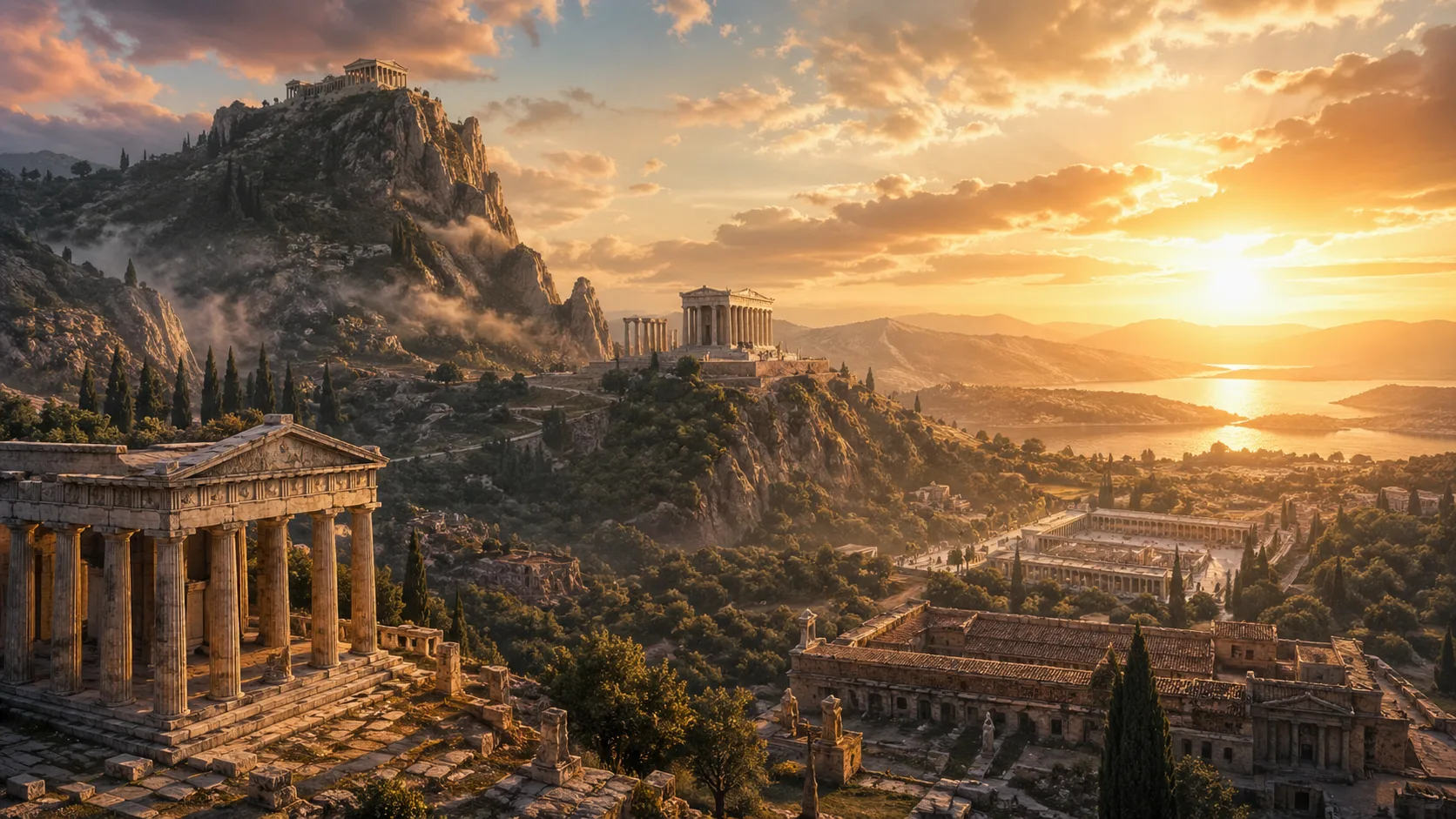
Discover mythological sites of Greece The mythological sites of Greece are a bridge between history, myth and landscape. From mountains and caves to ancient sanctuaries and cities associated with gods, heroes and legends, each place hides a history that travels through time. On this page you will discover locations associated with ... More

Arcadia is the name of an area in modern Greece, but it was also an important place for reference in ancient Greek mythology. It was located in the heart of the Peloponnese and was considered a wild and isolated land, full of forests and mountains. According to tradition, Pan lived there along with oaks, nymphs and spirits of nature. Arcadia often... More
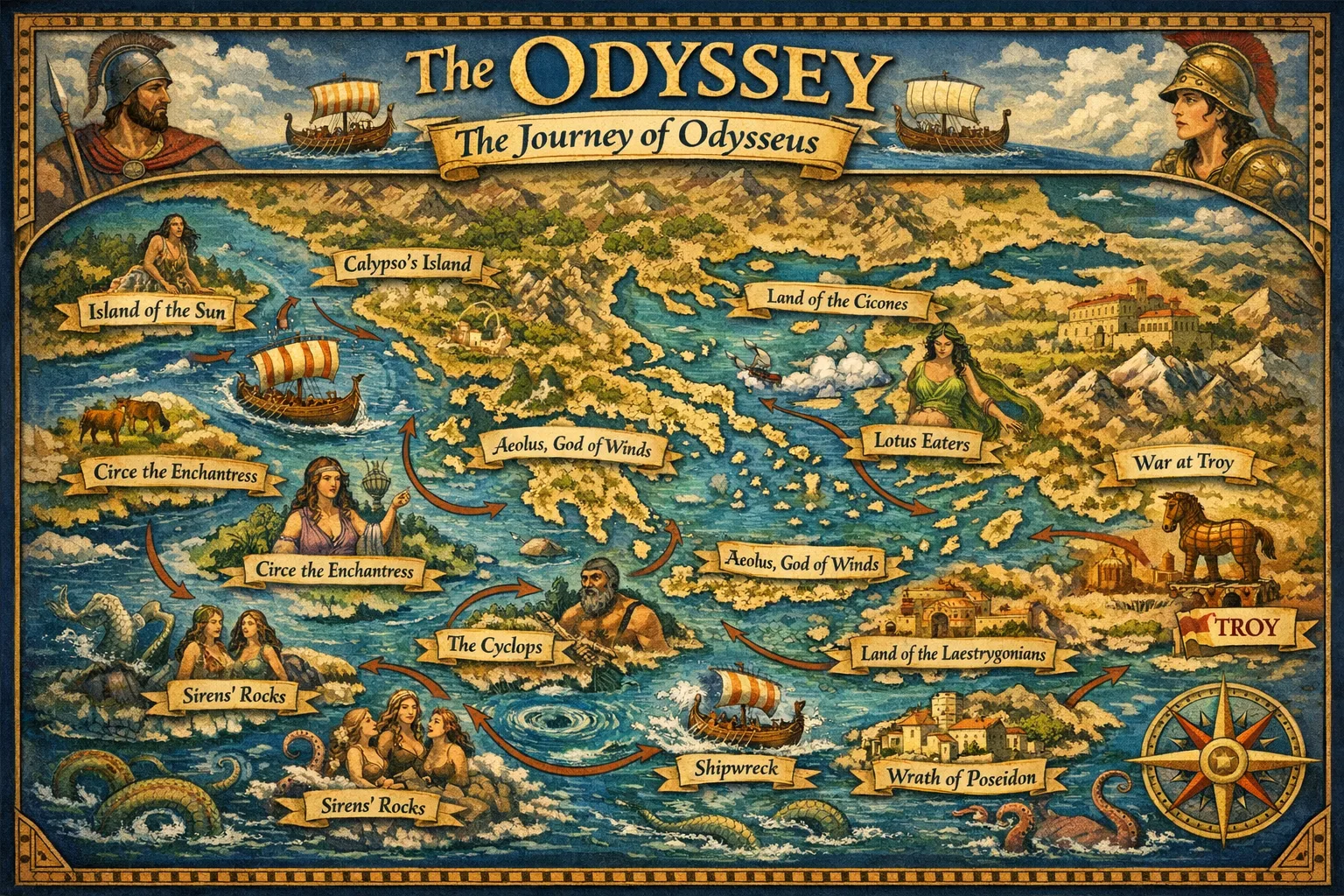
Discover the epic journey of Ulysses to Homer's Odyssey. All the stops, the mythical islands, the Kicones, the Lotaphagus, Circe, Sirens, Calypso and the return to Ithaca.

Archaeological Sites of Ancient Greece – Where the Gods Left Their Traces The archaeological sites of Ancient Greece are not just stones and ruins. They are sacred places, where the gods walked among the people, where heroes glorified their name and where the myths that sealed Western civilization were born. From... More
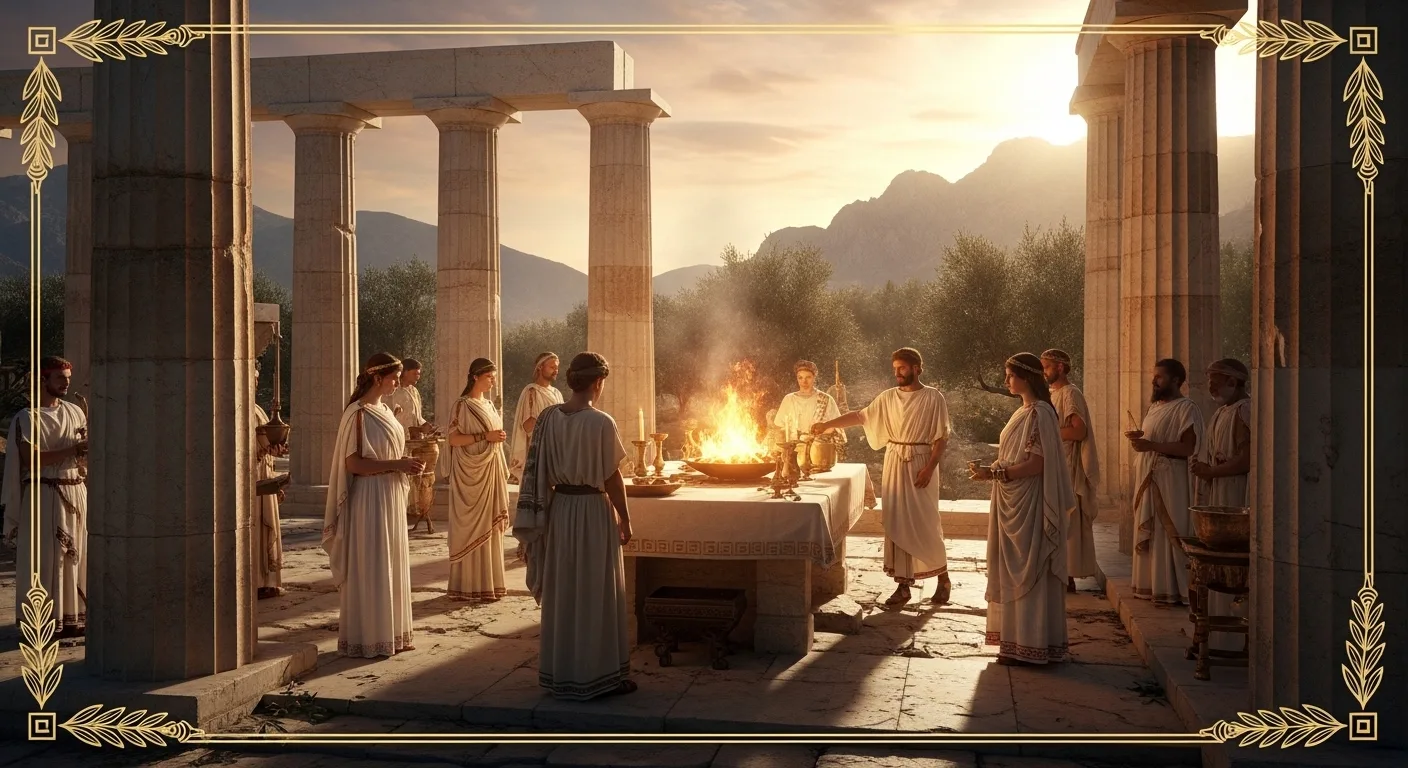
Worship ceremonies in ancient Greece were a key communication mechanism between people and gods. Through standardised instruments —sacrifices, libations, mysteries and celebrations— Greeks sought the favor of the divine, the cleansing and the preservation of the secular order. Religion in ancient Greece was not just a system of faith. It was a living lifestyle that... More

The Primary Powers that gave birth to the Universe Orphic tradition is one of the most internal and philosophically charged versions of ancient Greek cosmogony. Unlike Hesiod, where creation begins from Chaos, Orphic texts place at the beginning of the existence of two abstract but absolute forces: Need and Time. I don't... More

The Greek colonization (8th–6th century BC) was one of the most important phenomena of ancient history. The Greeks established colonies throughout the Mediterranean and Black Sea, carrying not only their language and institutions, but also their religion. At the heart of each colony were the temples, operating as centers of worship, political cohesion... More
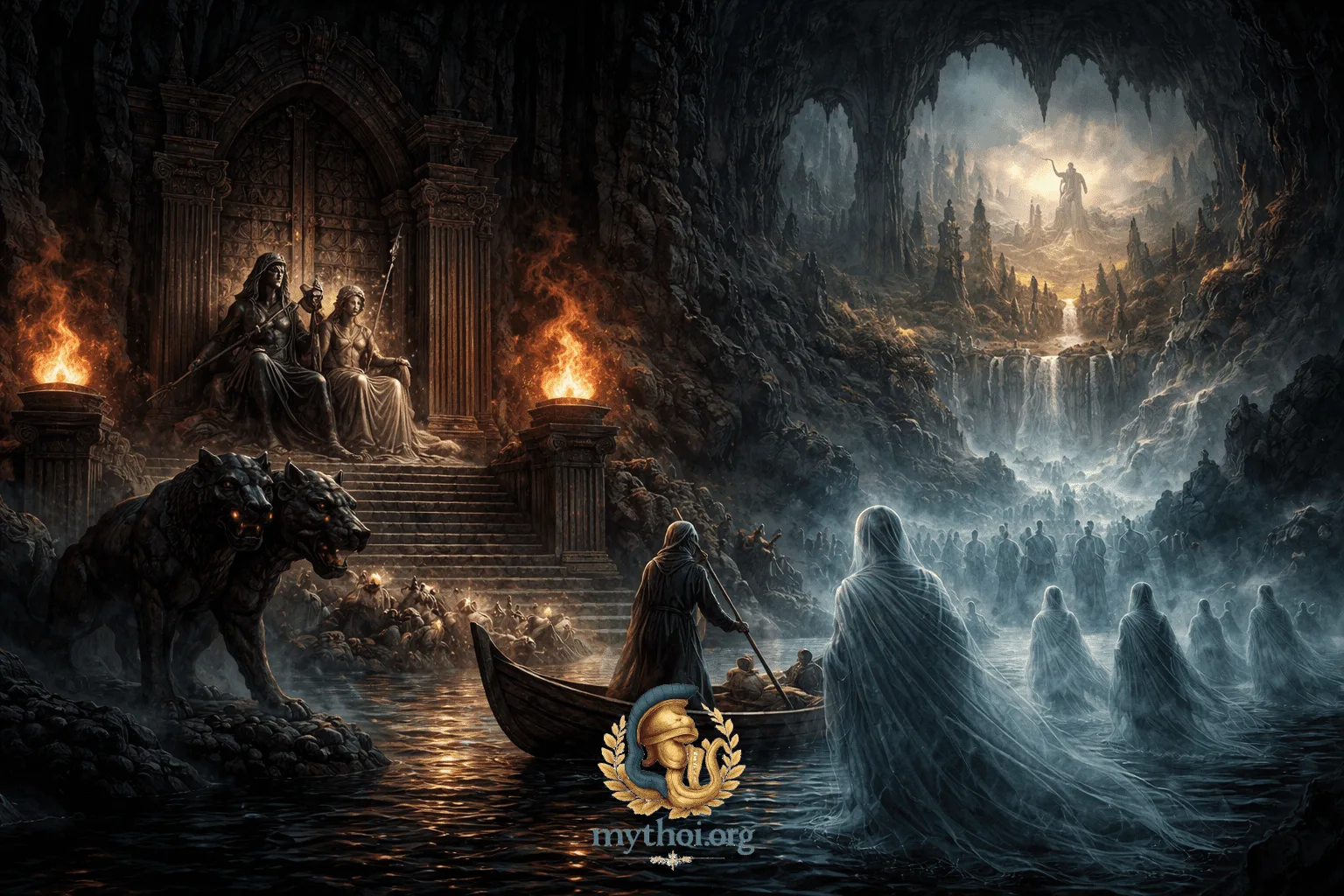
Posthumous Life in Ancient Greece Myths, Concepts and the Journey of Soul to Hades Afterlife in Ancient Greece was not just a myth· was a fundamental element of the world's perception of ancient Greeks. Among poetic accounts, religious ceremonies and philosophical theories, death meant not the end, but the transition of the soul to ... More