Hades

Mythological Sites of Hades

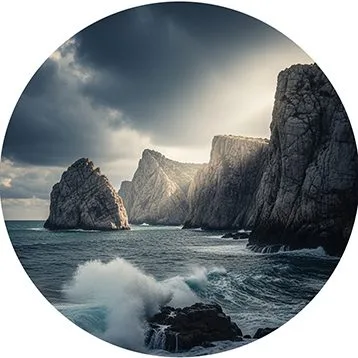
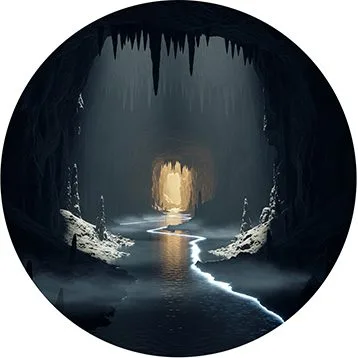
Hades is the underworld of the dead and kingdom of the god Hades. The souls were led there by Mercury and crossed the River Styx with Haron. Hades was not only a place of punishment, but a place of judgment and eternal balance. See also: Hades (God), Persephone, Haron, Afterlife, Cerberus =
Troy

Mythological Sites Troy

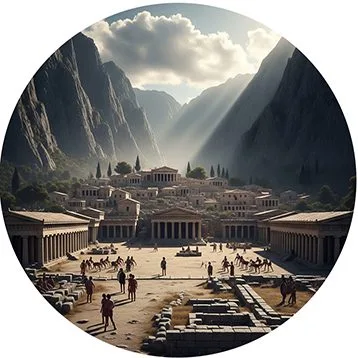
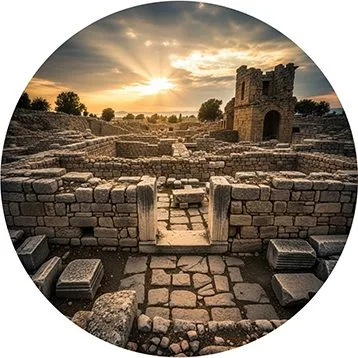
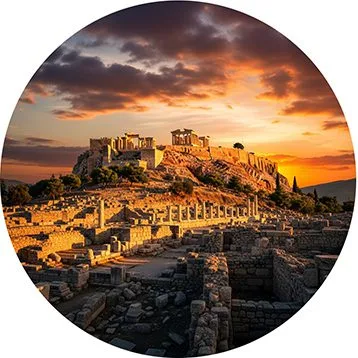
Troy was the field of the ten-year conflict between Greeks and Trojans. The loss of the city with the Trojan horse is one of the most iconic accounts of antiquity. Troy expresses the heroism, glory and tragedy of war. See also: Achilles, Hector, Priam, Trojan Horse, Iliad

Thebes

Mythological Sites Thebes

Thebes is a scene of some of the most dramatic mythological stories. Home of Oedipus and place of the curse of the Labdakides, but also of the campaign of the Seven on Thebes. The city symbolizes fate, hubris, and divine punishment. See also: Oedipus, Antigone, Hercules, Seven on Thebes

Tauris

Mythological Sites Taurid

Taurid was the place where Iphigenia served as the priestess of Artemis after her salvation from the sacrifice to Aulid. There he met Orestes and escaped back to Greece. The Taurid is associated with sacrifice, purification and reunification. See also: Iphigenia, Orestes, Artemis, Sacrifice in Aulid

Sparta

Mythological Sites Sparta

Sparta is associated mythologically with King Menelaus and Beautiful Helen, which was a cause for the Trojan War. It represents military virtue, honor and strict social structure. See also: Menelaos, Nice Helen, Trojan War, Dioscuri

Olympus

Olympus Mythological Sites

Olympus is the residence of the twelve Olympian gods. From there Zeus and the rest of the gods regulated the affairs of gods and men. Olympus symbolizes supreme divine authority, secular order and distance between mortal and immortal. See also: Zeus, Hera, Apollo, Athena, Olympian Gods

CAVE OF NYMPHS

Mythological Sites of Nymphs Cave

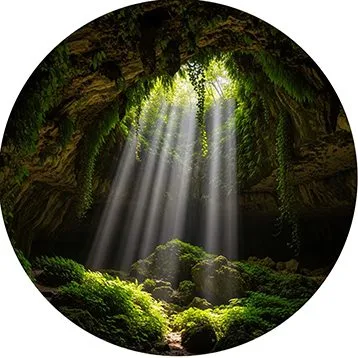
The Cave of Nymphs in Ithaca refers to Odyssey as a sacred place dedicated to the nymphs. There Ulysses hid the gifts of the Pheasants before appearing disguised in his palace. The space symbolizes the transition from divine protection to human action. See also: Odyssey, Nymphs, Phaeakes, Athena

Lycia

Mythological Sites of Lycia

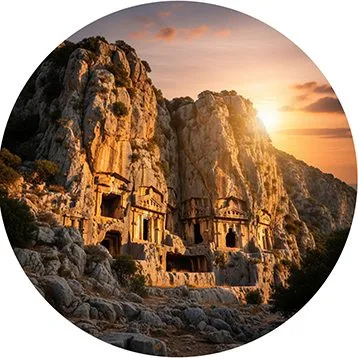
Lycia was an area of Asia Minor and a setting of heroic narratives. There Bellerophon faced and defeated Chimera, gaining glory and royal favor. Lycia expresses the borders of the Greek mythological world and its meeting with the unknown. See also: Bellerophon, Chimera, Pegasus

Lernaea

Lerna Mythological Sites

Lerna is known as the place where Hercules performed his second feat, killing Lernaia Hydra. The area was associated with marshes and springs considered chthonic and mysterious, often as gates to the underworld. See also: Hercules, Lernaia Hydra, Athlons Hercules

KNOSOS

Mythological Sites of Knossos

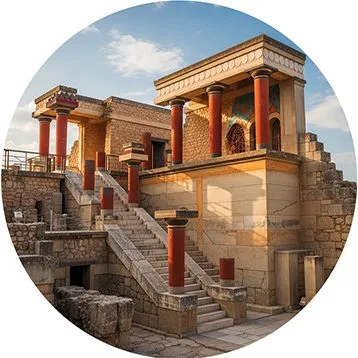
Knossos was the center of Minoan civilization and the seat of King Minos. According to legend, here was the Labyrinth that Daedalus built to imprison Minotaur. Knossos symbolizes the power, technological skill and mystery of ancient Crete. See also: Minos, Minotaur, Daedalus, Theseus, Ariadne

Privacy Overview
MYTHOI. ORG Explore Greek mythology and folklore through gods, heroes, myths and traditions. Educational content for students, educators and friends of mythology.

This website uses cookies to provide you with the best user experience possible. Cookies information is stored on your browser and perform functions such as your identification when you return to our website and helping our team understand which parts of our site you consider more interesting and useful.

Absolutely necessary cookies

The strictly necessary cookie should be enabled at any time so that we can save your cookie settings preferences.

Statistics

This website uses Google Analytics to collect anonymous information, such as the number of visitors on the website and the most popular pages.

Maintaining this cookie allows us to improve our website.