The Myth of Sisyphus

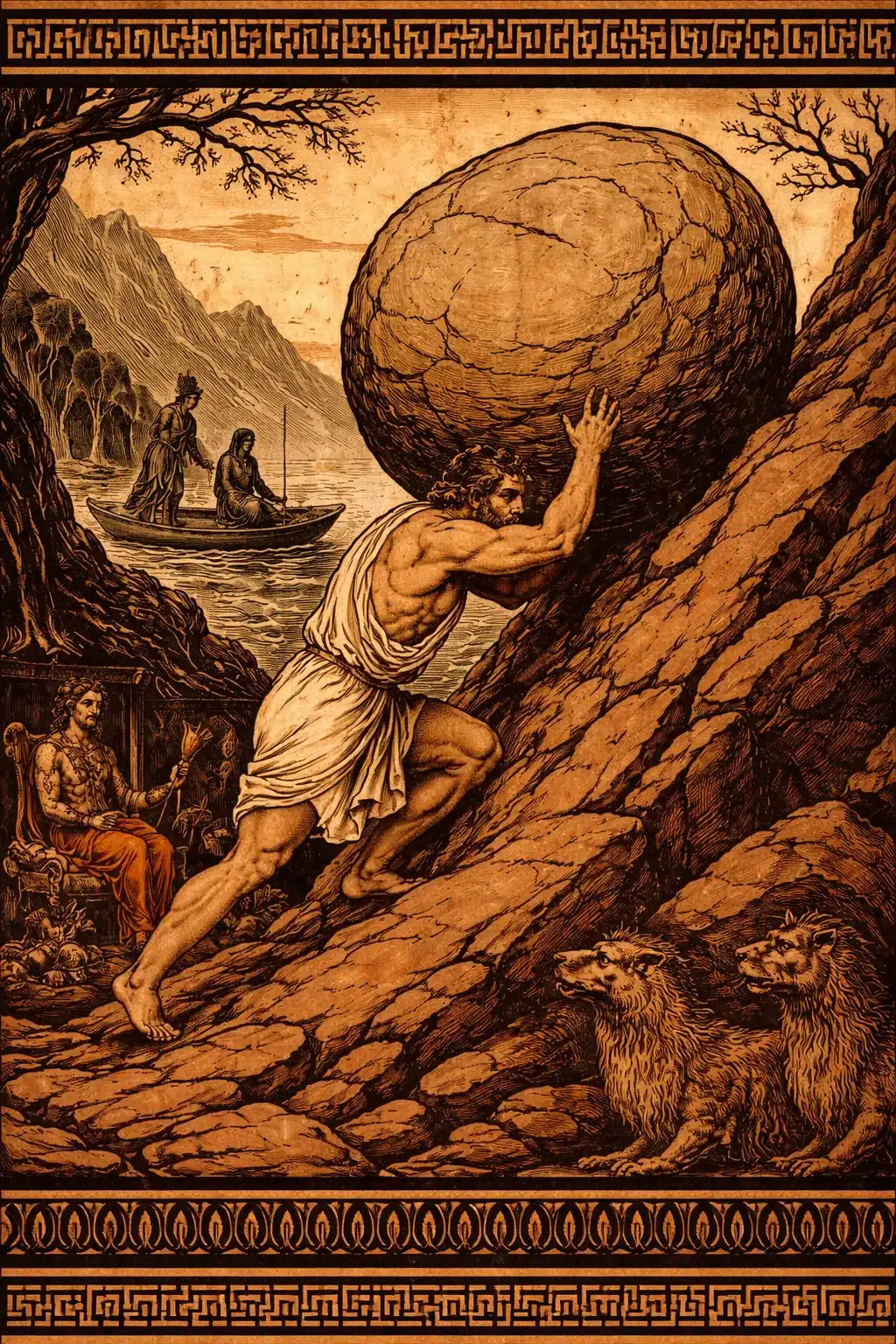
The myth of Sisyphus Sisyphus pushes the huge rock to the height of Hades

What does the legend of Sisyphus say? Sisyphus, king of Corinth, was condemned by the gods to endlessly roll a rock on the hill, symbolizing the perpetual battle and useless effort in Greek mythology. The Myth of Sisyphus – The eternal punishment and the deepest meaning The myth of Sisyphus in Greek mythology concerns the king ...More

myth of Narcissus

Narcissus looks at his reflection in a source – Myth of Narcissus in Greek mythology

The Myth of Narcissus – The Young One Who Falled in Love with His Own Reflection The myth of Narciss is one of the most timeless and deeply symbolic stories of Greek mythology. It's not just a beautiful young man who fell in love with himself. It is a narrative of the hubris, rejection, weakness of self-knowledge and...More

The myth of Morpheus

The Myth of Morpheus in Greek Mythology

Morpheus is a god of dreams in Greek mythology, son of Sleep. He appears as a messenger who brings dreams to people, forming images and messages in the night. It symbolizes man's imagination, soul and communication with the subconscious. The Myth of Morpheus – The God of Dreams in Greek Mythology Morpheus is...More

Hades

Mythological Sites of Hades

Ο Άδης είναι ο κάτω κόσμος των νεκρών και βασίλειο του θεού Άδη. Οι ψυχές οδηγούνταν εκεί από τον Ερμή και διέσχιζαν τον ποταμό Στύγα με τον Χάροντα. Ο Άδης δεν ήταν μόνο τόπος τιμωρίας, αλλά χώρος κρίσης και αιώνιας ισορροπίας. Δείτε επίσης: Άδης (θεός), Περσεφόνη, Χάροντας, Μεταθανάτια ζωή, Κέρβερος =

Troy

Mythological Sites Troy

Η Τροία ήταν το πεδίο της δεκαετούς σύγκρουσης μεταξύ Ελλήνων και Τρώων. Η άλωση της πόλης με τον Δούρειο Ίππο αποτελεί μία από τις πιο εμβληματικές αφηγήσεις της αρχαιότητας. Η Τροία εκφράζει τον ηρωισμό, τη δόξα αλλά και την τραγικότητα του πολέμου. Δείτε επίσης: Αχιλλέας, Έκτορας, Πρίαμος, Δούρειος Ίππος, Ιλιάδα

Thebes

Mythological Sites Thebes

Η Θήβα αποτελεί σκηνικό μερικών από τις πιο δραματικές μυθολογικές ιστορίες. Πατρίδα του Οιδίποδα και τόπος της κατάρας των Λαβδακιδών, αλλά και της εκστρατείας των Επτά επί Θήβας. Η πόλη συμβολίζει τη μοίρα, την ύβρη και τη θεϊκή τιμωρία. Δείτε επίσης: Οιδίποδας, Αντιγόνη, Ηρακλής, Επτά επί Θήβας

Tauris

Mythological Sites Taurid

Taurid was the place where Iphigenia served as the priestess of Artemis after her salvation from the sacrifice to Aulid. There he met Orestes and escaped back to Greece. The Taurid is associated with sacrifice, purification and reunification. See also: Iphigenia, Orestes, Artemis, Sacrifice in Aulid

Sparta

Mythological Sites Sparta

Sparta is associated mythologically with King Menelaus and Beautiful Helen, which was a cause for the Trojan War. It represents military virtue, honor and strict social structure. See also: Menelaos, Nice Helen, Trojan War, Dioscuri

Olympus

Olympus Mythological Sites

Olympus is the residence of the twelve Olympian gods. From there Zeus and the rest of the gods regulated the affairs of gods and men. Olympus symbolizes supreme divine authority, secular order and distance between mortal and immortal. See also: Zeus, Hera, Apollo, Athena, Olympian Gods

CAVE OF NYMPHS

Mythological Sites of Nymphs Cave

The Cave of Nymphs in Ithaca refers to Odyssey as a sacred place dedicated to the nymphs. There Ulysses hid the gifts of the Pheasants before appearing disguised in his palace. The space symbolizes the transition from divine protection to human action. See also: Odyssey, Nymphs, Phaeakes, Athena