Lycia

Mythological Sites of Lycia

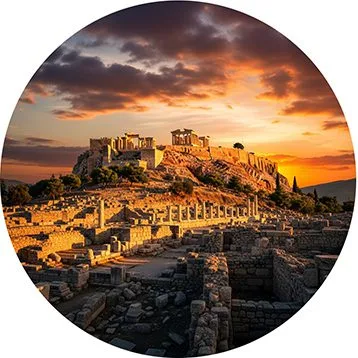
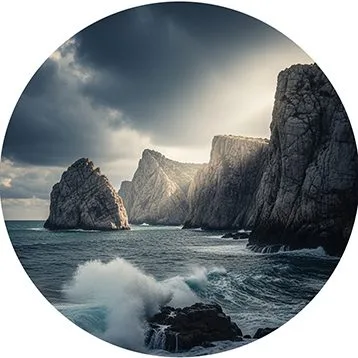
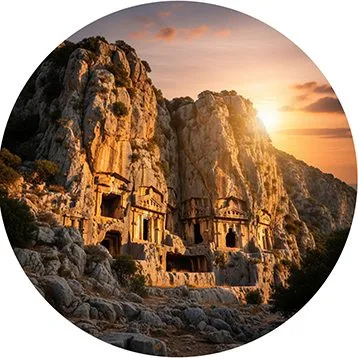
Lycia was an area of Asia Minor and a setting of heroic narratives. There Bellerophon faced and defeated Chimera, gaining glory and royal favor. Lycia expresses the borders of the Greek mythological world and its meeting with the unknown. See also: Bellerophon, Chimera, Pegasus

Lernaea

Lerna Mythological Sites

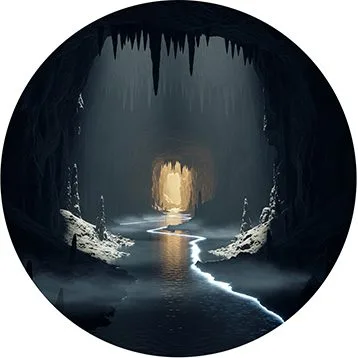
Lerna is known as the place where Hercules performed his second feat, killing Lernaia Hydra. The area was associated with marshes and springs considered chthonic and mysterious, often as gates to the underworld. See also: Hercules, Lernaia Hydra, Athlons Hercules

KNOSOS

Mythological Sites of Knossos

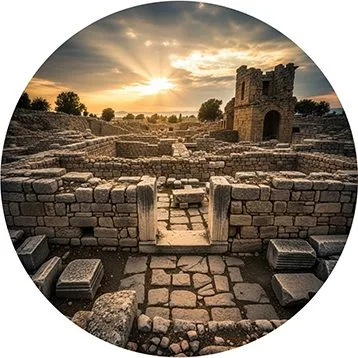
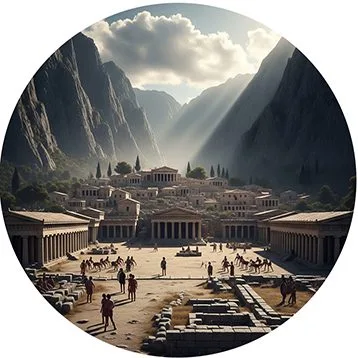
Knossos was the center of Minoan civilization and the seat of King Minos. According to legend, here was the Labyrinth that Daedalus built to imprison Minotaur. Knossos symbolizes the power, technological skill and mystery of ancient Crete. See also: Minos, Minotaur, Daedalus, Theseus, Ariadne

Ithaca

Ithaca Mythological Sites

Η Ιθάκη είναι το βασίλειο του Οδυσσέα και το αιώνιο σύμβολο της επιστροφής και της νοσταλγίας. Στην ελληνική μυθολογία αποτελεί τον τελικό προορισμό της δεκαετούς περιπλάνησης του ήρωα μετά τον Τρωικό Πόλεμο. Το νησί συνδέεται με την πίστη της Πηνελόπης, την ενηλικίωση του Τηλέμαχου και την αποκατάσταση της τάξης στο παλάτι μέσω της μνηστηροφονίας. Δείτε …More

Olympian Gods – Videos of Greek Mythology

The Olympian Gods cinematic artwork featuring Zeus with lighting on Mount Olympus

Discover the film world of the Twelve Olympian gods through epic mythological video presentations. The Olympian Gods were the main deities of ancient Greek mythology and according to tradition inhabited Olympus, from where they ruled the natural and secular world. Through high quality cinematic shorts, the page presents gods like Zeus, Hera, ...More

Greek Mythology

Greek Mythology – Ancient Greek Gods and Myths

What is Greek mythology Greek mythology is stories told by ancient Greeks about their gods, goddesses and mythical creatures. Greek mythology is one of the most important cultural and spiritual systems of antiquity, combining religious faith, poetic tradition and philosophical quest for the nature of existence. Through myths, ...More

Orphic Hymns – Primary Sources of Ancient Greek Tradition

Orphic hymns Orphic hymns are an important part of ancient Greek religious poetry and the mystical orphic tradition. Their precise date is not entirely certain, as hymns are based on earlier oral worship practices that evolved through time. Most historians and philologists place the composition of the final form of the collection about between ...More

Hesiod, Theogonia | Primary Source of Mythology

Hero image with ancient Greek texts, scrolls, books and statues of philosophers, representing the Early Sources of Greek Mythology

Theogonia of Hesiod (8th century B.C.E.) Hesiod's Theogonia is the oldest systematic cosmogony of the Greek secretariat. The work tells of the birth of the world from Chaos, the appearance of Earth and Heaven, the generation of Titans, Titan fighting and the final domination of Zeus. As a primary source of Greek mythology, Theogonia ...More

Hesiod – Theogenia & Works and Days | Primary Sources

Hesiod Hesiodos is one of the most important ancient Greek poets and one of the basic primary sources for the knowledge of Greek mythology and cosmogony. His works provide information about the birth of the gods, their relationships and the moral principles of the time. Main Works Theogonia – Describes the birth of the world, the ...More