myth of Narcissus

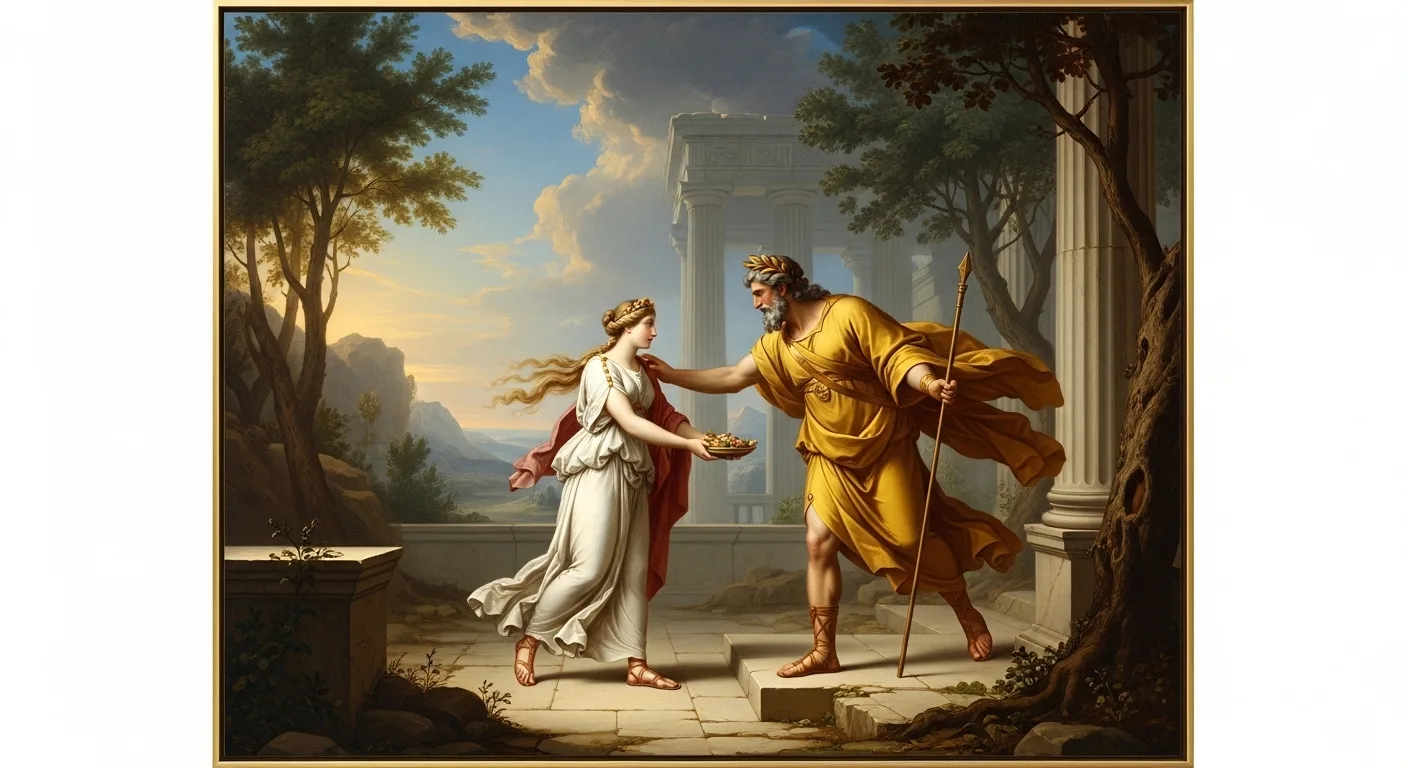
Narcissus looks at his reflection in a source – Myth of Narcissus in Greek mythology

The Myth of Narcissus – The Young One Who Falled in Love with His Own Reflection The myth of Narciss is one of the most timeless and deeply symbolic stories of Greek mythology. It's not just a beautiful young man who fell in love with himself. It is a narrative of the hubris, rejection, weakness of self-knowledge and... More

The myth of Morpheus

The Myth of Morpheus in Greek Mythology

Morpheus is a god of dreams in Greek mythology, son of Sleep. He appears as a messenger who brings dreams to people, forming images and messages in the night. It symbolizes man's imagination, soul and communication with the subconscious. The Myth of Morpheus – The God of Dreams in Greek Mythology Morpheus is... More

Hades

Mythological Sites of Hades

Hades is the underworld of the dead and kingdom of the god Hades. The souls were led there by Mercury and crossed the River Styx with Haron. Hades was not only a place of punishment, but a place of judgment and eternal balance. See also: Hades (God), Persephone, Haron, Afterlife, Cerberus =

Troy

Mythological Sites Troy

Troy was the field of the ten-year conflict between Greeks and Trojans. The loss of the city with the Trojan horse is one of the most iconic accounts of antiquity. Troy expresses the heroism, glory and tragedy of war. See also: Achilles, Hector, Priam, Trojan Horse, Iliad

Thebes

Mythological Sites Thebes

Thebes is a scene of some of the most dramatic mythological stories. Home of Oedipus and place of the curse of the Labdakides, but also of the campaign of the Seven on Thebes. The city symbolizes fate, hubris, and divine punishment. See also: Oedipus, Antigone, Hercules, Seven on Thebes

Tauris

Mythological Sites Taurid

Taurid was the place where Iphigenia served as the priestess of Artemis after her salvation from the sacrifice to Aulid. There he met Orestes and escaped back to Greece. The Taurid is associated with sacrifice, purification and reunification. See also: Iphigenia, Orestes, Artemis, Sacrifice in Aulid

Sparta

Mythological Sites Sparta

Sparta is associated mythologically with King Menelaus and Beautiful Helen, which was a cause for the Trojan War. It represents military virtue, honor and strict social structure. See also: Menelaos, Nice Helen, Trojan War, Dioscuri

Olympus

Olympus Mythological Sites

Olympus is the residence of the twelve Olympian gods. From there Zeus and the rest of the gods regulated the affairs of gods and men. Olympus symbolizes supreme divine authority, secular order and distance between mortal and immortal. See also: Zeus, Hera, Apollo, Athena, Olympian Gods

CAVE OF NYMPHS

Mythological Sites of Nymphs Cave

The Cave of Nymphs in Ithaca refers to Odyssey as a sacred place dedicated to the nymphs. There Ulysses hid the gifts of the Pheasants before appearing disguised in his palace. The space symbolizes the transition from divine protection to human action. See also: Odyssey, Nymphs, Phaeakes, Athena