
Language, Olympic Games, archaeological findings and testimonies of ancient historians linking ancient Macedonians to the Greek world.
«The country near the sea that is now called Macedonia... Alexander, the father of Perdika, and his ancestors, who descended from the Temenides of Argos»
(Thucydide 99,3)
What is the evidence that ancient Macedonians were of Greek descent?
Ancient Macedonians are one of the most important and most discussed chapters of ancient history. Macedonia's rise under Philip II and Alexander the great campaign changed the ancient world forever, spreading Greek culture from Greece to Egypt and Asia.
Despite Macedonia's great historical importance, the issue of the origin of ancient Macedonians continues to cause discussions. However, historical sources, archaeological discoveries, inscriptions, language, religion and their participation in Greek institutions are strong indications that Macedonians belonged to the wider Greek world.
From the Greek inscriptions of Pella and the royal tombs of Vergina until the participation of the Macedonians in the Olympic Games and the testimonies of Herodotus and Thucydides, the evidence is numerous and particularly important.
In this article we examine in detail the most important historical, linguistic and archaeological evidence showing why the majority of modern historians believe that ancient Macedonians were of Greek descent.
The article presents in detail the most important evidence linking ancient Macedonians to the Greek world. Through historical sources, archaeological findings, linguistic analyses and testimonies of ancient writers, the Macedonian language, their participation in the Olympic Games, their Greek religion and education, as well as the impressive findings of Vergina and Pella, are examined. The article also includes references to Alexander the Great, Philip II and the historical sources of Herodotus and Thucydides, offering a full and documented picture of the identity of ancient Macedonia.
Most historical, linguistic, archaeological and cultural sources available today show that the ancient Macedonians were considered part of the Greek world, although they had some local peculiarities and different political organization from the southern Greek cities-states.
Here are the main evidence:
1. The Macedonian language itself
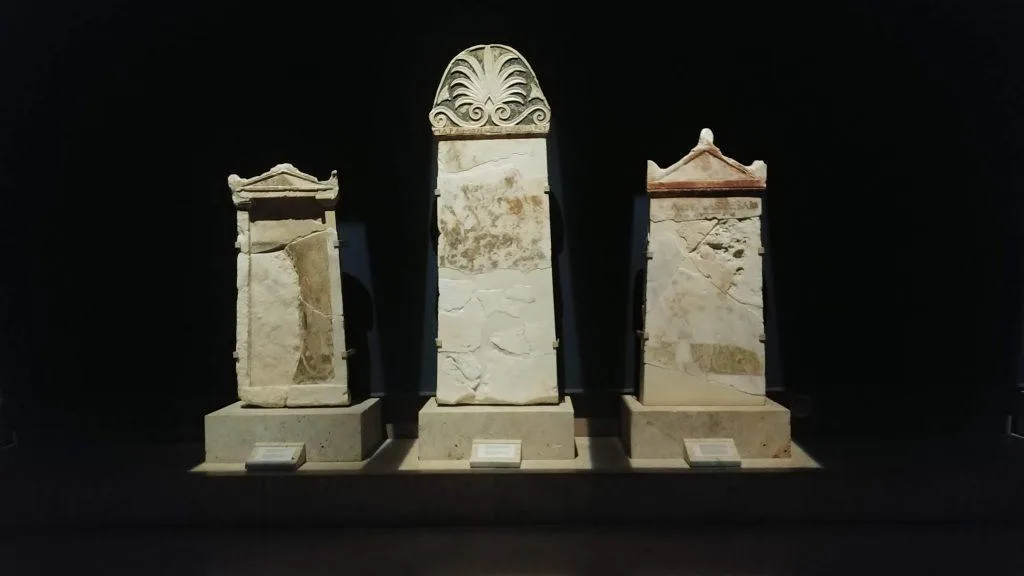
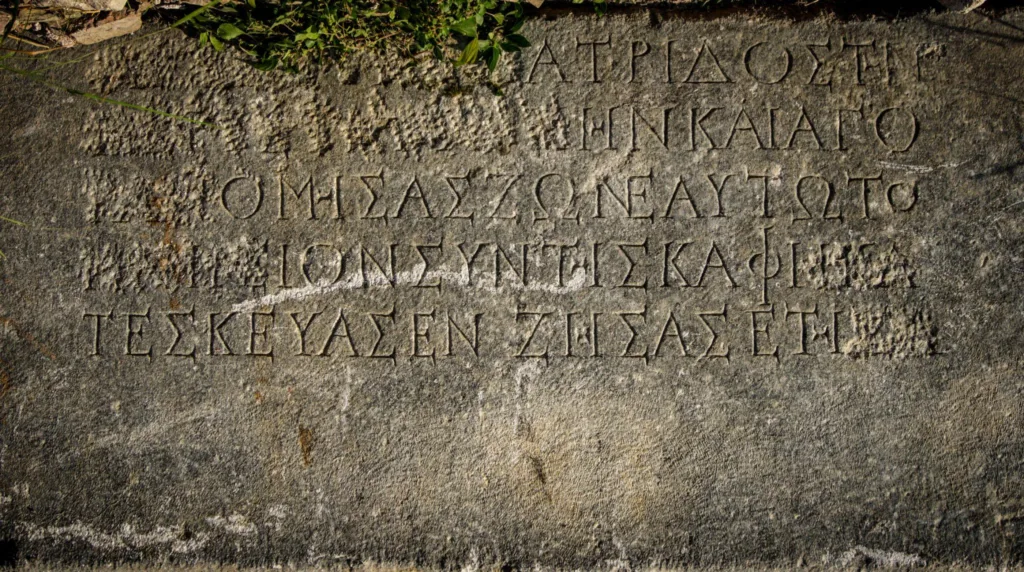
The inscriptions found in Macedonia are written in Greek.
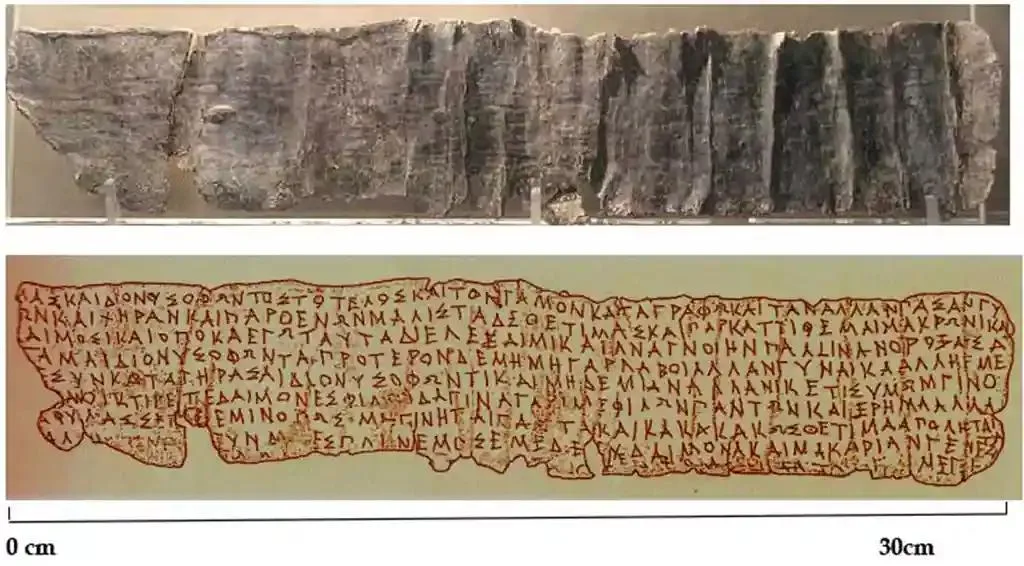
Particularly important is the famous Pella Concession (4th century BC), which is written in a Doric/northwest Greek dialect. Many linguists consider it a strong indication that Macedonian was a Greek dialect or very closely related to Greek.
Also:
- The names of the kings are Greek:
- Philip = «a friend of horses»
- Alexander = «He who protects men»
- Perdiccas, Amyntas, Archelaus etc.
- The names of gods, months and offices are Greek.
2. Participation in the Olympics
In the ancient Olympics only Greeks could participate.
King Alexander I of Macedonia participated in the Olympics in the 5th century BC, after proving to the Greeks that he came from the Greek genus of the Temenides of Argos.
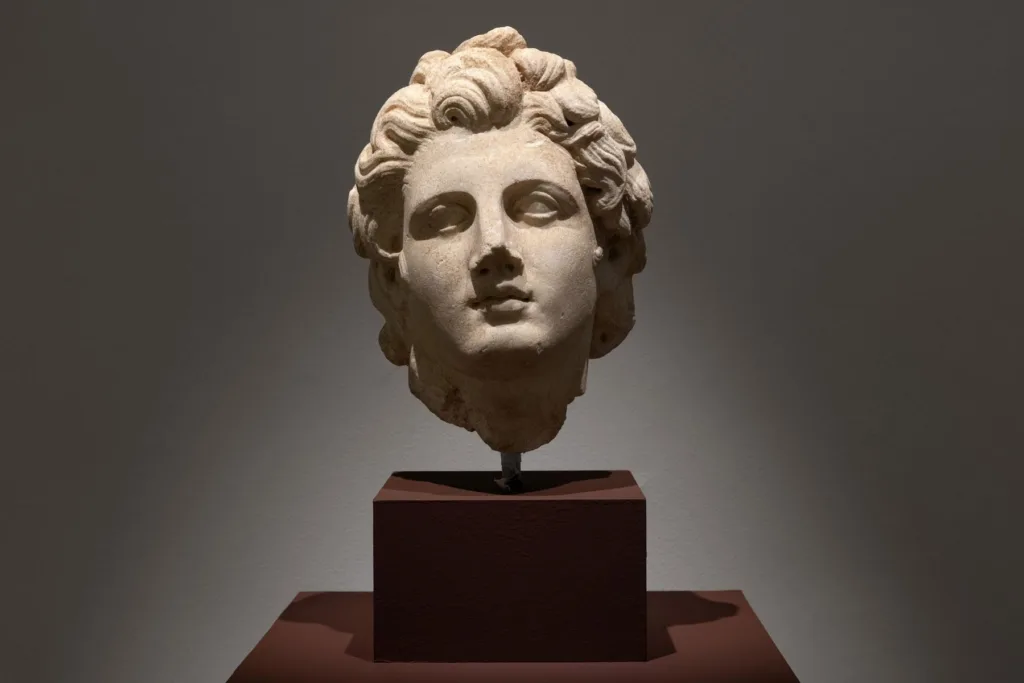
This is very important because it shows that he was officially recognized as Greek by the other Greeks of the time.
3. The origin of the royal dynasty
The Argentine dynasty claimed it came from Argos and from the mythical Hercules.
Herodotus reports that Macedonian kings were Dorians of Greek descent.
Thucydides also connects the Macedonians with Greek tribes.
4. Religion and the gods
The Macedonians worshiped the same gods as the rest of the Greeks:
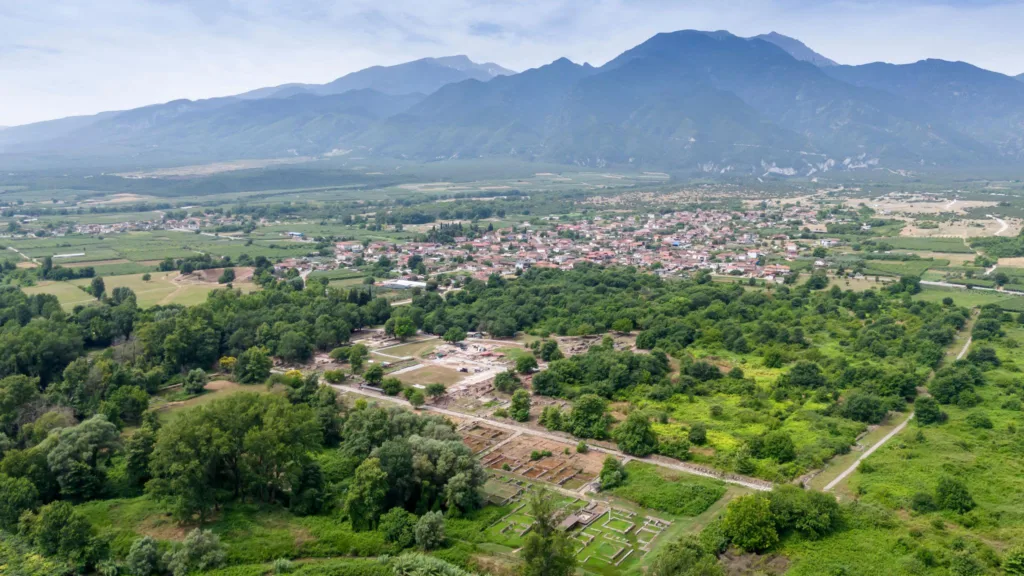
In Dion there was a great sanctuary of Zeus and important Greek religious ceremonies.
5. Greek education and culture
Alexander the Great was taught by Aristotle.
The Macedonians:
- used Greek writing,
- adopted Greek art,
- participated in the Delphi and Olympic institutions,
- They spread the Greek language in the East after Alexander's conquests.
The Hellenistic era that followed had Greek as the basic language.
6. Archaeological findings
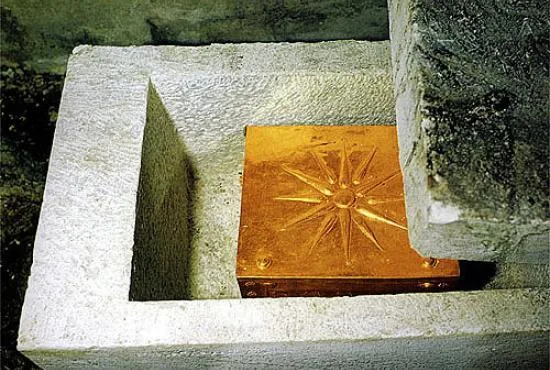
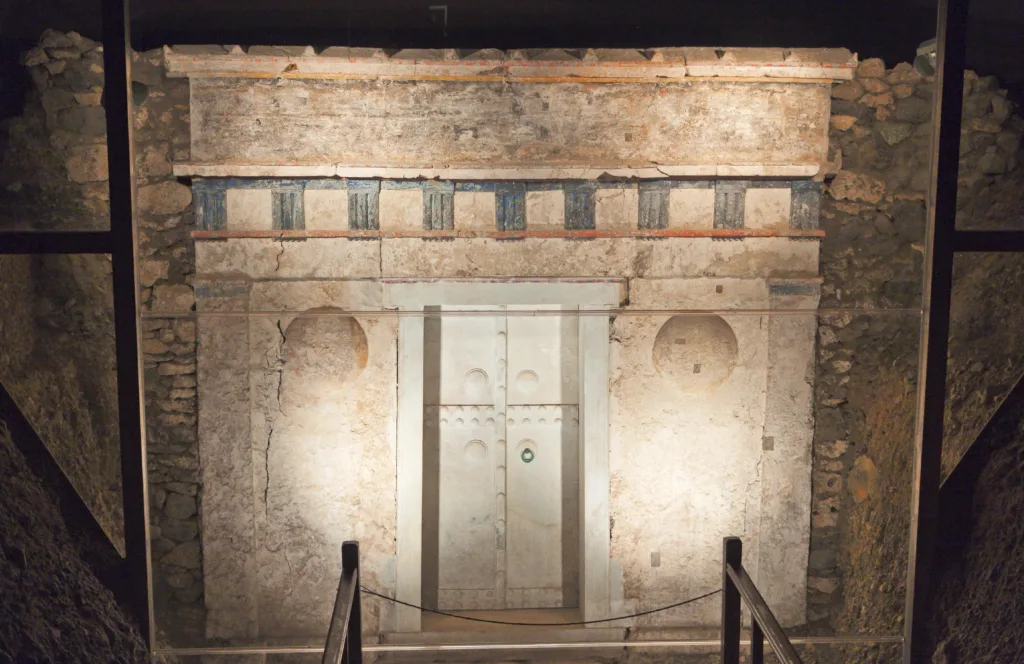
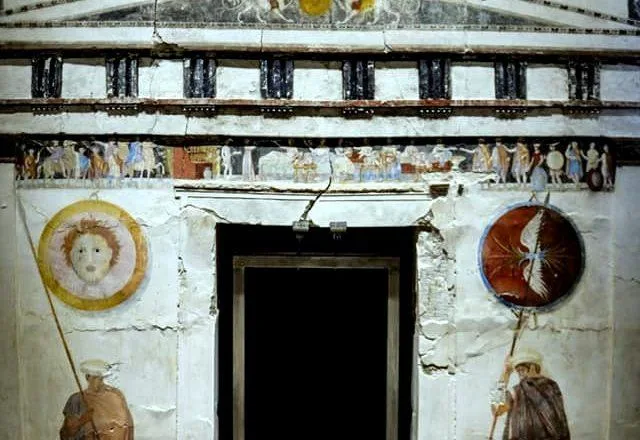
The royal tombs of Vergina clearly present Greek elements in art, inscriptions and burial customs.
7. What ancient writers themselves said
Many ancient writers considered Macedonians Greek or Greek gender relatives.
«The fact that the men of this family are Greeks, descendants of Perdika, as they claim, is something I can confirm firsthand and which I will then make absolutely clear. This fact has already been judged by those who organize the Panhellenic games in Olympia»
(Herodotus, Stories 8.43)
Some Athenian orators, such as Demosthenes, called Philip II of Macedonia «barbarous». This is often interpreted as a political insult in the context of the Athens–Macedonia conflict and not necessarily as an ethnological designation.
Let's ask Alexander himself about his identity:
Arrian for Alexander’s letter to Darius III
In November 333, Alexander defeated Persian king Darius III Codomanos. After the battle of Issus, Darius offered to deliver half of his empire. The Macedonian king considered it inadequate· Greek writer Arrian the Nicomedius describes Alexander's response to chapter 2.14 of «Ascent» of. The translation was made by M.M. Austin.
While Alexander was still in Marathus, envoys of Darius arrived at him with a letter and a request that they verbally carried to release Darius' mother, wife and children.
The content of the letter was that there was friendship and alliance between Philip and Artaxerxes, but when his son Artaxerxes, Arsis, ascended to the throne, Philip was the original attacker against Arces, although he had not suffered any damage from the Persians. Since Darius' recovery, Alexander had sent no envoy to confirm the old friendship and alliance, but crossed with an army in Asia and caused great damage to the Persians.
That was why Darius had come down to defend his country and maintain his ancestral authority. The battle had been judged as some god wanted it, but he, as king to king, sought the release of his captive wife, mother and children, and was ready to enter into a treaty of friendship with Alexander and become his ally. He asked Alexander to send envoys to accompany the Persian envoys Menisco and Arcima and exchange mutual assurances.
Alexander’s letter to Darius III
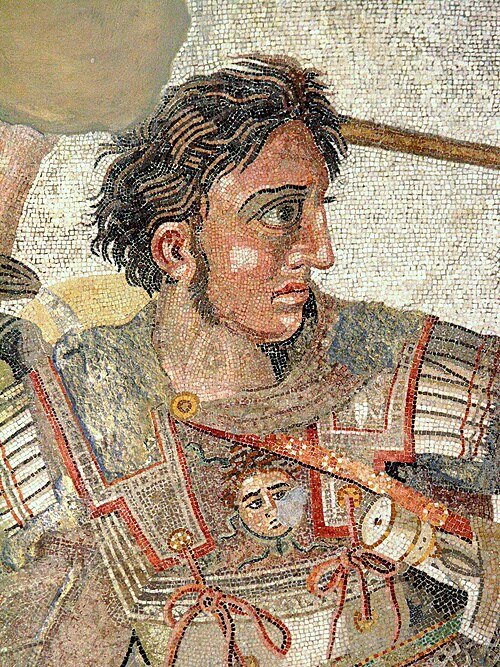
«Your ancestors have invaded in Macedonia and the rest of Greece And they caused us harm, even though we had not caused you any damage in the past. I have been appointed commander-in-chief of the Greeks and in order to punish the Persians I passed to Asia, since you are the attackers.
[2.14.5] You supported the people of Perinthus, who had hurt my father, and Ochos sent an army to Thrace, which was under our rule. My father died in the hands of conspirators you instigated, as you yourself boasted to everyone in your letters, killed Arcee with the help of Baboa and conquered your throne by unfair means, defying Persian customs and unjustizing the Persians. You sent hostile letters to the Greeks for me, to push them into war against me,
[2,14.6] and you sent money to the Spartans and some other Greeks, which none of the other cities accepted except the Spartans. Your envoys corrupted my friends and tried to destroy the peace I established among the Greeks. Note: So I led a campaign against you, and you started the fight.
[2,14.7] But now I have defeated your generals and satraps in battle first, and now you personally and your army, and with the grace of the gods I control the country. Those who fought by your side and did not die in battle but came by my side, I consider them mine.· They're not on my side under pressure, but they're taking part in the campaign of their own volition.
[2,14.8] Reach me, then, as principal of all Asia. If you're afraid to suffer harm on my part if you come in person, send some of your friends to get the right assurances. Come to me to ask and receive your mother, your wife, your children and whatever else you wish. Anything you can get me to give you will be yours.
[2.14.9] In the future, whenever you communicate with me, send me as King of Asia· Don't write me as an equal, but make your demands to the master of all your fortunes. If not, I'll treat you as a offender. If you wish to claim the title of king, then stand up and fight for him· Don't run away as I'll pursue you wherever you are.«
What does historical research say today?
The majority of modern historians and archaeologists consider that:
- ancient Macedonians belonged to the Greek world,
- spoke Greek or very related Greek dialect,
- had a particular regional identity,
- but culturally and religiously were Greeks.
There are still academic discussions about:
- the nature of the Macedonian dialect,
- the degree of differentiation from southern Greeks,
- and how different social classes in Macedonia identified themselves.
But the general scientific trend today is that ancient Macedonia was part of the ancient Greek world.
After all, the scientific community uses the term «Hellenistic period» (The three centuries of Greek history between the death of Macedonian King Alexander in 323 BC and Augustus' rise to Rome in 31 BC are known collectively as Hellenistic period)