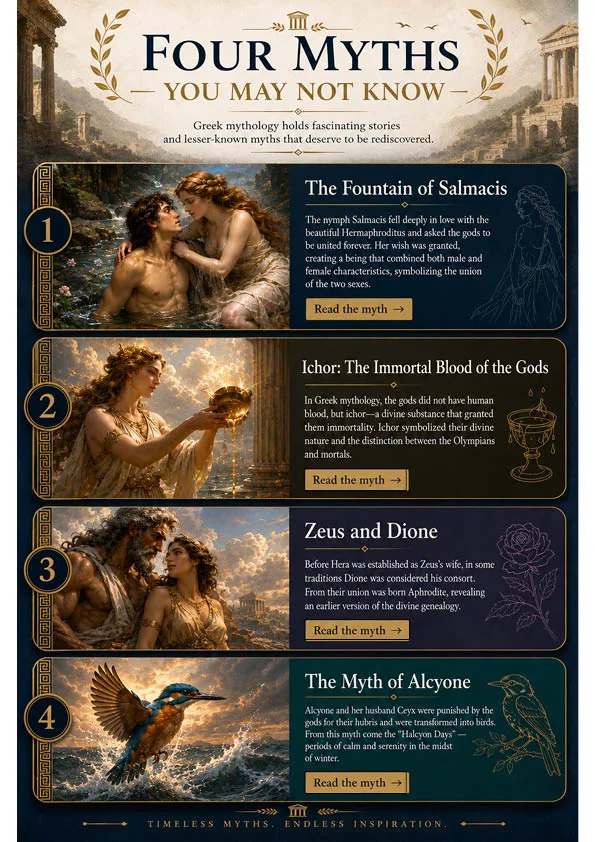
Greek mythology is full of well-known stories, but it also contains lesser-known myths with special symbolism. Below, discover four fascinating tales that go beyond the ordinary.
Greek Mythology: An Inexhaustible Treasure Trove of Stories and Symbolism
Greek mythology is one of the most important pillars of world culture. Through ancient Greek myths, people sought to explain the creation of the world, natural phenomena, as well as deeper emotions and human frailties. These stories are not merely works of fiction, but vehicles of knowledge, philosophy, and cultural identity that continue to influence literature, art, and everyday thought to this day.
At the heart of Greek mythology are the gods of Olympus, led by Zeus, the god of the sky and lightning. Alongside him stand Hera, - Athena, Poseidon, Apollo and Aphrodite, deities representing different forces of nature and human existence. The myths of the Olympian gods are filled with conflicts, romances, betrayals, and alliances, revealing a strongly anthropomorphic dimension of the divine.
At the same time, the heroes of Greek mythology hold a special place. Hercules, Perseus, Theseus and Achilles They are symbols of strength, courage, and tragedy. Their feats and adventures reflect humanity’s struggle against fate and the hardships of life. Through these myths, the concepts of hubris and nemesis—that is, the punishment that follows excessive arrogance—are brought to light.
The lesser-known myths of Greek mythology are also particularly interesting, as they often conceal deeper symbolism. For example, the myth of Salmacis and Ermaphroditus refers to the union of the opposite, while the ichorThe divine blood of the gods symbolizes immortality and divine essence. Accordingly, the history of Alcyone explains the "halcyon days," offering a mythological interpretation of natural phenomena.
The significance of Greek mythology is not limited to the past. Today, it is a key subject of study in fields such as literature, history, psychology, and anthropology. Many modern concepts, symbols, and expressions have their roots in these myths.
In summary, Greek mythology is more than just a collection of stories. It is a living entity of knowledge and culture that continues to inspire and guide us. Whether familiar or obscure, every myth contains a message that remains timeless, making Greek mythology an integral part of our global heritage.
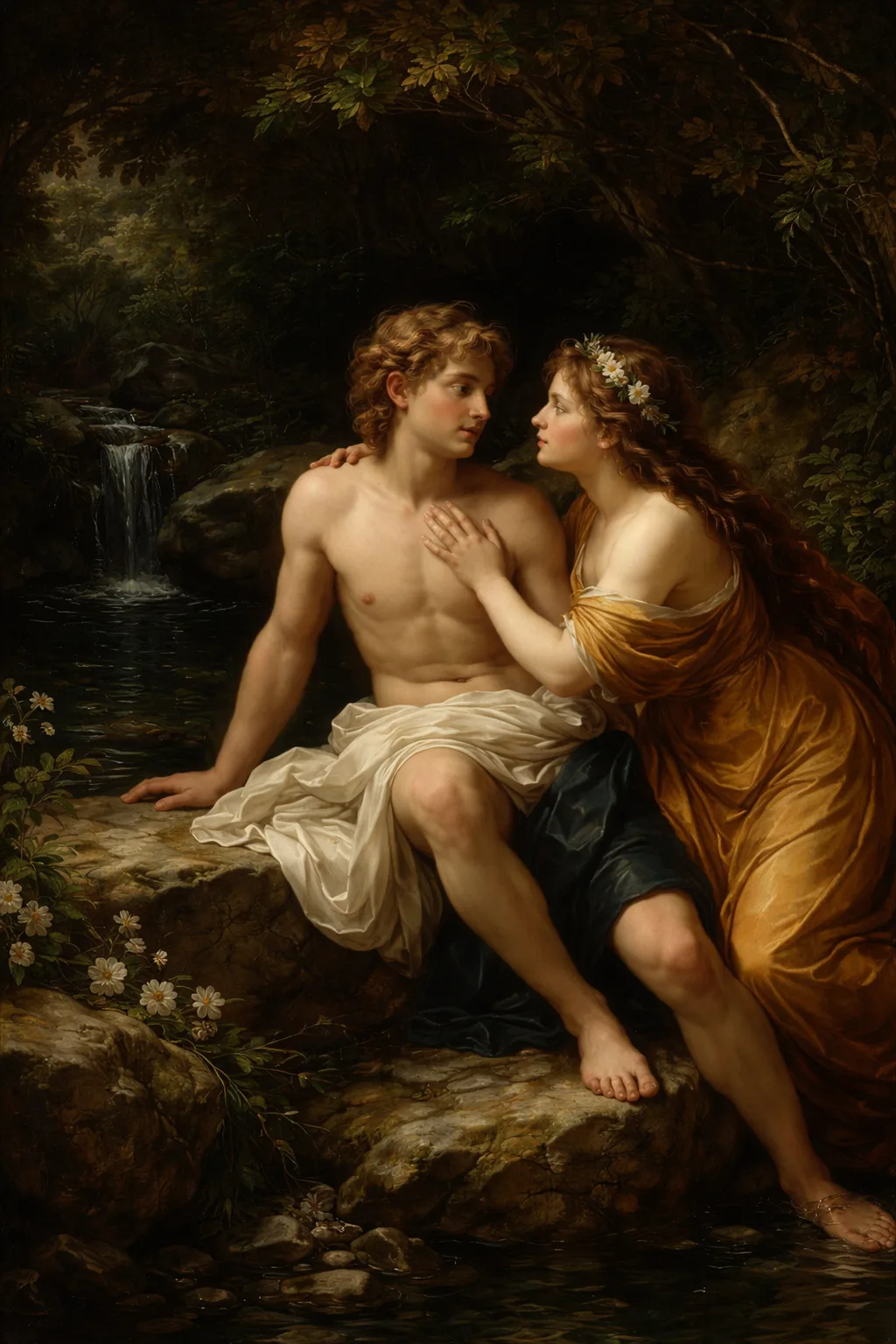
The Salmacia Spring
The bride Salmakis fell madly in love with the beautiful Ermaphrodite and begged the gods to unite forever. Her desire was fulfilled, creating a being combining male and female characteristics, symbolizing the union of the two sexes. :contentReference[oaicite:0]{index=0}
Read the myth →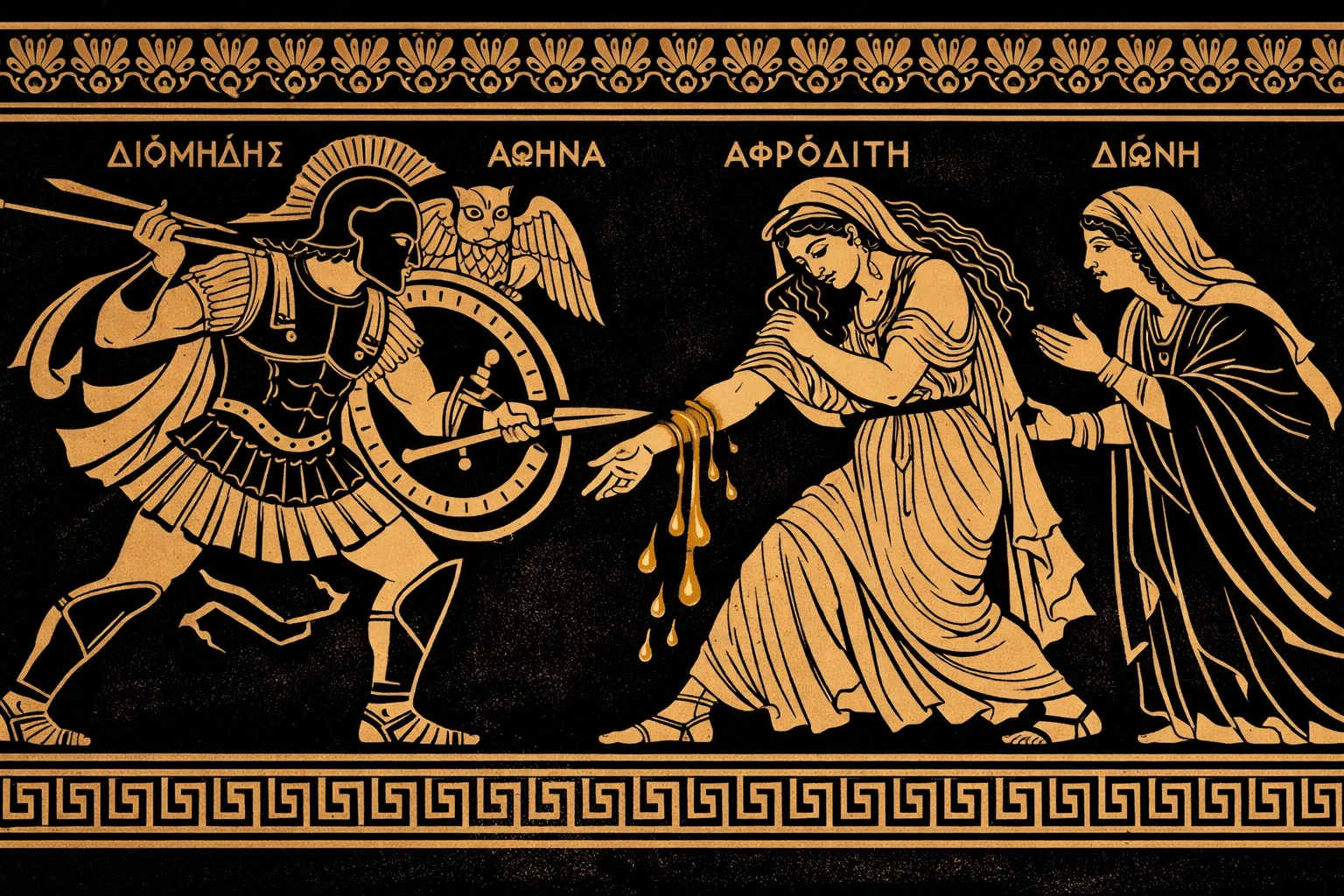
Ihor: The Immortal Blood of the Gods
In Greek mythology, the gods had no human blood but ihor – a divine substance that gave them immortality. The ihor symbolized the divine nature and the difference between Olympians and mortals.
Read the myth →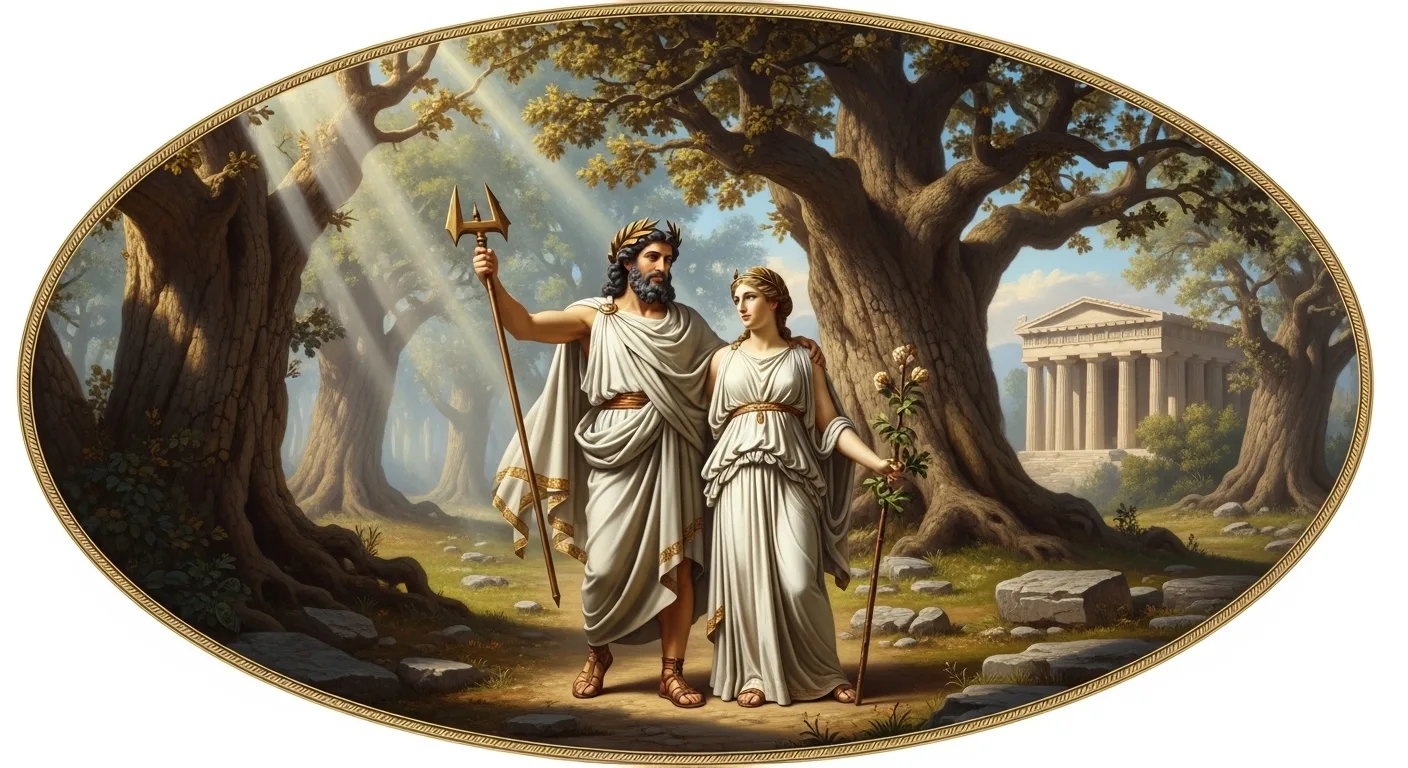
Zeus and Dione
Before Hera was established as Zeus' wife, in certain traditions Dioni was considered his partner. Venus was born of this union, highlighting an older version of divine genealogy.
Read the myth →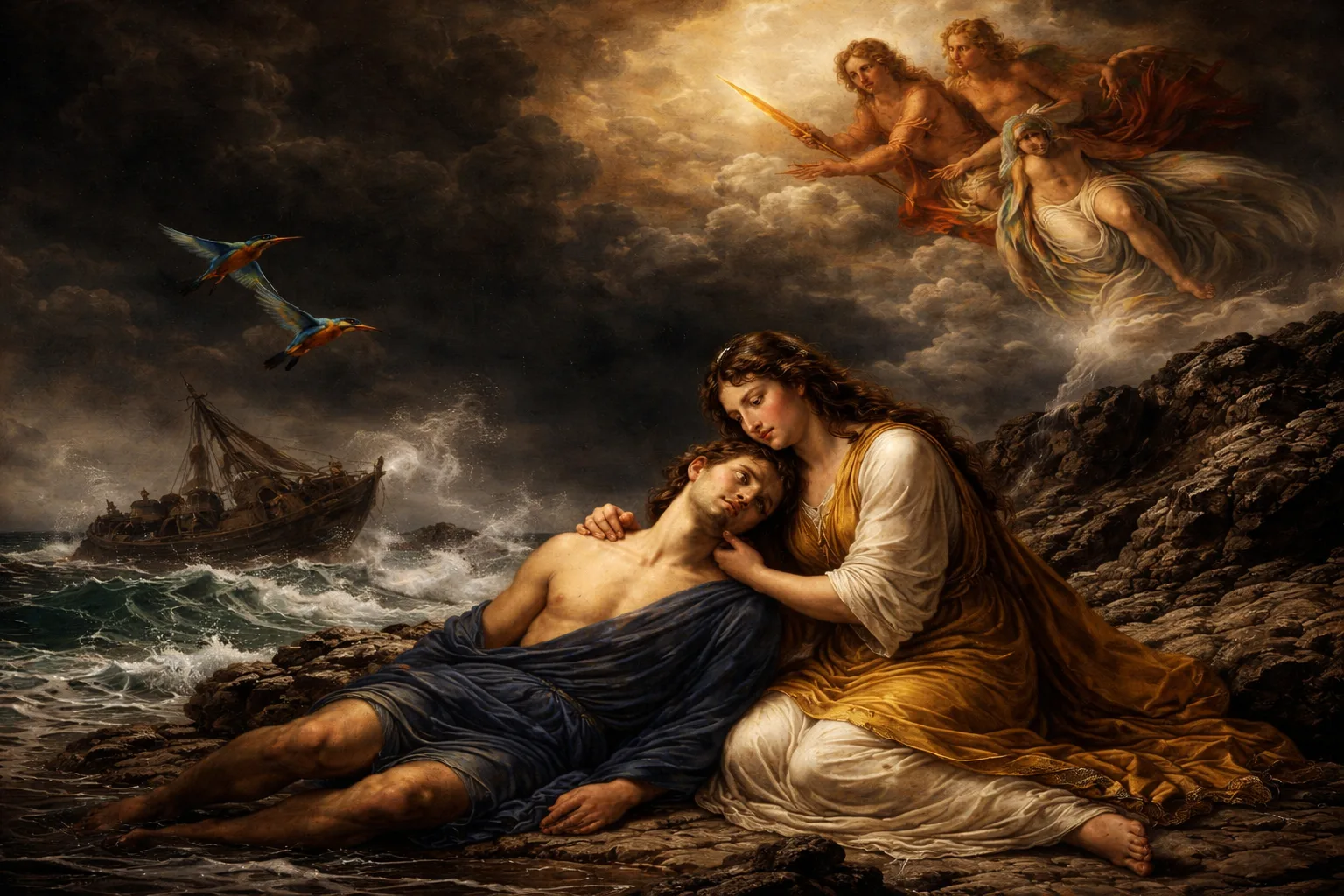
The Myth of Alcyone
Alkyone and her husband Keix were punished by the gods for their hubris and transformed into birds. From the myth come the «alkyonide days», periods of peace in winter.
Read the myth →