
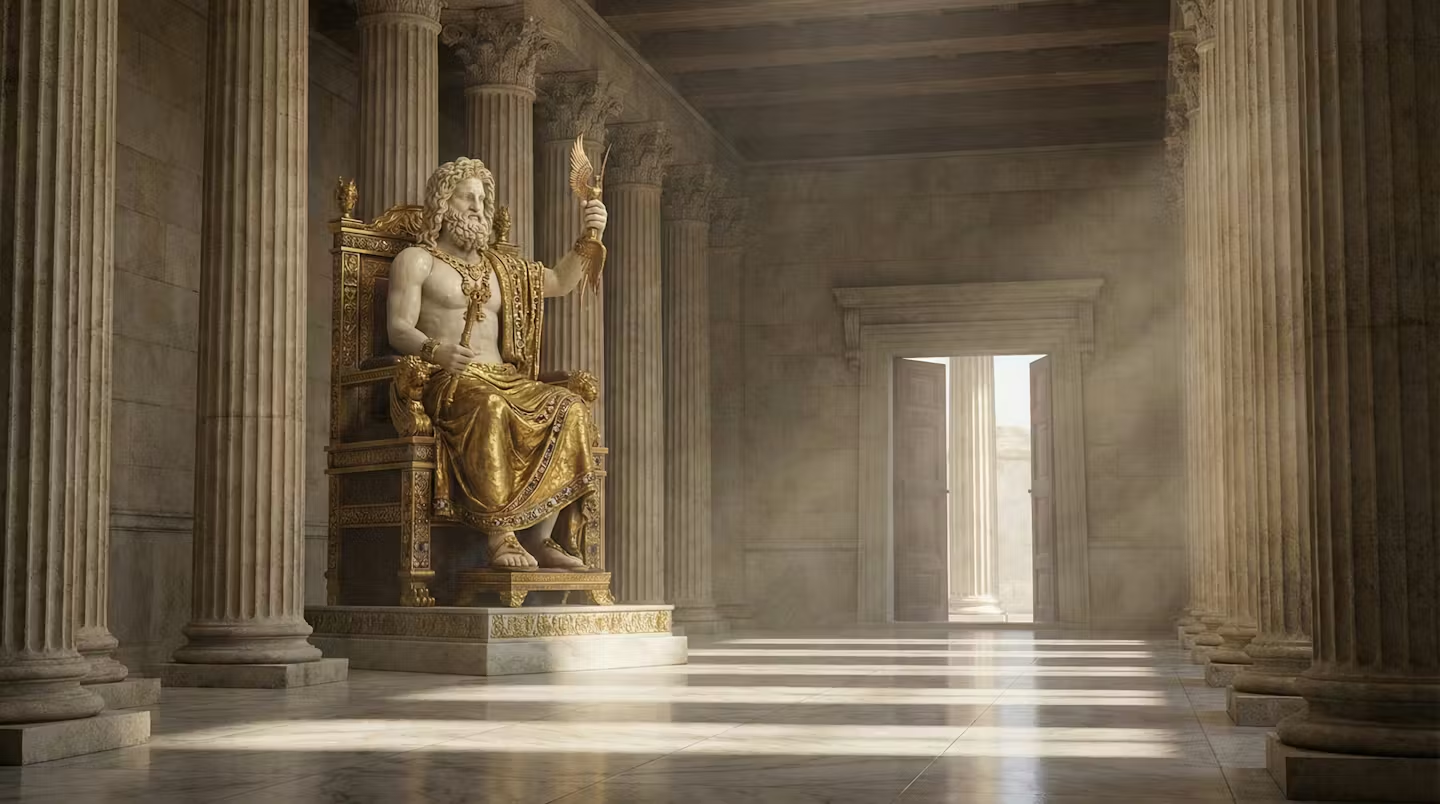
Ancient Greek temples are among the most significant architectural achievements in the history of human civilization. They were not merely places of worship, but symbolic centers of the city-state, expressing the aesthetics, religiosity, and social organization of the ancient Greeks. Each temple served as the dwelling place of deity, where the statue of God was kept, while rituals took place mainly in the outer space.
The harmony of proportions, geometric accuracy and the use of mathematical rules make Greek temples standards of architectural perfection. From the strict doric rhythm to the elegance of the Ionian and the luxury of Corinthian, these temples deeply influenced the architecture of Rome and Renaissance.
Structural elements
- Stylobate: The upper plane of the base on which the columns are placed.
- Crepidoma: The total levels supporting the temple.
- Columns: Vertical supports, consisting of a base (not always), trunk and capital.
- Cionocrane: The upper part of the column, differentiated according to the rate.
- Architrave: Horizontal structural element above columns.
- Frieze: A decorative band, often featuring relief sculptures.
- Pediment: Triangular section on the facade of the temple.
- Cella (Naos): The interior space where the statue of the deity was located.
- Pronaos / Opisthodomos: Front and rear space respectively.
- Doric Order
- Simple, strict, no base on columns
- Thick trunk, lean capital
- Ionic Order
- More elegant, based on
- Helicopters
- Corinthian Order
- Rich decoration
- Head cabbages with thorn leaves
- Composite / Mixed Order
- Combination of Doric, Ionic and Corinthian elements
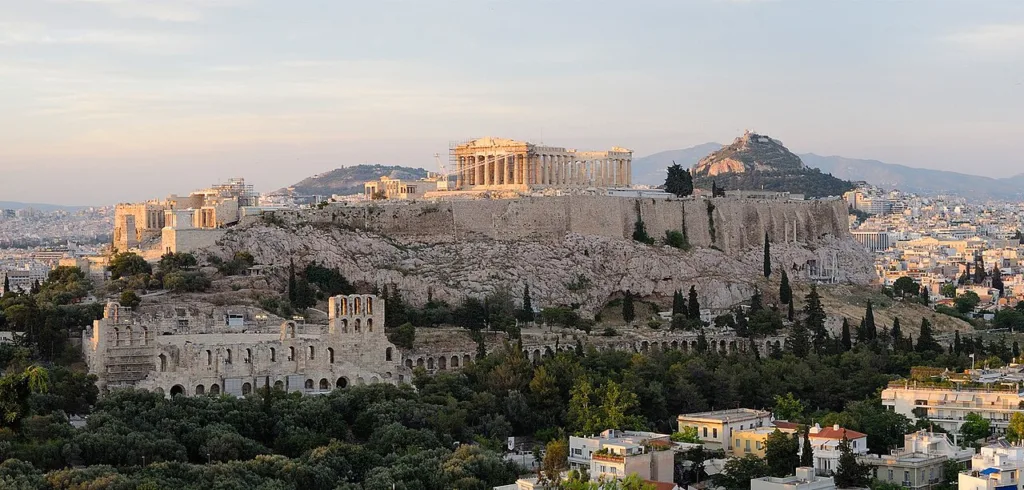
1. Parthenon
Dedication: Athena Virgin
Chronology: 447–432 BC
Rate: Doric
Description: The top monument of ancient Greece in Acropolis AthensSymbol of democracy and classical perfection, designed by Octinus and Kallikratis, with his sculptures Phidia.
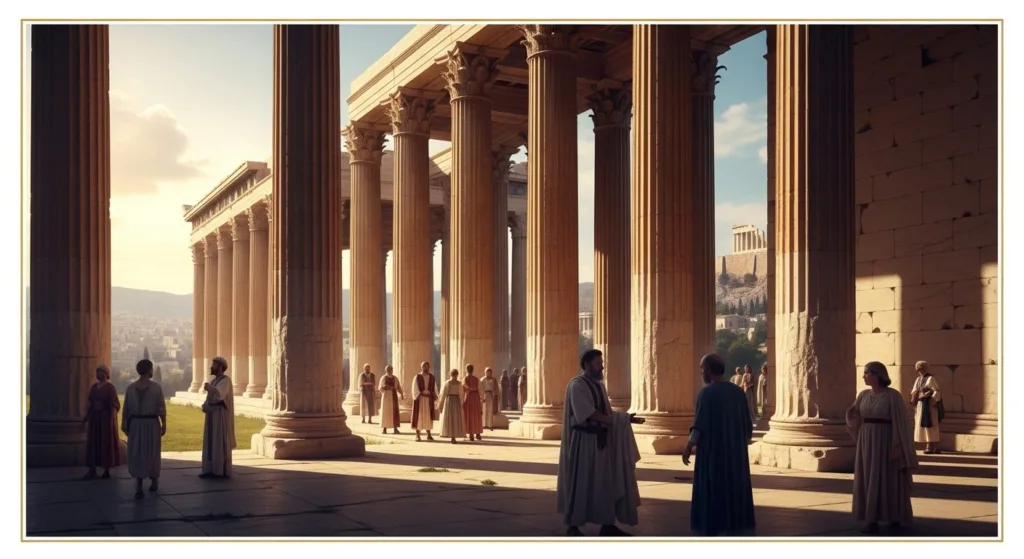
2. Temple of Zeus in Olympia
Dedication: Zeus
Chronology: c. 457 BC
Rate: Doric
Description: It hosted the Chryselephant statue of ZeusOne of the seven wonders of the ancient world.
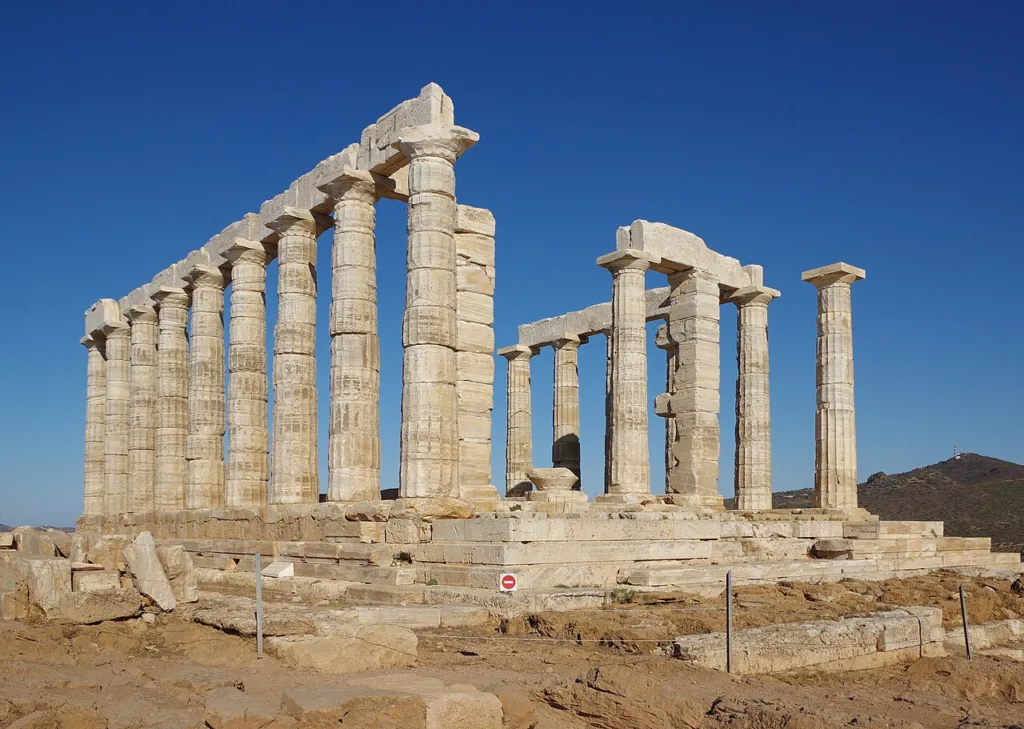
3. Temple of Poseidon in Sounio
Dedication: Poseidon
Chronology: c. 444 BC
Rate: Doric
Description: An iconic temple on a cape overlooking the Aegean Sea, connected with sailors and myths.
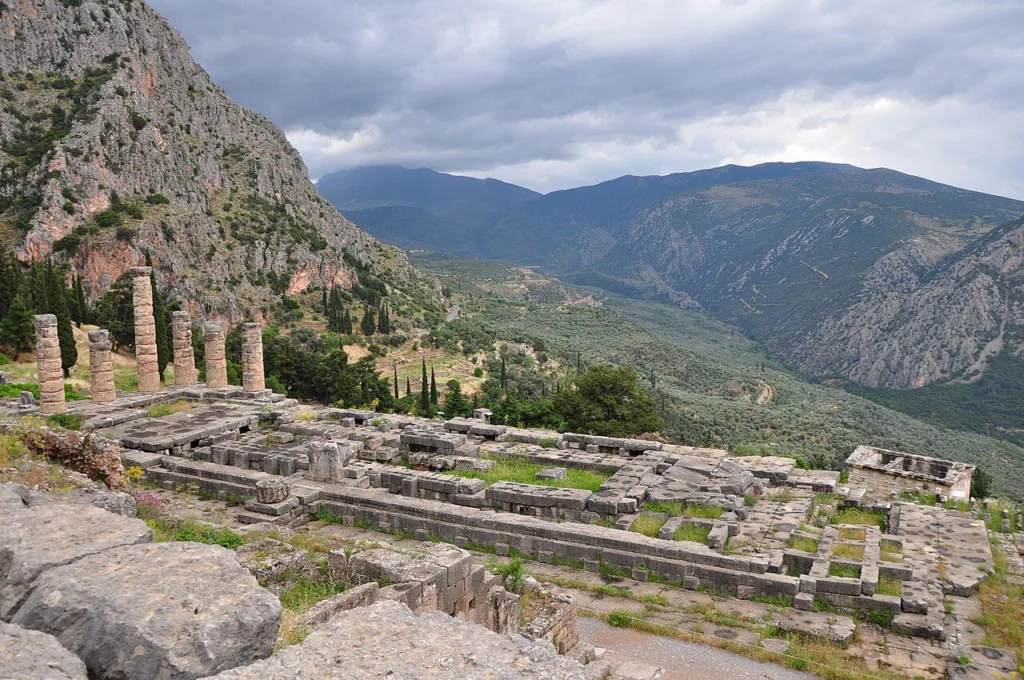
4. Temple of Apollo in Delphi
Dedication: Apollo
Chronology: 4th century BC
Rate: Doric
Description: Heart of the Oracle of Delphi, where Pythia spoke.
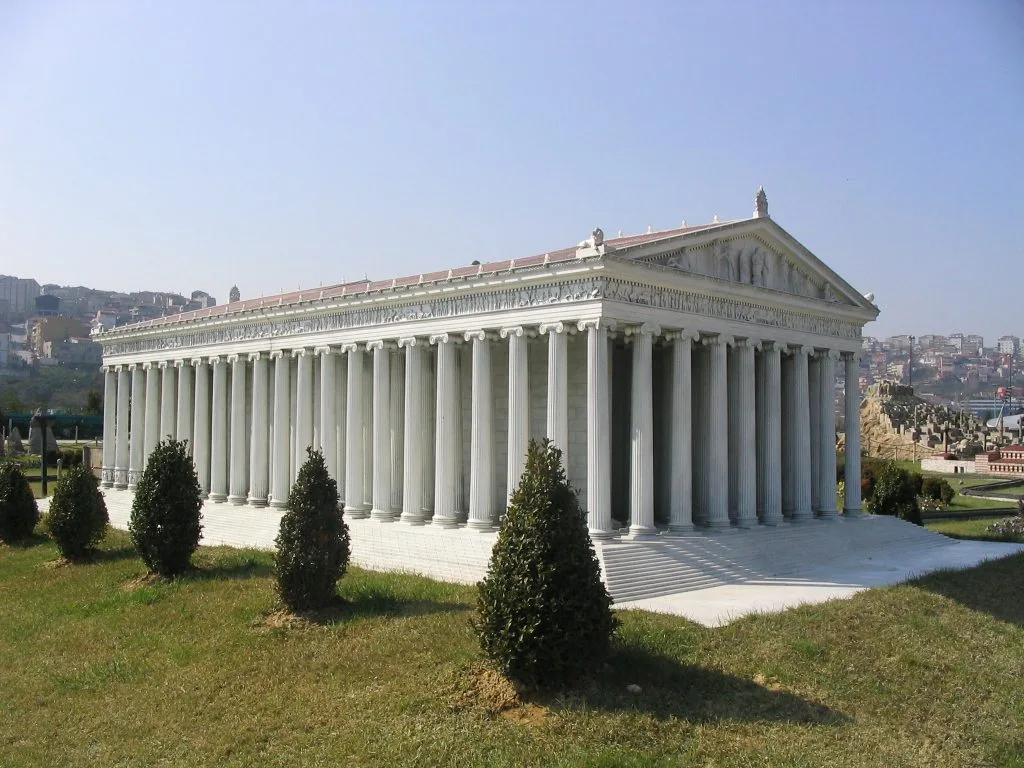
5. Temple of Artemis in Ephesus
Dedication: Artemis
Chronology: c. 550 BC
Rate: Ionic
Description: One of the Seven Wonders of the Ancient World, huge and luxurious.
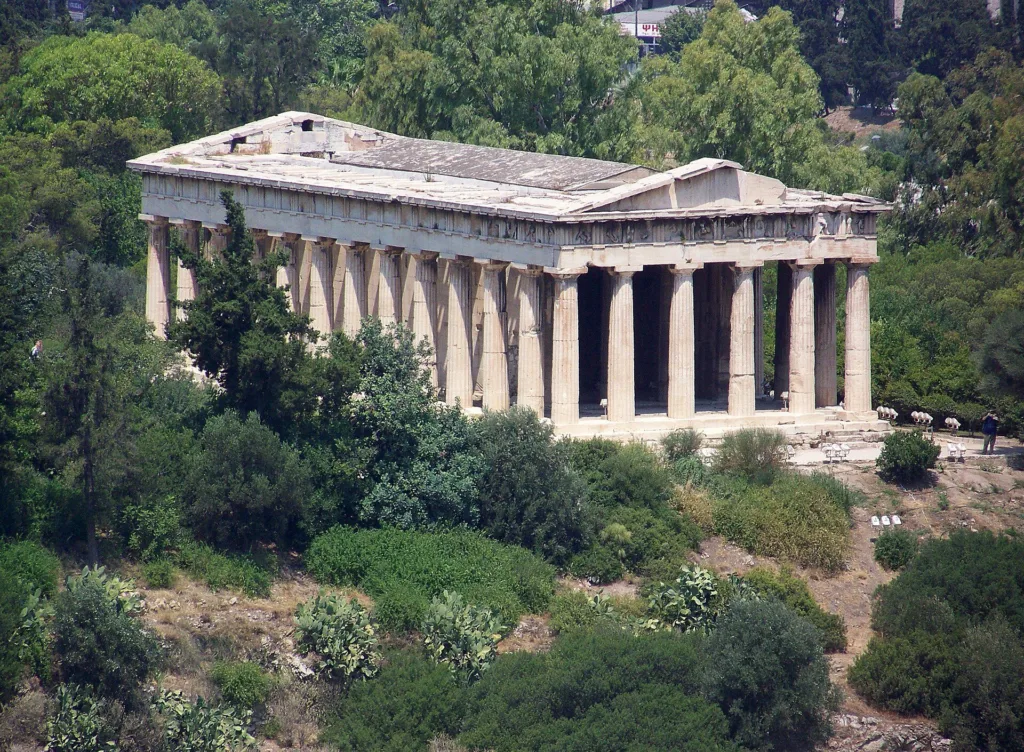
6. Temple of the Volcano
Dedication: Hephaestus
Chronology: c. 449 BC
Rate: Doric
Description: The best preserved ancient Greek temple in the Ancient Agora Athens.
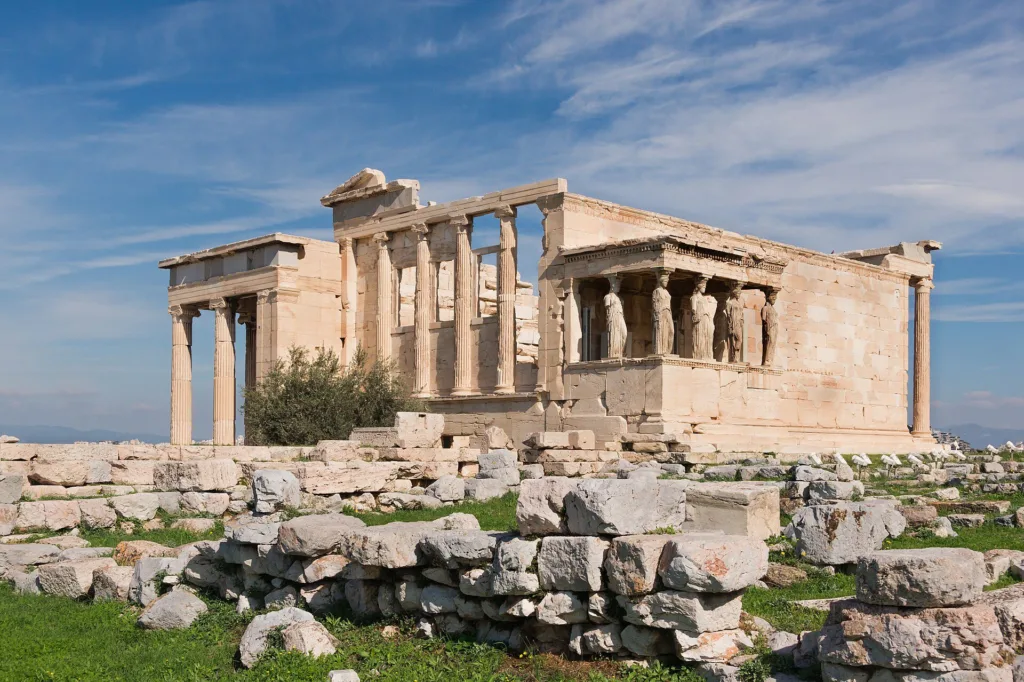
7. Erechthio
Dedication: Athena & Poseidon
Chronology: 421–406 BC
Rate: Ionic
Description: Famous for Caryatids and its special architecture.
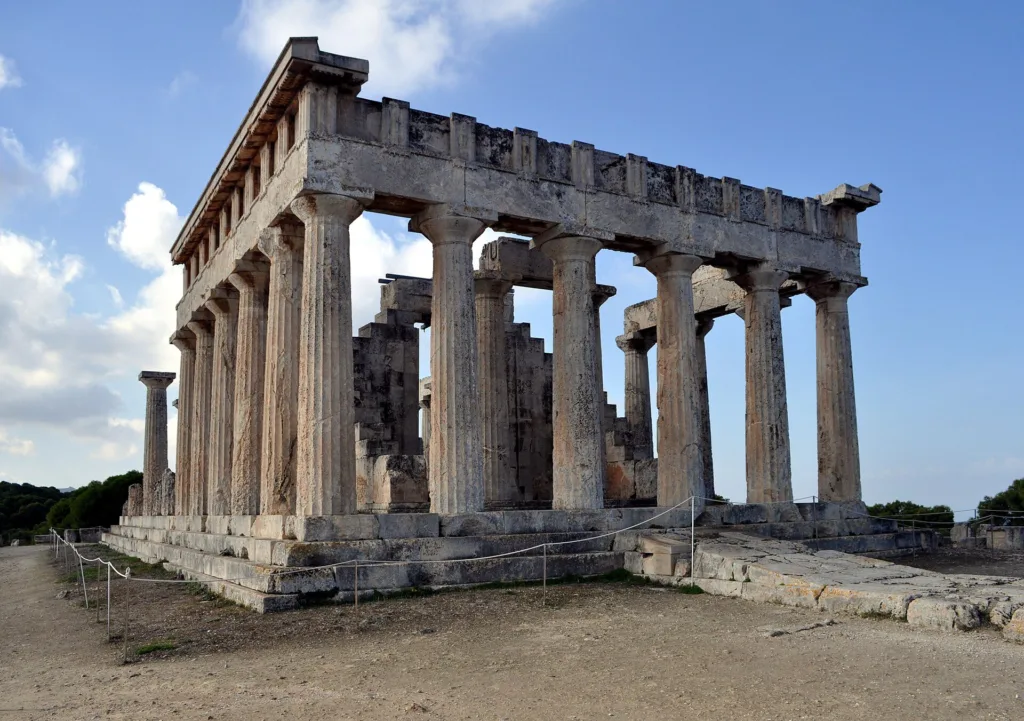
8. Temple of Aphaia
Dedication: Aphaia
Chronology: c. 500 BC
Rate: Doric
Description: An important temple with excellent views and architectural symmetry.
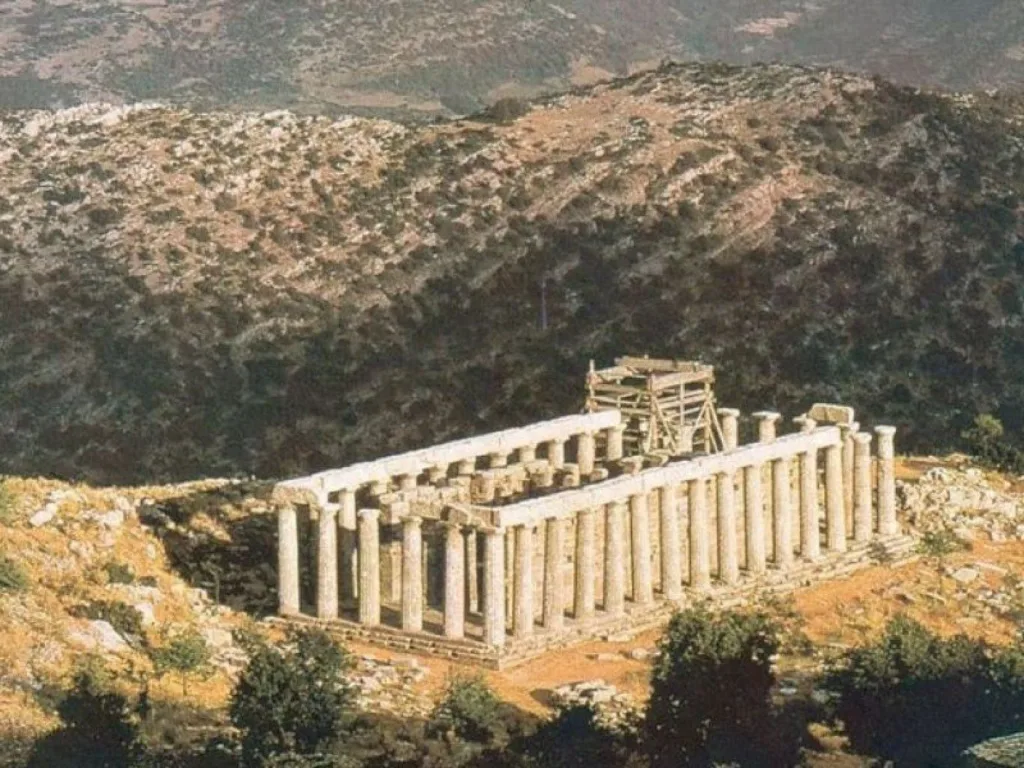
9. Temple of Epicurius Apollo
Dedication: Apollo
Chronology: c. 420 BC
Rate: Mixed (Doric + Ionic + Early Corinthian)
Description: Unique for the combination of rhythms and the isolated location in the Vases of Figalia.
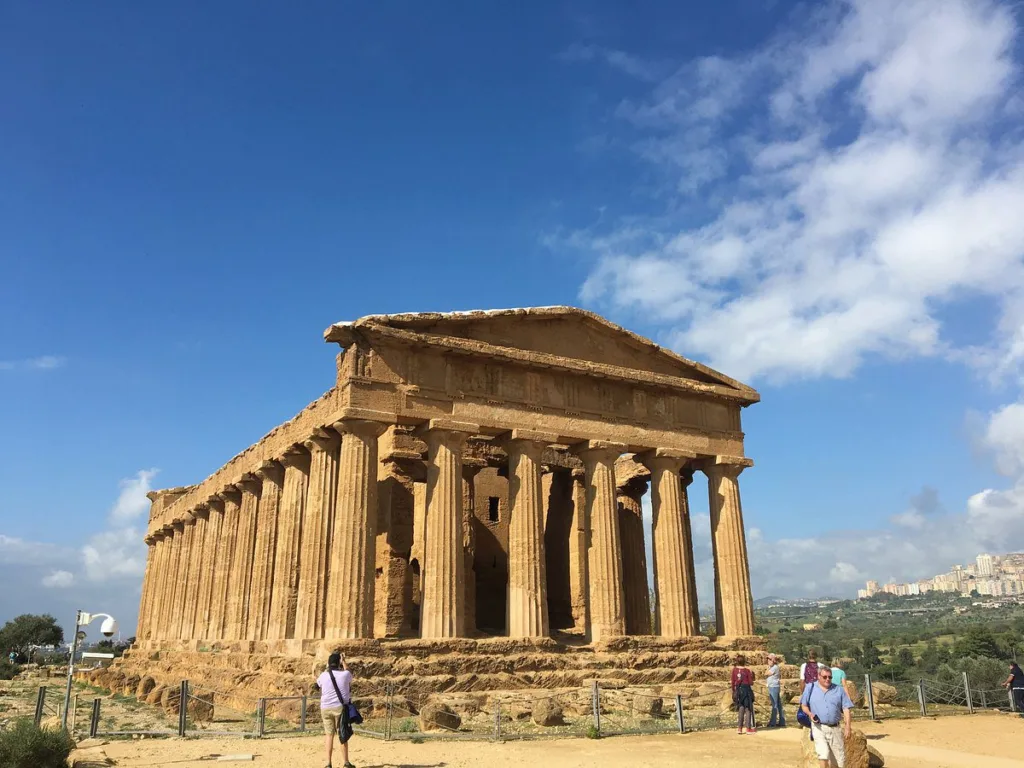
10. Temple of Omonia
Dedication: (probably) Hera or other god)
Chronology: c. 440 BC
Rate: Doric
Description: One of the best preserved temples of the Great Greece of Aragana, on the south coast of Sicily.
What is an ancient Greek temple?
The ancient Greek temples were buildings dedicated to the gods, where the statue of the deity was kept.
What is the most famous Greek temple?
The Parthenon in Athens is considered the most famous.
How many ancient Greek temples are there?
There are hundreds of known temples in Greece, Turkey and Italy.
Conclusion
Ancient Greek temples are not merely monuments of the past, but living evidence of human creativity and the search for perfection. Their variety in rhythms, geographical spread and theological significance reveal a culture that linked art to the divine in a unique way.