
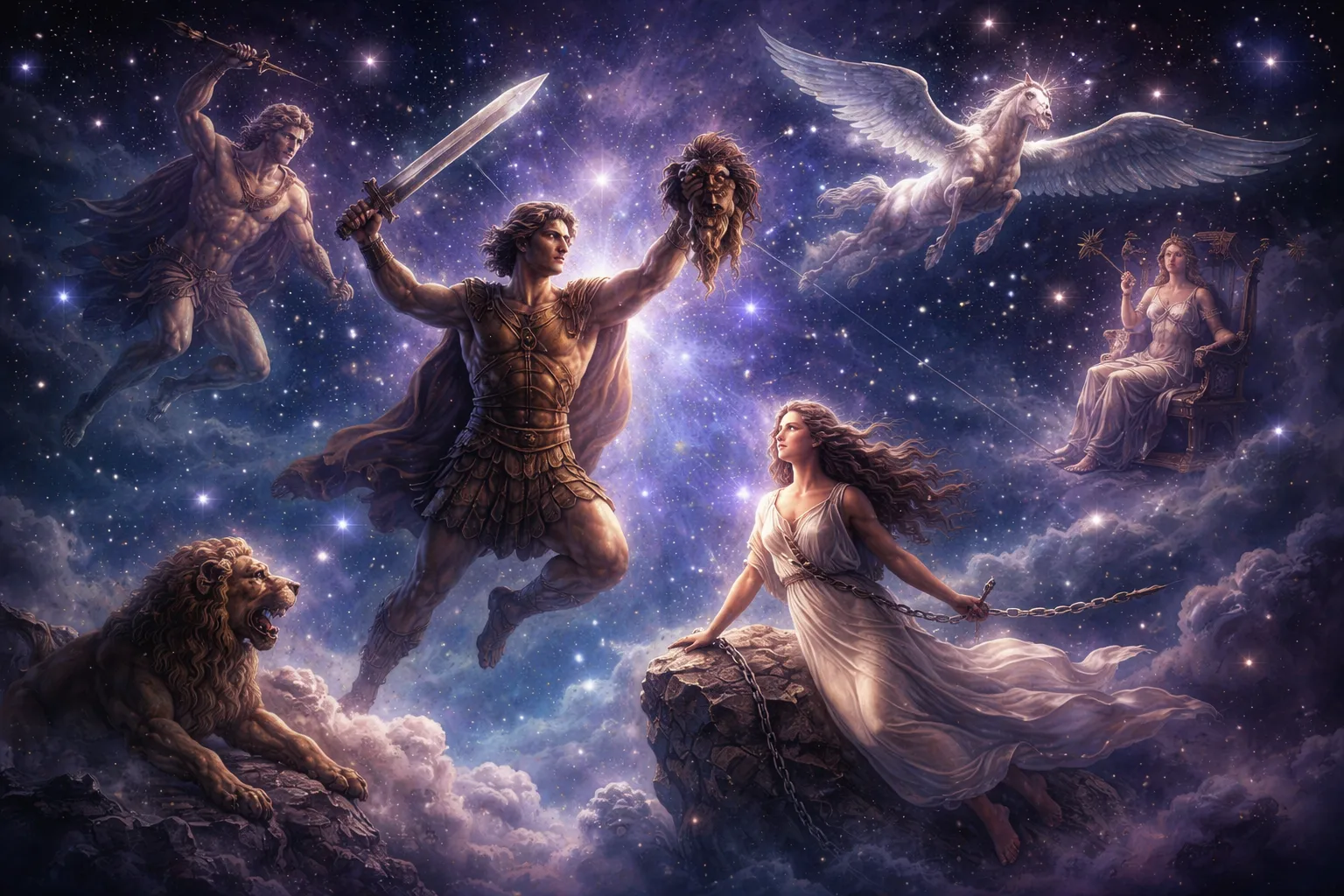
Heaven full of myths, heroes and gods
Its constellations Greek mythology are one of the most charming meeting points of science and tradition. Ancient Greeks saw not the night sky merely as a set of stars, but as a living canvas where they were depicted gods, heroes, Monsters and myths. Through these celestial formations stories were preserved transmitted from generation to generation, operating as a species «heavenly mythological encyclopedia».
In ancient Greece, astronomy and mythology were inextricably linked. The constellations served not only as means of orientation and measurement of time, but also as narrative tools. The myths explained the position and form of stars, while at the same time giving meaning to the universe.
Many constellations were attributed to forms that «placed» in heaven by the gods, often as reward, punishment or memory of an important event.
1. Orion (Orion)
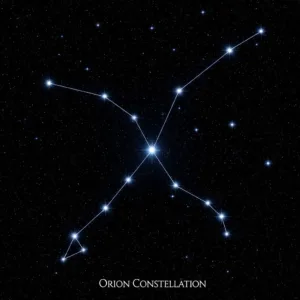
Orion was a giant hunter, known for his power and beauty. According to legend, she caused her anger goddess Artemis or Hera, resulting in death by a scorpion.
After his death, he was placed in heaven as a constellation. Against it lies the constellation of Scorpio, so that they never meet again — a symbolic depiction of their eternal conflict.
2. Andromeda (Andromeda)
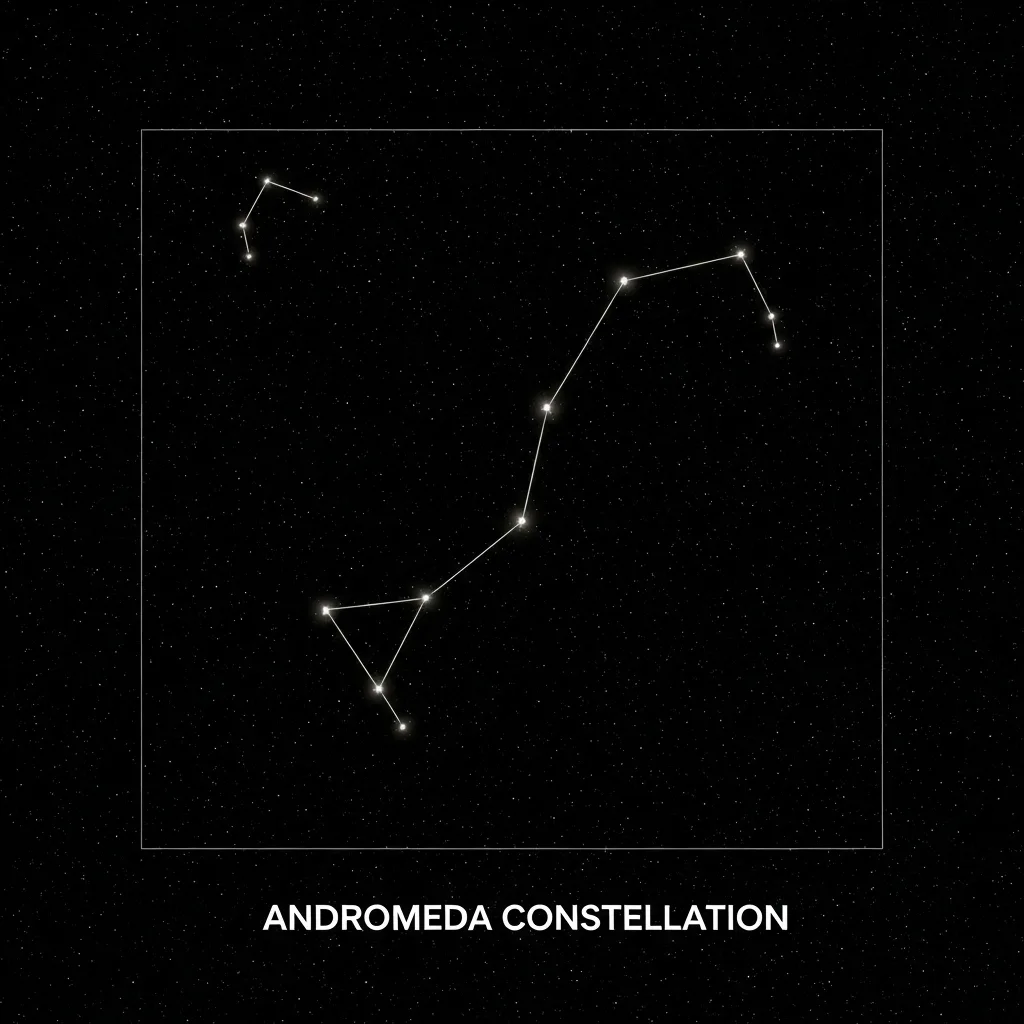
- Andromeda She was the king's daughter. Cepheus and Cassiope. When her mother boasted she was prettier than the Nereides, God Poseidon He sent a sea monster.
Andromeda was tied to a rock as a sacrifice, but saved by the hero Perseus. After her death, she became a constellation, along with her family members.
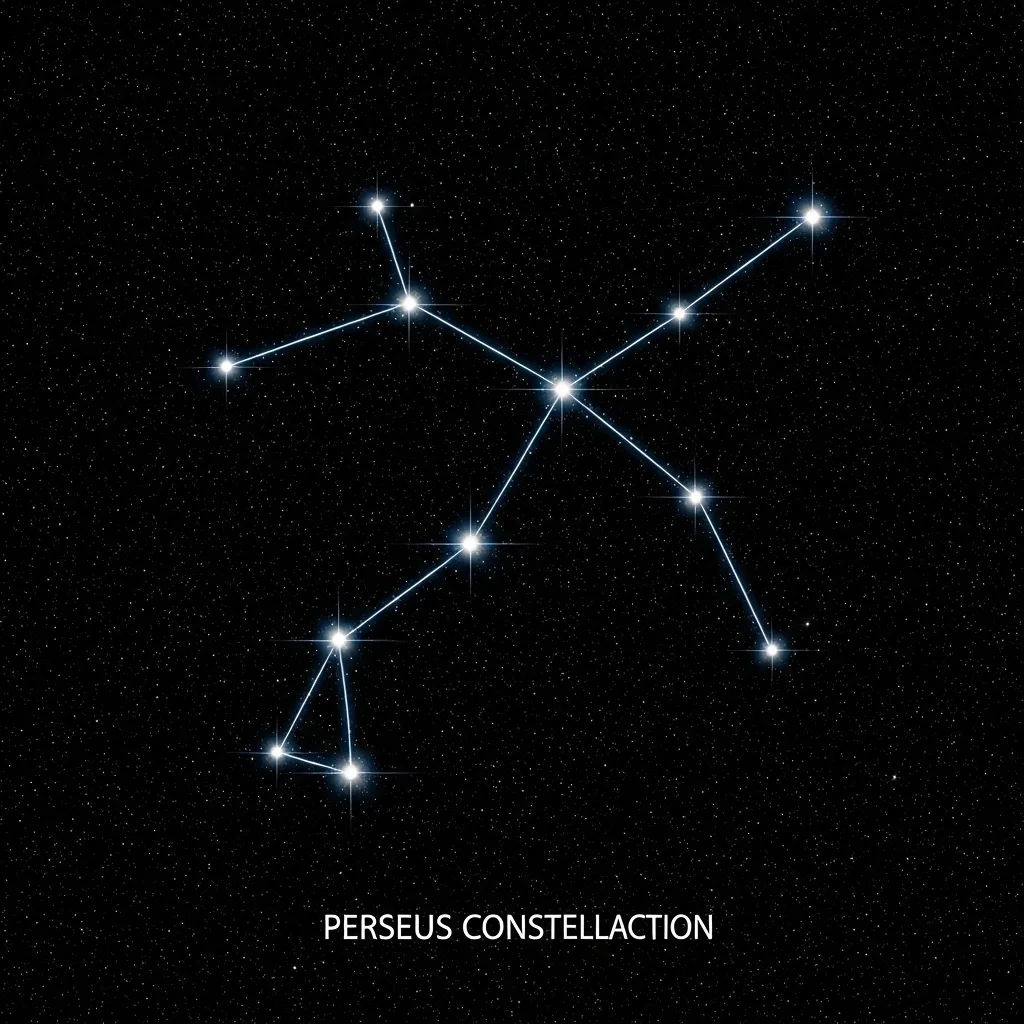
3. Perseus (Perseus)
- Perseus, known for its elimination Medusa, honored by the gods with a place in heaven. His constellation is often depicted holding her head Medusa, symbol of his victory over evil.
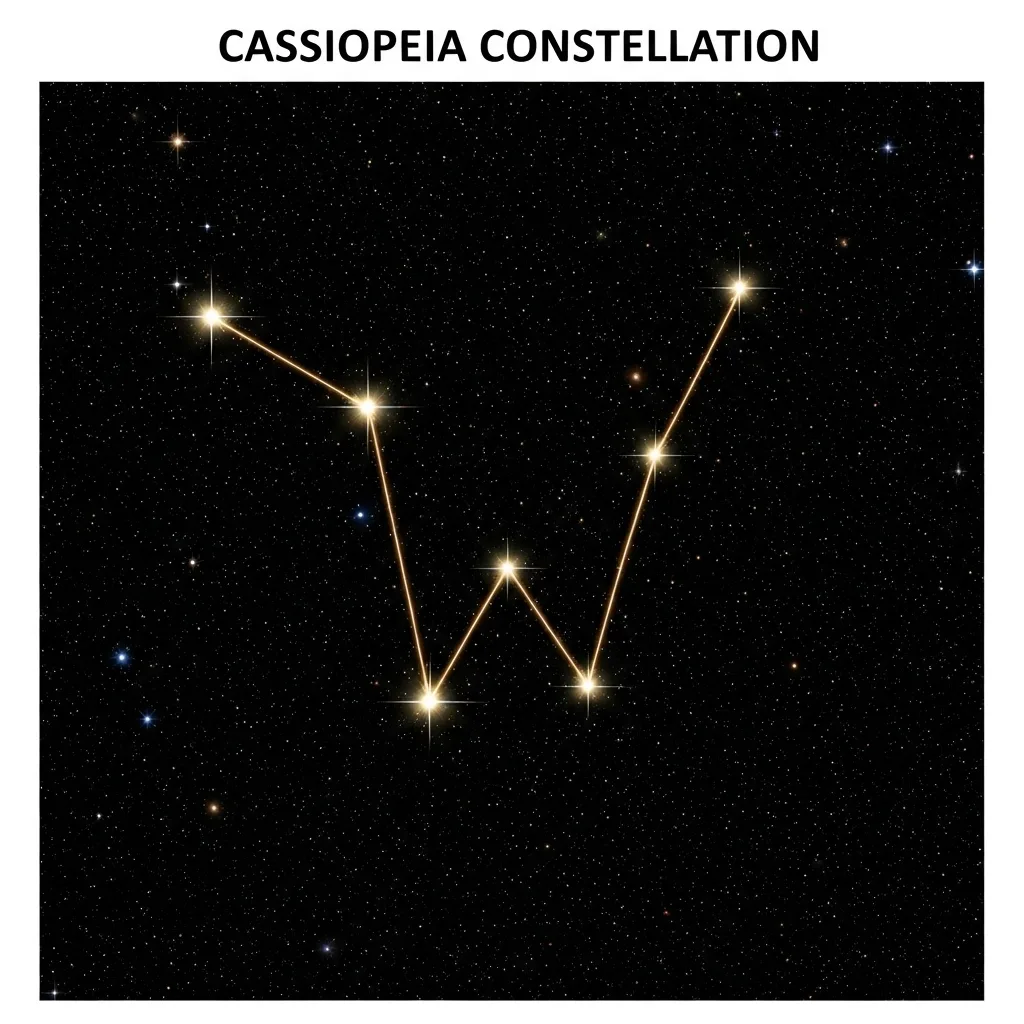
4. Cassiope (Cassiopeia)
- Cassiope He was placed in heaven sitting on a throne. However, as punishment for its arrogance, its constellation revolves around the polar star, spending much of the time «reverse», symbolizing her humiliation.
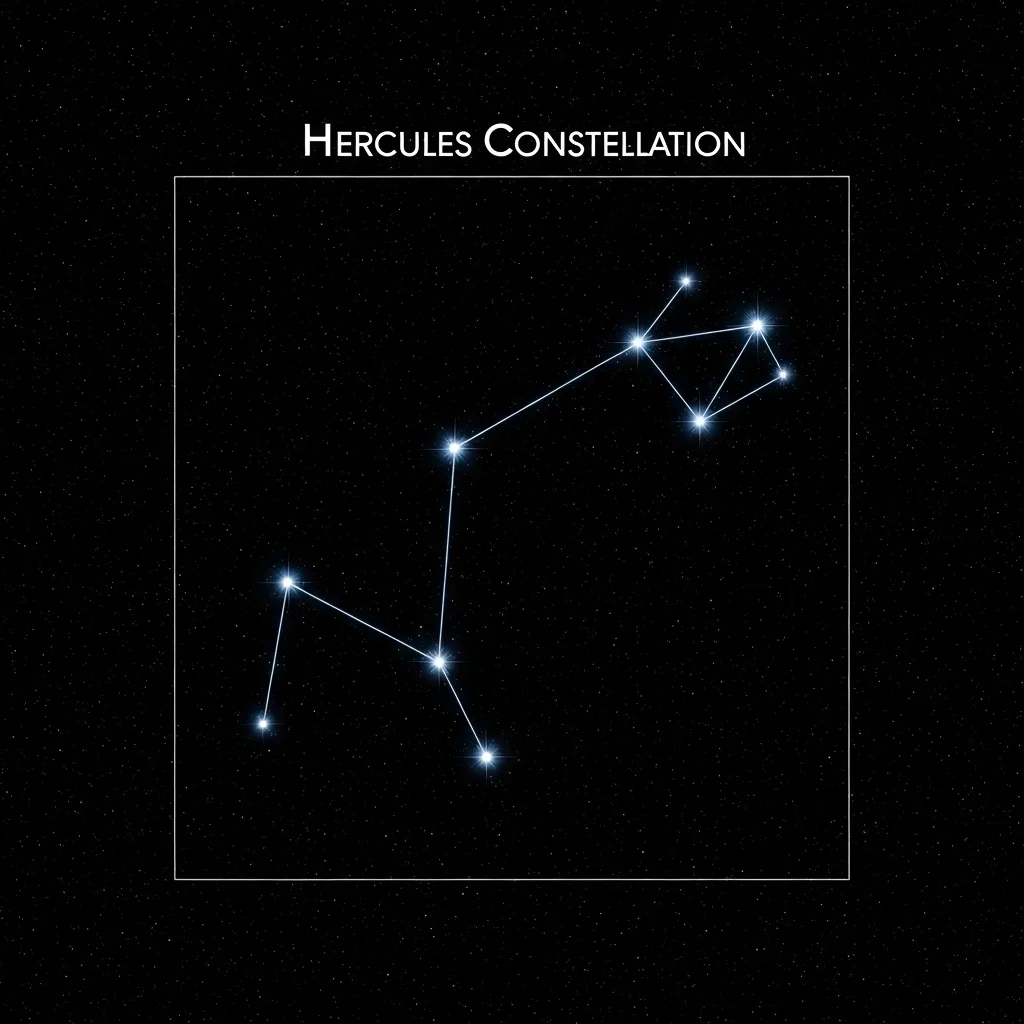
5. Hercules (Hercules)
The greatest hero of Greek mythology, HerculesAfter completing his feats, he acquired immortality and was placed in heaven as a constellation. His form is associated with strength, endurance, and divine descent.
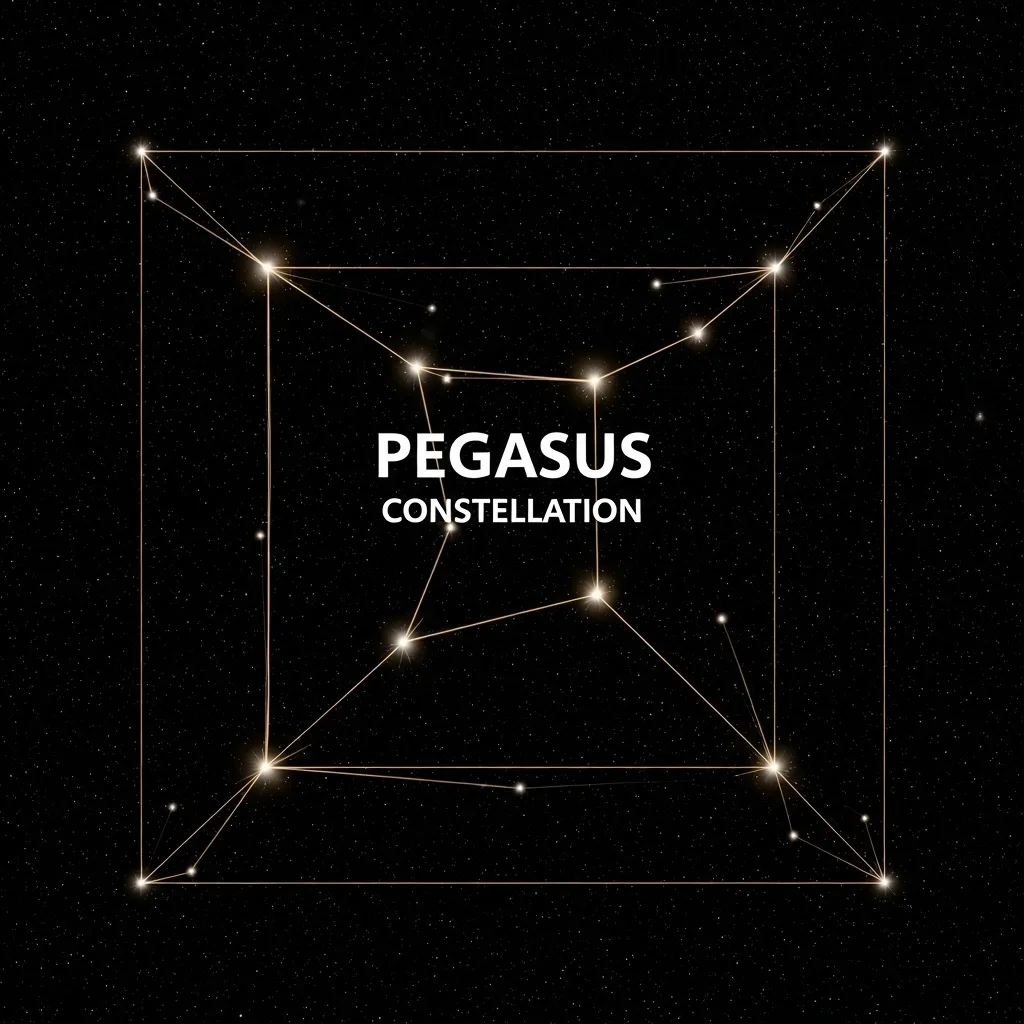
6. Pegasus (Pegasus)
The winged horse Pegasus was born of Medusa's blood when Perseus decapitated her. He was placed in heaven as a symbol of freedom and inspiration.
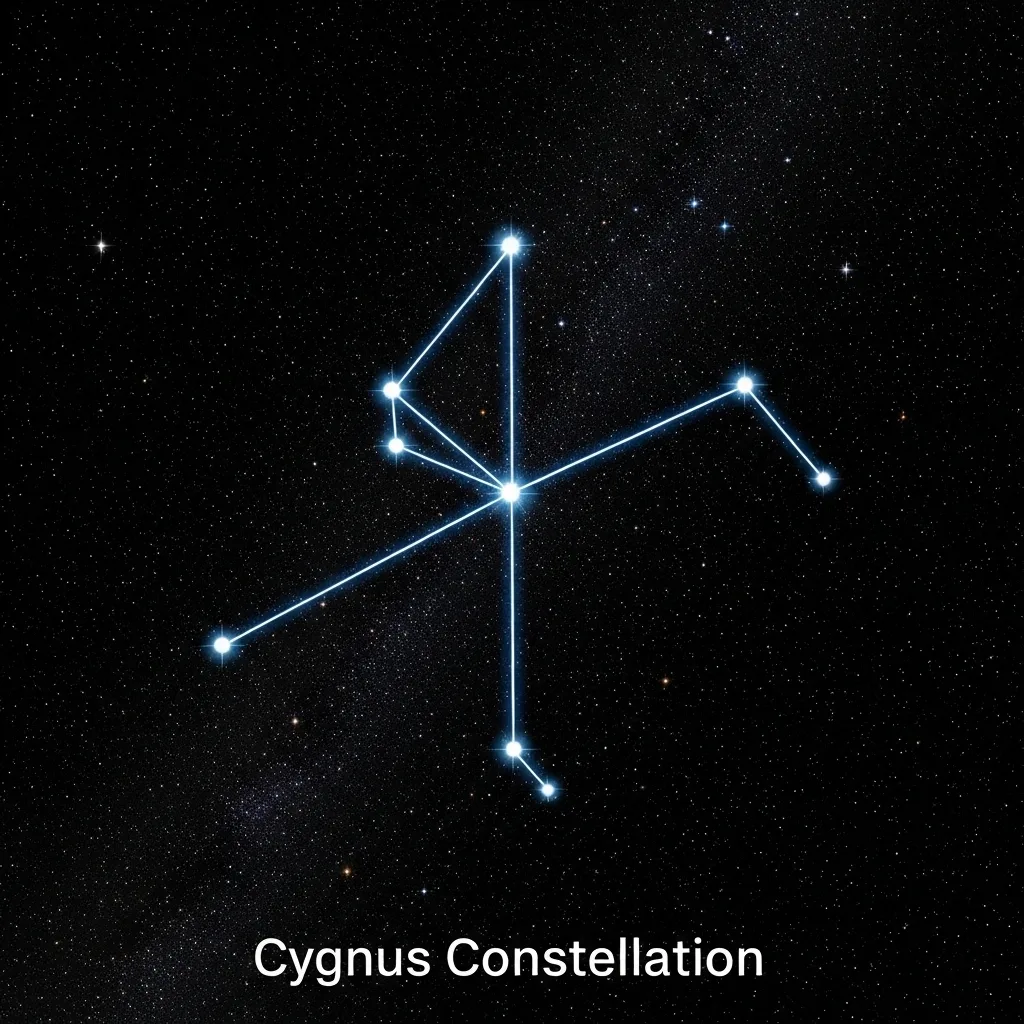
7. Cygnus (Cygnus)
The constellation Swan is associated with various myths of transformation. In one version, he represents a friend of Faethon who was transformed into a swan by the gods to mourn his loss.
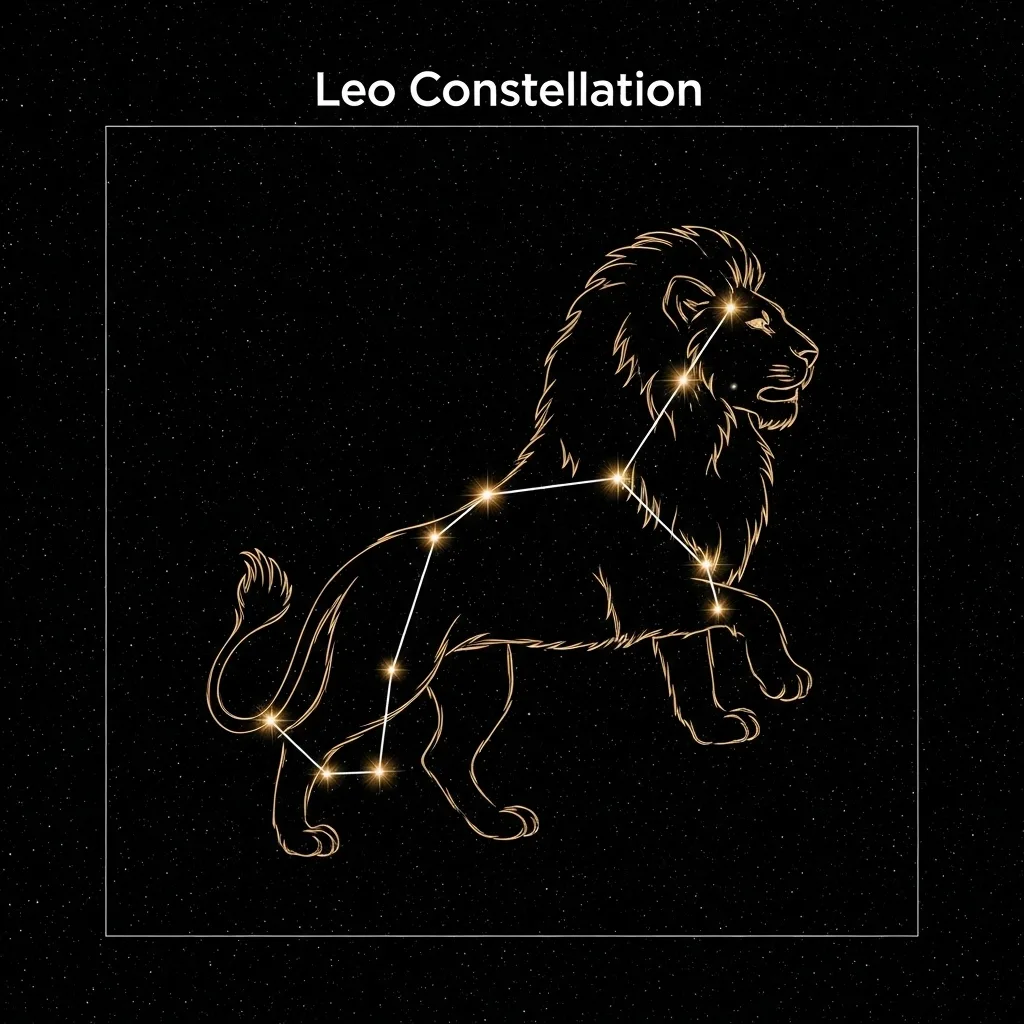
8. Nemea Leo (Leo)
Leo's constellation is related to his first feat HerculesWhere he killed the invincible lion of Nemea. The beast was placed in heaven as a reminder of its power.
The zodiac and Greek mythology
Many of the known zodiac constellations also have Greek mythological origins:
- Crius – Frixus' golden-haired ram
- Bull – Zeus transformed to kidnap Europe
- Twins – the Dioscuri
- Scorpion – the creature that killed Orion
These constellations were used to determine the seasons and were of great importance in agriculture and navigation.